








Many brands confuse having an audience with building a community on social media. An audience simply watches you speak. A community speaks with you, interacts with fellow members, and advocates for your business when you are not in the room.
If your goal is sustainable brand growth, higher retention, and better conversion rates, you must diversify the types of social media content you publish. In this guide, I will walk you through 7 proven social media content formats that help you form a strong follower base.
Understanding the importance of a strong follower base
Key Takeaway: Reach and views introduce new people to your brand, while a strong follower base turns that initial attention into lasting customer relationships.
Building a strong follower base ensures that the attention you attract turns into long-term value. While reach measures how wide your audience is, your community measures how deeply those people connect with your brand.
When you pair broad reach with a loyal follower base, you unlock three major advantages for your brand:
- Higher customer retention: Engaged followers stick around longer, purchase repeatedly, and generate higher lifetime customer value.
- Organic word-of-mouth growth: Dedicated community members amplify your reach by sharing your content and recommending your business to peers.
- Direct audience feedback: Active followers provide real-time insights through comments and polls, helping you refine your products and content strategy.
Consumers state that relational, human-focused content is their top priority when following brands on social media. When brands fail to foster genuine two-way connection, over 70% of consumers acknowledge they will eventually purchase from a competitor who does.
7 Types of Social Media Content for Community Growth
Building a balanced social media feed requires a intentional mix of content. I categorize these seven formats into three core pillars of audience intent:
- Value Content: Educates your audience and establishes your authority.
- Connection Content: Fosters human empathy, trust, and shared identity.
- Action Content: Drives active participation, conversation, and user activity.
1. User-Generated Content (UGC) and Member Spotlights
User-Generated Content includes any image, video, testimonial, or post created by your customers or community members rather than your internal marketing team. Member spotlights take this a step further by actively celebrating specific followers who contribute value to your space.
How this content fosters your community
Publicly recognizing your audience shifts your brand from a corporate broadcast into a peer-driven community. Here is how featuring your followers builds lasting loyalty:
- Builds authentic trust: Prospective buyers trust peer experiences far more than polished corporate advertisements.
- Encourages active participation: Followers create and tag content in hopes of being featured on your official channels.
- Validates member identity: Highlighting real people makes your community members feel seen, valued, and appreciated.
Examples of UGC and member spotlight content
Implementing user content can take several practical forms depending on your primary social platforms:
- Customer photo & video re-shares: Reposting high-quality customer photos that show your product being used in real life.
- Community member spotlights: Publishing a dedicated spotlight post breaking down a member’s journey or creative projects.
- Customer testimonial graphics: Formatting reviews and feedback from existing users into clean visual posts to provide social proof.
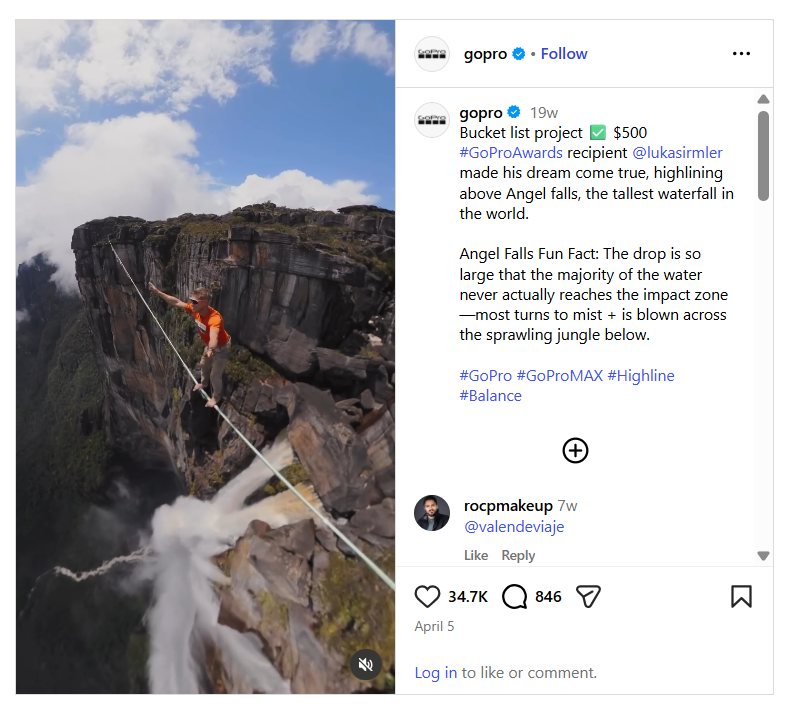
GoPro built a massive global community through their #GoProFeatured initiative. They select and publish user-submitted action clips daily across their official channels, showcasing real-life camera performance while giving creators massive exposure.
Read more: UGC TikTok: Definition, Examples & Best Tips
2. Educational and How-To Content
Educational content answers your target audience’s pressing questions and solves real problems for free. This format includes carousel posts, step-by-step infographics, downloadable templates, and short video tutorials.
When you teach your audience how to overcome a challenge, you position your brand as an indispensable advisor. The secret here is specificity. Do not post generic tips like “Eat healthy.” Instead, share “3 low-prep meal templates for busy founders.”
How this content fosters your community
Teaching your followers builds long-term authority and turns casual scrollers into reliant brand advocates. Here is how educational posts strengthen your audience bond:
- Positions your brand as a trusted resource: Users regularly return to your profile whenever they face a technical or strategic challenge.
- Drives high saves and shares: Valuable tutorials are regularly bookmarked and sent to peers, expanding your community organically.
- Reduces customer churn: Clear guides help existing customers get more immediate value out of your products or services.
Examples of educational and how-to content
You can format educational content into several easily digestible layouts across platforms:
- Multi-slide carousels: Step-by-step frameworks on LinkedIn or Instagram that walk through a specific process slide by slide.
- Checklists and cheat sheets: Single-image graphics summarizing complex workflows into simple actionable steps.
- Screen-recording walkthroughs: Demonstrating how to use a specific software feature or complete a task in real time.
For example, skincare brand Dieux Skin leverages Instagram carousels and TikTok videos to educate consumers on cosmetic chemistry. Instead of pushing hard sales copy, founder Charlotte Palermino breaks down skincare ingredient percentages, debunking common industry myths and teaching followers how active ingredients work in their daily routines.
3. Behind-the-Scenes (BTS) and Authentic Stories
Behind-the-scenes content pulls back the corporate curtain. It shows your team, your mistakes, your product development pipeline, and the daily reality of running your organization.
According to research, nearly 70% of consumers state that brand transparency directly influences their buying decisions and brand loyalty. Consumers today possess high skepticism toward polished corporate PR; silence is not really a smart option in today’s world.
How this content fosters your community
Showing the human side of your business breaks down artificial barriers and builds genuine emotional connection. It also:
- Humanizes your brand: People connect with real human beings rather than faceless corporate logos.
- Creates shared ownership: Involving your audience in product design or operational decisions makes them invested in your success.
- Builds long-term trust: Openly sharing mistakes or manufacturing processes demonstrates honesty and high integrity.
Examples of behind-the-scenes content
You can share behind-the-scenes moments through various narrative angles:
- Product development sneak peeks: Showing early prototypes, testing phases, or design sketches before an official launch.
- Day-in-the-life videos: Documenting a typical work routine of your founder, product designer, or customer support team.
- Unfiltered workplace culture posts: Sharing casual team photos, office milestones, or honest updates about company challenges.
For example, chocolate brand Midday Squares records unedited founder conversations, factory machinery breakdowns, and product formulation arguments, turning their day-to-day business operations into an entertaining story that followers actively follow.
4. Interactive Content (Polls, Surveys, and Quizzes)
Humorous, interactive content requires your audience to physically click, swipe, or vote to participate. Examples include native LinkedIn polls, Instagram Story question stickers, and interactive quizzes.
Most social media users are quiet scrollers, often referred to as “lurkers.” They rarely leave long comments, but they will tap a simple poll option if it requires minimal effort. Interactive content provides a low-barrier entry point for these passive followers to start engaging with your page.
How this content fosters your community
Giving your audience a quick way to participate converts passive scrollers into active community members. It also can:
- Lower the barrier to participation: Voting in a poll takes one second, making it easy for quiet followers to interact.
- Give your audience a voice: Polls allow followers to express their opinions and influence future brand decisions directly.
- Sparks peer discussions: Seeing poll results often prompts users to visit the comment section to explain their choices.
Examples of interactive content
You can incorporate interactive elements across almost all major social platforms:
- Opinion polls: Asking your audience to choose between two industry trends, design preferences, or product concepts.
- Knowledge quizzes: Testing your followers on industry trivia, common myths, or practical usage tips.
- Fill-in-the-blank text prompts: Publishing conversational statements that encourage followers to complete the thought in the comments.
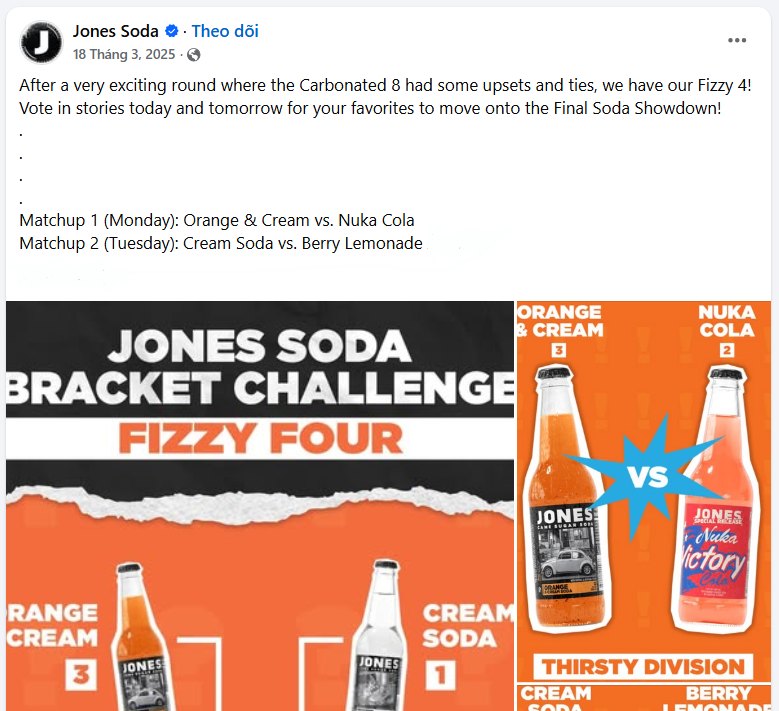
Craft beverage brand Jones Soda Co. uses Facebook to post native polls and label submission contests. They frequently ask their Facebook audience to vote on fan-submitted photos and seasonal flavor concepts, giving their community a direct vote in deciding which designs end up on store shelves.
5. Live Streams and Real-Time Video Q&As
Live video streams on platforms like YouTube, Instagram, or Twitch create unedited, immediate connections with your core supporters.
Unlike edited video, live streaming carries an element of unpredictability that feels spontaneous and real. When you host a live Q&A, you grant your audience direct access to your mind, leadership, or product team.
How this content fosters your community
Real-time interaction creates an intimate, event-like experience that edited content cannot match. Here is how live streaming strengthens community ties:
- Provides direct access to leadership: Followers feel valued when they can talk directly with founders, creators, or industry experts.
- Builds spontaneous connection: Unscripted moments feel genuine and build higher levels of personal trust.
- Fosters peer-to-peer relationships: Live chat rooms allow community members to talk with each other during the stream.
Examples of live streams and Q&A content
Live events can take several structural formats depending on your community goals:
- AMA (Ask Me Anything) sessions: Hosting open question periods around specific industry challenges or product launches.
- Live workshops or product walkthroughs: Teaching a practical skill live while answering chat questions in real time.
- Co-hosted expert panels: Partnering with industry peers to discuss current market trends in an interactive live stream.
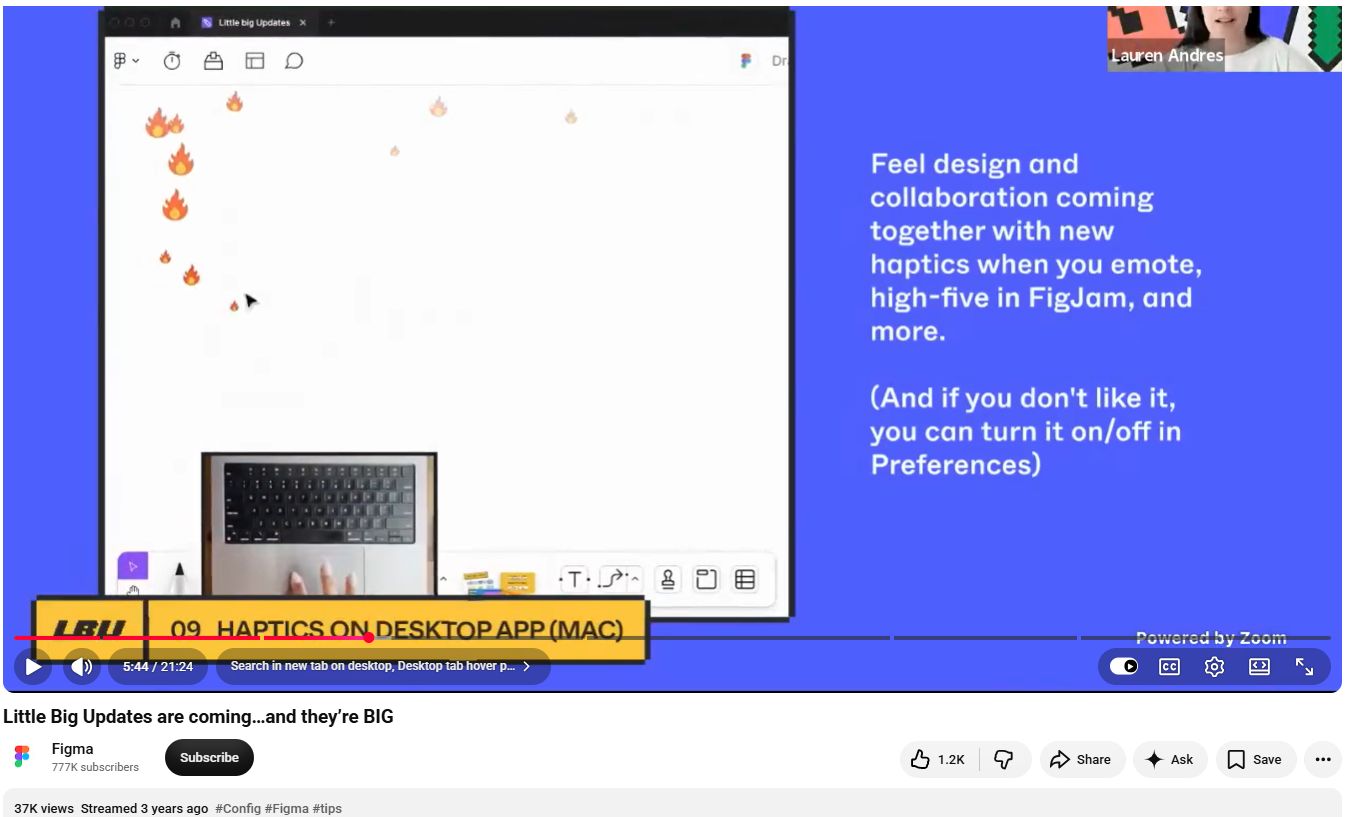
Figma hosts live YouTube streams featuring their product design team demonstrating new features in real time. They answer chat questions live on screen, giving community members direct access to the team building the product.
6. Short-Form Video and Micro-Content
Short-form video formats like Instagram Reels, TikTok, and YouTube Shorts dominate modern digital consumption. However, many marketers misuse short video purely for viral stunts that bring in empty traffic.
How this content fosters your community
Short-form video captures immediate attention while creating relatable moments that prompt comments. Here is how micro-content supports community growth:
- Captures short attention spans: Videos with an ideal length to convey messages quickly without overwhelming your followers
- Increases emotional relatability: Using audio trends or humor creates shared inside jokes within your community space.
- Drives lively comment sections: Ending short videos with open questions encourages viewers to share their personal stories.
Examples of short-form video content
You can structure short videos to balance entertainment with community conversation:
- Relatable industry humor: Highlighting common, everyday struggles that your ideal customer experiences regularly.
- Quick tip videos: Delivering one actionable piece of advice paired with a conversational closing caption.
- Transformation breakdowns: Showing quick before-and-after clips of a project, design, or customer result.
Language-learning platform Duolingo leverages TikTok and Instagram Reels to publish humorous, 15-to-30-second vertical videos featuring their mascot, Duo the Owl. By hopping on trending audio trends and playfully teasing users about maintaining their daily lesson streaks, they consistently spark viral conversations.
7. Thought Leadership and Industry Analysis
Thought leadership content shares original insights, expert predictions, and strong perspectives regarding your industry’s future. It goes beyond re-sharing news; it interprets what that news actually means for your community.
Every industry experiences changes, market shifts, and debate. When you publish well-researched commentary on these shifts, you give your community a shared intellectual ground to debate and refine their own thinking.
How this content fosters your community
Sharing authoritative insights sparks intellectual discussion and brings high-caliber professionals together. Here is how thought leadership elevates your community space:
- Establishes market authority: High-level analysis proves your team understands where the industry is heading long term.
- Attracts high-value members: Intellectual posts attract serious industry practitioners who want meaningful discussions.
- Encourages constructive debate: Challenging common industry myths prompts community members to share their perspectives in the replies.
Examples of thought leadership content
You can publish thought leadership using several analytical formats:
- Proprietary data charts: Sharing internal survey results or benchmarks accompanied by an expert summary.
- Trend breakdown essays: Analyzing recent news or regulatory changes and explaining what it means for your peers.
- Counter-intuitive perspective posts: Challenging common market myths with well-reasoned arguments that spark debate.
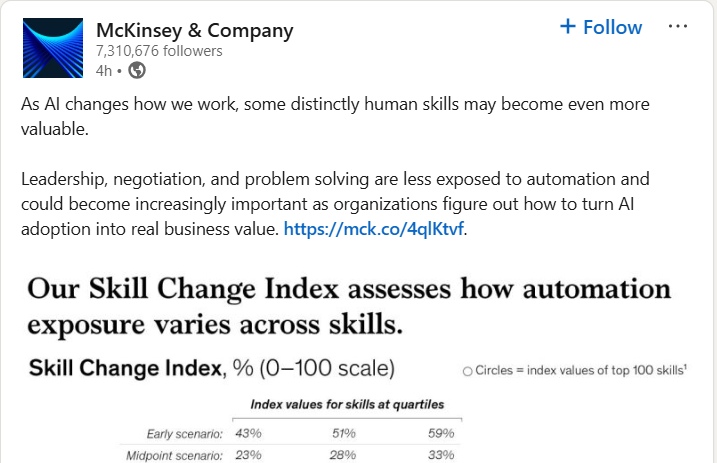
McKinsey & Company posts proprietary visual data graphics on LinkedIn paired with sharp executive summaries. Their analytical content prompts senior professionals to engage in constructive debate in the replies.
How to choose the right types of content for your brand
Choosing which of these seven content formats to prioritize does not mean you have to execute all of them at once.
When deciding which content types best fit your brand strategy, focus on three core considerations:
- Your target audience: Evaluate where your ideal customers spend their time and how they prefer to digest information. Busy professionals on LinkedIn may gravitate toward educational carousels or thought leadership, whereas younger audiences on TikTok often engage more with raw, authentic short-form videos.
- Your existing content pillars: Map new formats directly to the content pillars you already cover well. If your brand built its initial footprint on deep industry analysis, introduce interactive polls or live Q&As to expand those established topics rather than creating entirely new themes from scratch.
- Brand image and community impact: Select formats that reinforce your desired brand perception and strengthen member relationships. Choose content types that reflect your core values, empower your followers to participate, and build the specific type of supportive community culture you want to cultivate.
FAQs about Types of content on social media
General reach content relies on broad topics, trending audio, or hooks designed to capture quick views from anyone across the internet. Community-building content focuses on niche topics, shared experiences, direct conversation, and actionable value designed specifically for your ideal target audience. Reach content introduces people to your brand; community content turns them into long-term buyers.
Review your content performance monthly and audit your entire visual style every six months. You do not need to reinvent your brand identity constantly. Simply rotate the sub-topics you cover based on audience feedback, recent industry changes, and poll results.
The single biggest trap is showing instead of opening conversations. Brands often post content, close the app, and ignore their comment section entirely. Community building happens in the replies. If someone takes 60 seconds to leave a thoughtful comment on your post, reply with a meaningful question to keep the conversation going. Another major trap is pitching products too frequently, which quickly drives followers away.




 TikTok Advertising