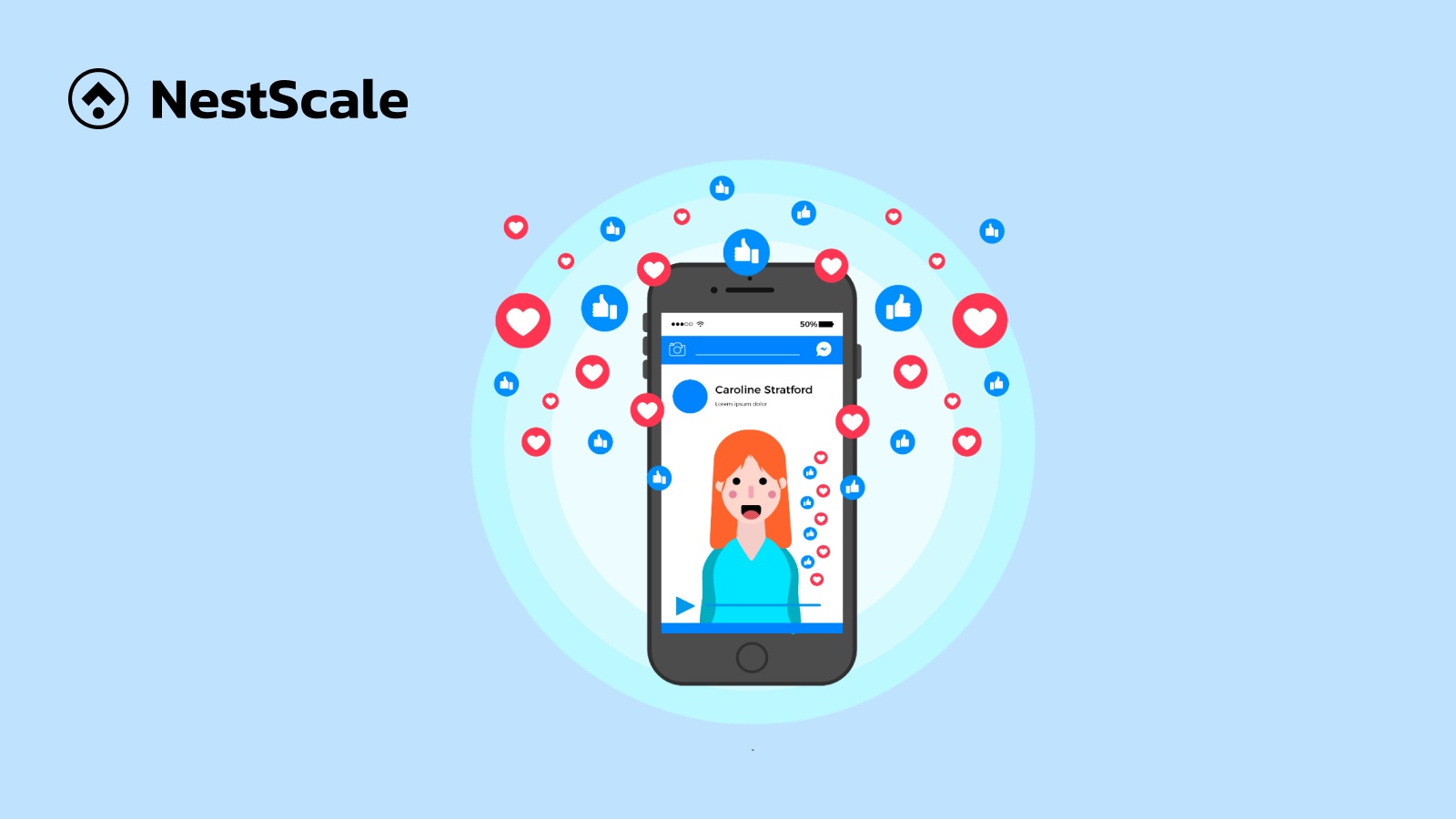








A strong social media conversion rate means turning casual video viewers and post likers into actual customers, subscribers, or leads. Engagement is great for building brand awareness, but converting that audience is what directly supports your business goals.
If you want to move beyond views and start generating consistent sales from your social channels, focusing on conversion optimization is essential.
This guide breaks down current platform benchmarks, common mistakes to avoid, and practical strategies you can use right away.
2026 conversion rate benchmarks by platform
Before adjusting your strategy, it helps to know what normal conversion numbers look like across different platforms. A conversion rate measures the percentage of visitors who complete a target action, like buying a product or signing up for a newsletter, after clicking your content.
According to industry data from Sprout Social, average organic web conversions from social traffic generally fall between 1% and 3%. Here is how major channels tend to perform:
- Instagram: Website conversions usually range from 1% to 1.5%. Adding product tags to Reels and stories helps increase direct clicks to product pages.
- TikTok: Standard bio links and external website traffic typically convert at 0.5% to 1.5%. However, using TikTok Shop can raise conversion rates closer to 3% or 4% because users buy directly inside the app.
- LinkedIn: For B2B services, consulting, and lead generation forms, LinkedIn averages conversion rates between 1.5% and 2.5%.
- YouTube: Direct product links in video descriptions and pinned comments usually convert between 1.2% and 2%.
Here is a quick overview of performance benchmarks across 3 major social channels:
| Platform | Placement | Average conversion rate |
|---|---|---|
| External bio link & story clicks | 1.0% to 1.5% | |
| Product tags in Reels | 1.5% to 2.5% | |
| TikTok | Native TikTok Shop checkout | 3.0% to 4.0%+ |
| External bio link & websites | 0.5% to 1.5% | |
| External bio link & websites | 1.0% to 2.0% | |
| Native lead gen ads & forms | 7.0% to 9.0% |
Checking your metrics against these benchmarks gives you a realistic starting point. If your conversion rate is around 1.5%, your content is performing within normal standards. If it is under 0.5%, you may have friction in your funnel that needs attention.
3 common reasons why your social media conversion rate is low
When followers enjoy your content but hesitate to purchase, the cause is usually rooted in the experience after they decide to click. Addressing a few common issues can quickly clear the path for your audience.
Too many steps in the buying path
Every extra click or slow page load gives potential buyers a reason to drop off. If your audience has to click through multiple links, close pop-up boxes, or re-type personal details on a site that is hard to view on a phone, many will lose patience and leave. Keeping the process fast and direct protects your conversions.
Lack of real customer proof
Modern buyers rely heavily on customer reviews, video unboxings, and practical demonstrations before making a purchase. If your profile only features staged product photos or sales announcements, visitors might feel uncertain about product quality or reliability. Sharing genuine customer experiences builds the trust people need to buy.
A vague call-to-action
When a post ends without clear direction, viewers usually keep scrolling. Asking people to “check out the link” or “let us know what you think” is often too broad. Giving your audience a specific CTA tells them exactly what to do next and what benefits to expect.
7 core strategies to increase your social media conversion rate
Improving your conversion rate is all about making the transition from viewer to buyer as smooth and intuitive as possible. Here are five practical strategies to consider for your social channels.
#1. Optimize your social profiles to make taking action easy
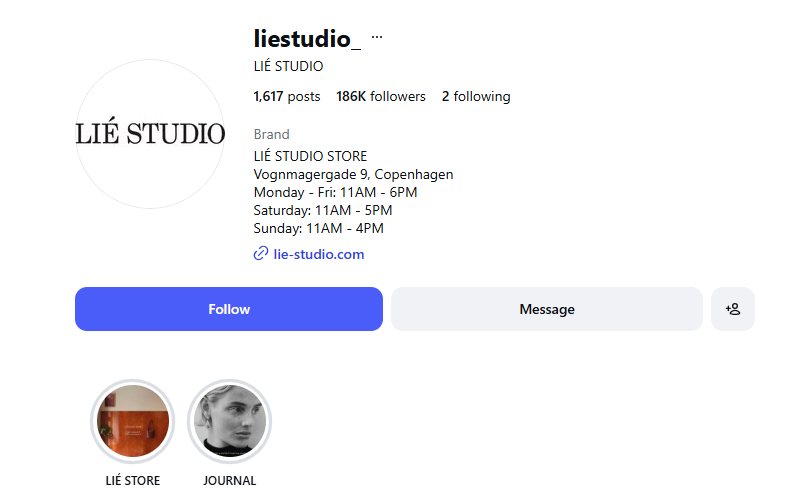
Your profile bio functions as a landing page for new visitors. When someone visits your profile after watching a popular post, they should understand what you offer within a few seconds.
Ask yourself questions like:
- Does my bio clearly state what problem my business solves?
- Is there a clear link guiding visitors to my main offer?
- Am I making it easy for people to contact me directly?
Keeping your profile clear and simple reduces hesitation. When you limit your bio to one main destination link, your visitors can make a quick decision without feeling overwhelmed by too many choices.
#2. Create authentic content that aligns with customer needs
Authentic, relatable content tends to convert much better than overly polished ads. Viewers often respond best to casual product walkthroughs, customer feedback, and short videos that address specific daily questions.
Authentic creator videos and user-generated content (UGC) often see significantly higher click-through rates than traditional brand graphics.
When planning your content, focus on these simple goals:
- Show your product or service being used in real situations.
- Share actual feedback, unboxings, or results from existing customers.
- Behind-the-scenes content to show the real people behind the product.
Showing real people getting real outcomes helps your audience picture themselves achieving those same results.
(Example by Comfrt on TikTok)
#3. Enable native shopping and direct checkout
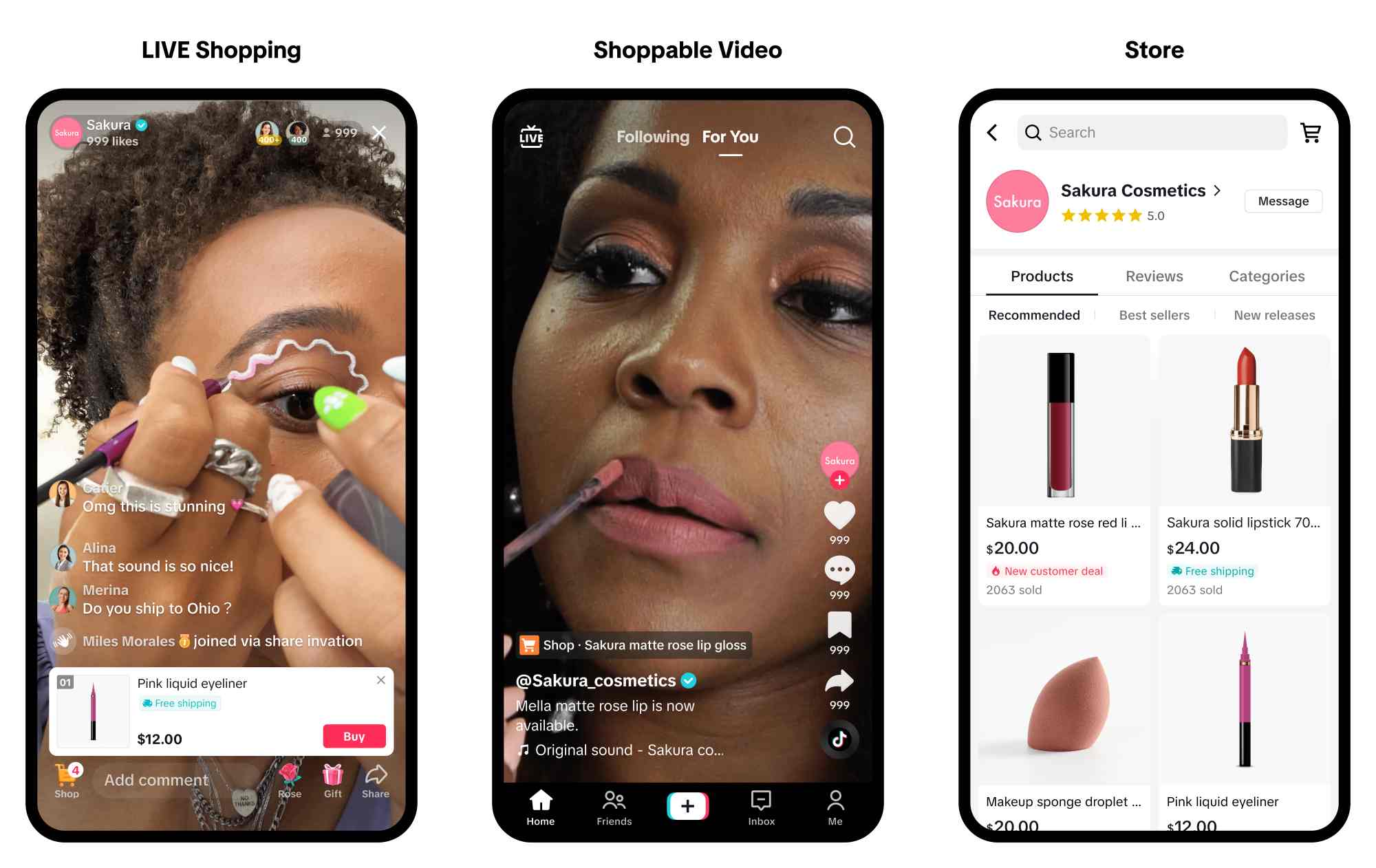
In-app buying features allow your audience to purchase items without ever leaving the social platform.
Tools like Instagram Shopping and TikTok Shop securely save user payment details. This allows customers to tap a product tag on a video and check out in just a few seconds.
Why is this so effective?
Every time you redirect a user to an external website, you risk losing them to slow page loading times or extra form fields. Native checkout removes those steps completely, making impulse purchases much easier for your audience.
#4. Structure content around problem-solution
Focusing your content on a specific problem before introducing your offer helps attract viewers who actually need what you sell. While this approach works across text posts and images, short-form video is particularly effective for direct conversions.
When creating problem-solution content, keep these simple points in mind:
- Identify one specific frustration your audience deals with regularly.
- Show how your product or service solves that exact issue in a practical (or even funny) way.
- Give a clear, low-pressure next step for viewers who want that solution.
When you lead with the problem, you quickly grab the attention of high-intent buyers who are ready to take action. Many small businesses have gone viral on TikTok this way.
#5. Optimize SEO for social search
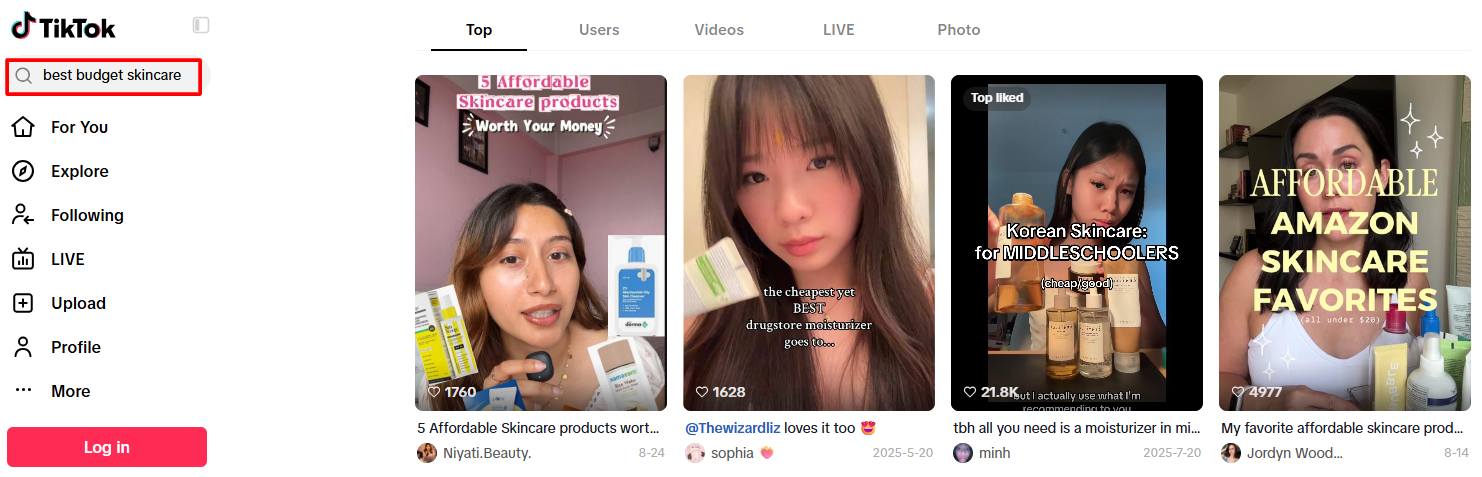
Social platforms like TikTok, Instagram, and YouTube are increasingly used as search engines to find products. Users actively search for terms like “best budget skincare for dry skin” or “how to set up an email list.”
You can capture this high-converting search traffic by optimizing your content for search intent:
- Research search keywords: Type relevant terms into the platform search bar to see what your audience is actively looking for.
- Use clear on-screen text: Include spoken keywords and clear on-screen text overlays matching those exact search phrases.
- Write descriptive captions: Replace random hashtags with simple, descriptive captions that explain the video topic clearly to the platform’s algorithm.
People who discover your content through active searching already have high buying intent. Creating content that answers specific search queries brings in viewers who are much closer to making a purchase decision.
Learn more: TikTok SEO: Strategies and Tools to Boost Ranks & Reach
#6. Use automated direct messaging for fast replies
When a viewer asks a question in your comments, their interest in your offer is high. Responding quickly helps keep that conversation active while the viewer is still thinking about your product.
Direct message automation tools allow you to send links or answer questions automatically when users comment with a specific keyword. For example, asking viewers to comment “INFO” to receive a direct link to a resource delivers immediate value to the user while keeping your comment section active and engaging.
You can compile a list of FAQs and include them in your DM automation.
#7. Build simple mobile landing pages for social traffic
Most social media users browse on mobile devices. If your content directs traffic to an external site, that page must load fast and display clearly on mobile screens.
Here are some tips for you to improve low-converting product pages:
- Keep headlines short and aligned with the post that brought them there.
- Place important action buttons near the top of the page.
- Offer simple checkout options like digital wallets to streamline the purchase process.
Tools to track and analyze social media performance
Tracking your results helps you understand which posts generate actual revenue and which ones only bring traffic. Connecting a few reliable tools gives you clear insight into your audience’s behavior.
- Google Analytics 4 (GA4): Use the free Google Campaign URL Builder to add custom UTM tracking parameters to track conversion rate on GA4.
- Meta Business Suite & TikTok Analytics: These free native analytics dashboards show you drop-off points in your video content. By checking your retention curves, you can see the exact second viewers stop watching your videos, helping you adjust your opening hooks and call-to-action placement.
- ManyChat: If you use comment-to-DM automation, ManyChat provides simple dashboard reports showing how many people commented on your post, opened your automated message, and clicked the link inside the chat.
- NestAds: For ecommerce stores running multi-channel marketing, these first-party data tools help solve attribution gaps. They help you track the customer journey across social media before making a final purchase on your site.
FAQs
High views and likes mean your content is entertaining or helpful, but low sales indicate that viewers might not see a clear connection to a product offer. Try adding explicit calls to action, sharing customer testimonials, or creating content that directly explains the value of your offer.
Minor fixes, such as updating a broken link, clarifying your bio, or simplifying a landing page, can improve conversion metrics quickly. For broader changes, like testing new video formats or messaging automation, running consistent tests over three to four weeks usually provides enough data to measure progress.
Yes, organic social media can consistently generate sales and leads. While paid ads help expand reach to new audiences faster, organic posts build trust and relationships over time. Pairing helpful organic content with simple checkout options and clear messaging creates a steady conversion path without requiring ad spend.
👉 Related:
7 Types of Content for Social Media to Build a Strong Community
12 Tips to Create Social Media Posts Faster Without Losing Quality