







 Ecommerce News
For any online store owner, the “Add to Cart” button is the first major milestone in a customer’s journey. It represents the moment a casual browser becomes a potential buyer.
However, many merchants struggle with high traffic but low add-to-cart rate. If your visitors are looking but not clicking that button, you have a conversion problem.
In this guide, we will break down exactly why this metric matters and how to increase add to cart rate.
1. What is Add to Cart rate?
The add to cart rate is the percentage of visitors who add at least one item to their shopping cart during their shopping journey. This metric is a vital health check for your product pages and your overall website performance.
To calculate your number, use this simple formula:
Add to Cart Rate = (Sessions with an “Add to Cart” action / Total Sessions) x 100
According to industry benchmarks, the average add to cart rate across e-commerce is approximately 4.8%. If you are below 2%, there is likely a significant issue with your user experience or product presentation.
2. Why Add to Cart rate matters
This metric matters because:
- Identify friction: It acts as a diagnostic tool that reveals whether your barriers to sale are occurring on the product page (low add to cart rate) or during the checkout process (high add to cart rate but low sales).
- Lower customer acquisition cost: By improving the conversion potential of your existing traffic, you can increase sales without spending more on ads.
- Optimize product pages: It provides a direct score on how well your product images, descriptions, and pricing are resonating with your audience.
Increasing this rate by just 1% can lead to a massive boost in monthly revenue without requiring any additional spending on marketing campaigns.
3. Top 10 Proven Ways to Boost Add to Cart Conversion Rate
Improving this rate requires a mix of psychological triggers, technical performance, and clear communication. Here are ten ways to make that “Add to Cart” button irresistible.
3.1. Optimize product images for clarity
Your customers cannot touch, feel, or try on your products. Therefore, your images must do all the heavy lifting. High-resolution photography is no longer optional; it is a requirement for trust.
When a user can zoom in to see the texture of a fabric or the stitching on a leather bag, their perceived risk drops. You should also provide images from every angle. Research suggests that 360-degree product views can significantly increase engagement because they simulate the physical experience of holding a product.
3.2. Write benefit-driven product descriptions
Many merchants make the mistake of simply listing technical specifications. While specs are important, benefits are what sell. Instead of saying a jacket is “waterproof,” explain that it “keeps you dry and warm even in heavy autumn rain.”
Focus on the “why” rather than the “what.” A helpful product description should answer the questions a customer is thinking but hasn’t asked yet. Use clear, simple language that speaks directly to your target audience.
Pro-Tip: Use short paragraphs and bold text for key benefits to make the description easy to scan for mobile users.
3.3. Improve the “Add to Cart” button visibility
If a customer has to search for the “Add to Cart” button, you have already lost the sale. The button should be the most prominent element on the page. Use a color that contrasts sharply with the rest of your site’s palette. If your site is mostly blue and white, a bright orange or green button will stand out immediately.
Placement is also critical. The button must be “above the fold,” meaning it should be visible without the user having to scroll down. On mobile devices, consider using a “sticky” button that stays at the bottom of the screen as the user scrolls.
3.4. Add FAQs sections
Often, a customer hesitates to click the button because they have a specific question. Will this fit my specific car model? Is this material machine washable? By adding a Frequently Asked Questions section directly on the product page, you remove these mental hurdles.
This section provides an opportunity to display expertise and build authority. When you provide the answer before the customer has to leave your site to search for it, you keep them in the buying mindset.
3.5. Leverage social proof and customer reviews
We often look to others to see if a decision is safe. This is why reviews are the backbone of e-commerce. Displaying a star rating near the product title can provide an immediate boost to your add to cart rate.
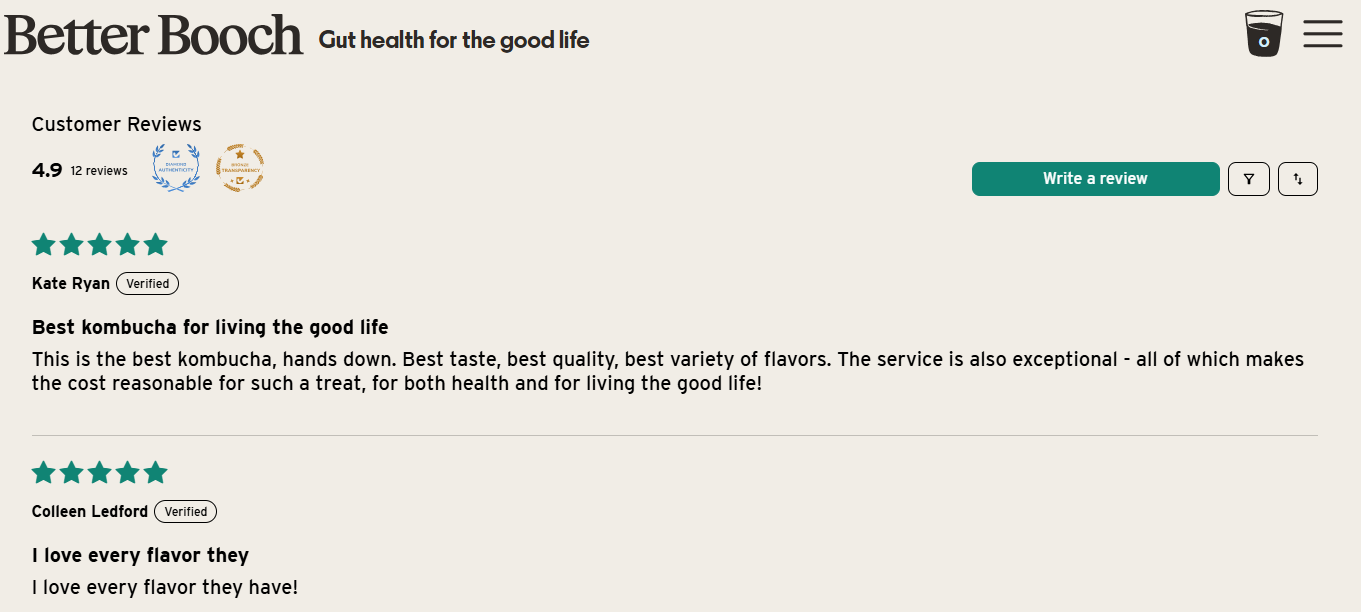
However, written reviews are only part of the equation. User-generated content, such as photos of real customers using the product, carries much more weight than professional studio shots. It proves that the product looks good in “real life.”
3.6. Offer multiple payment options
Payment friction is a major reason for abandonment. Modern shoppers expect flexibility. Beyond standard credit cards, you should offer digital wallets like Apple Pay or Google Pay, which allow for one-touch purchasing.
Additionally, for higher-priced items, offering “Buy Now, Pay Later” (BNPL) services like Affirm or Klarna can drastically increase add to cart rates. These services make a large purchase feel more manageable by breaking it into smaller installments.
3.7. Provide real-time support via AI chatbots
Sometimes a customer just needs a quick “yes” or “no” to move forward. AI chatbots can act as a 24/7 sales assistant that answers common questions about shipping, sizing, or stock levels. This alone can significantly reduces cart abandonment rate and captures more leads.
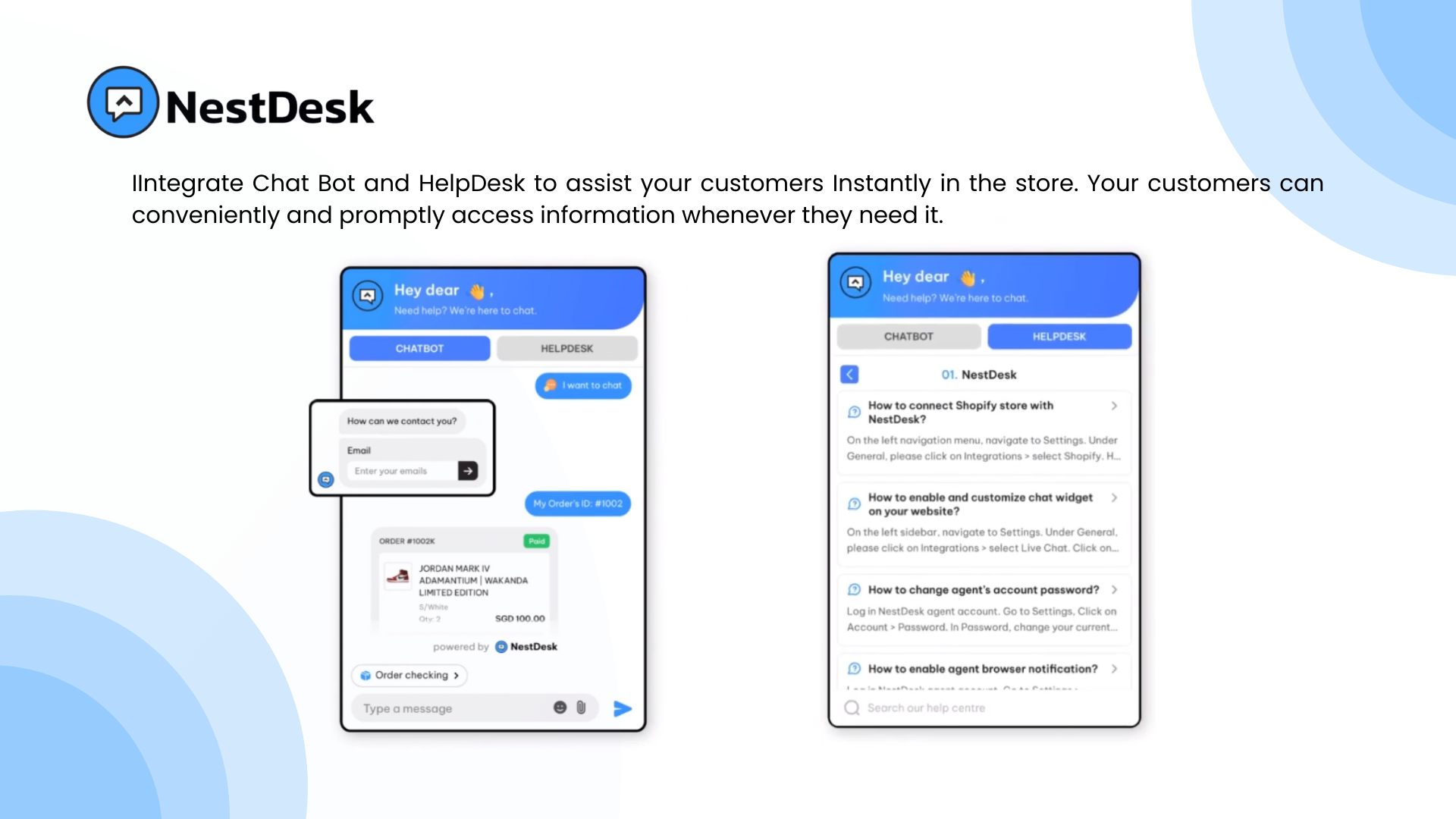
AI sales agents can also handle complex product-related questions and give personalized support. In industries such as fashion and beauty, an AI shopping assistant has proven to positively impact user experience and increase conversion rate.
Relevant reading: How to Add Live Chat To Your Shopify Store with 2 Simple Steps
3.8. Implement scarcity and urgency tactics
Urgency is a powerful psychological trigger that encourages people to act now rather than later. If a customer sees that only three items are left in stock, the fear of missing out (FOMO) kicks in.
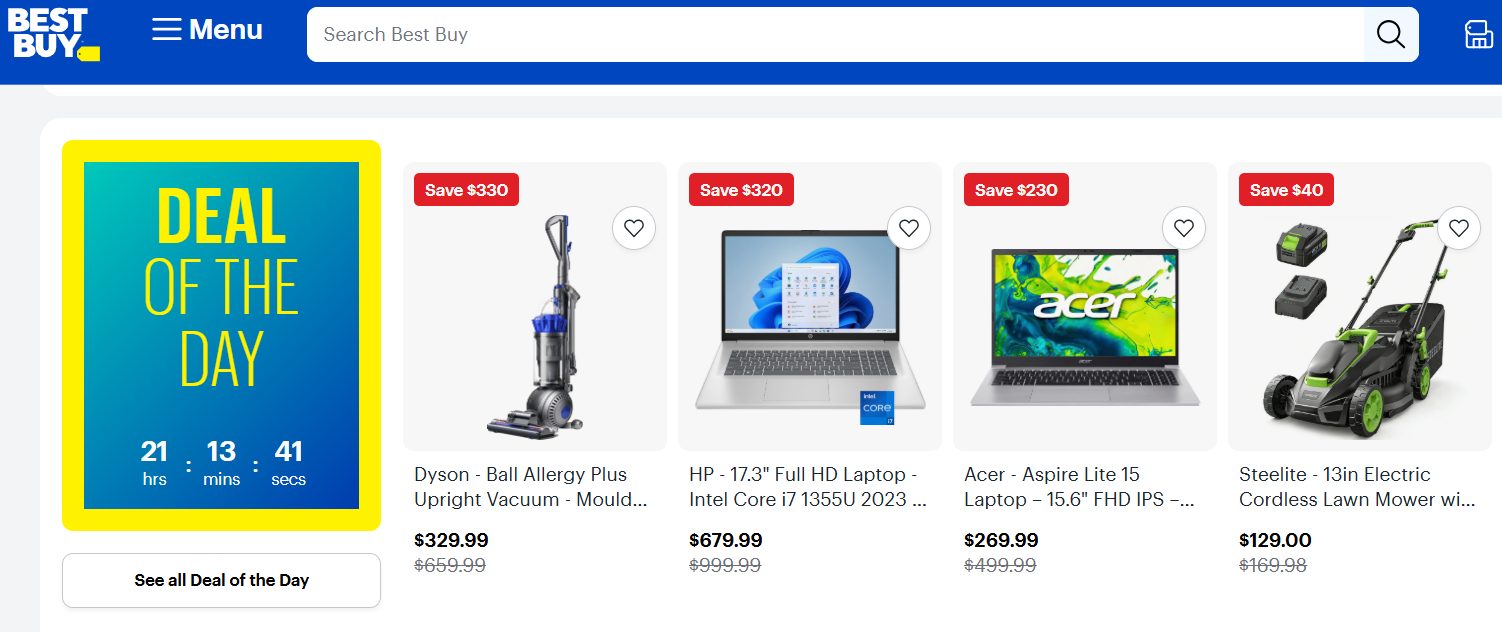
Note: Use urgency tactics in moderation. If every single product on your site is “about to sell out,” customers will realize it is a trick and lose trust in your website.
3.9. Enhance mobile shopping experience
The majority of e-commerce traffic now comes from mobile devices. If your mobile site is slow or difficult to navigate, your add to cart rate will suffer. You must ensure that images load quickly and that buttons are large enough to be easily tapped with a thumb.
Page speed is also a ranking factor for Google and a conversion factor for users. A delay of just one second in mobile load times can impact conversion rates by up to 20% according to studies hosted by Google.
Pro-Tip: Use a tool like Google’s PageSpeed Insights to identify specific mobile elements that are slowing down your product pages.
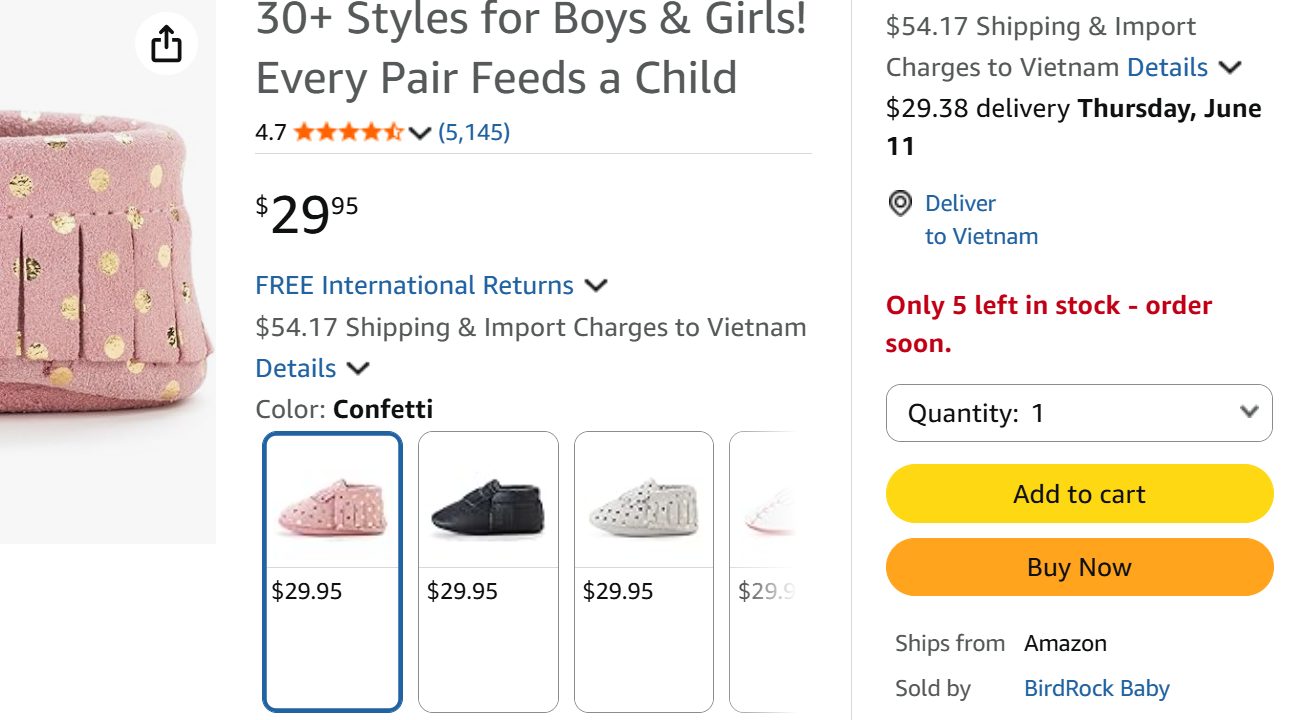
3.10. Be transparent about the final total cost
There is nothing a shopper hates more than getting to the end of a process only to find unexpected shipping fees or taxes. This “sticker shock” is a leading cause of cart abandonment, but it also prevents people from adding items to the cart if they suspect the final price will be much higher.
Be upfront. If you charges shipping fees and taxes, state it clearly at the top of the page (even if it is just an estimated number). Transparency builds the trust necessary to move the customer to the next step.
FAQs: Increase Add to Cart rate
Add to Cart (ATC) rate is the percentage of visitors who add at least one item to their cart.
A high ATC but low conversion rate usually indicates checkout friction: unexpected shipping costs, forced account creation, or limited payment options.
To improve your ATC rate:
– Optimize product descriptions and images.
– Ensure the Add to Cart button is prominent.
– Offer social proof like reviews to build immediate trust.
Increasing your add to cart rate is about creating a seamless, transparent, and trustworthy environment where the customer feels confident in their choice. You can learn more about eCommerce best practices and optimizing your online store with NestScale.




 Facebook Advertising