







 Ecommerce News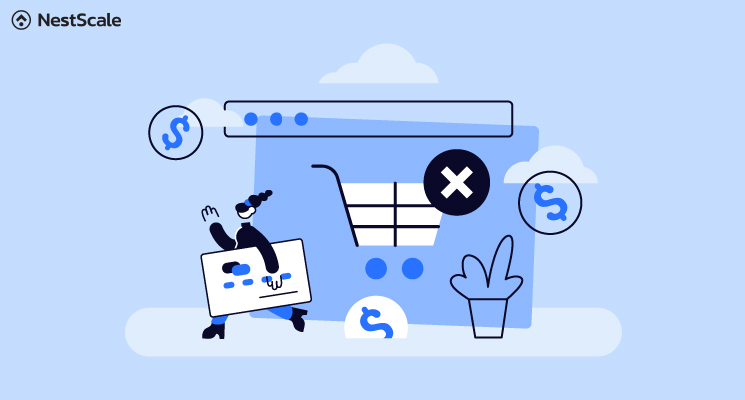
You have done the hard work of finding a product, building a brand, and paying for ads to get people to your store. However, most of that effort is wasted if shoppers leave at the final step.
If you are reading this, you likely know the frustration of seeing high traffic numbers that do not translate into revenue. This guide answers why customers are leaving and how to avoid shopping cart abandonment and close sales.
TL;DR: How to reduce shopping cart abandonment
Reduce cart abandonment is about removing friction and avoid surprises at checkout. These are 7 proven, practical ways to prevent customers from leaving with purchase:
- Using an AI sales agent
- Streamline checkout process
- Optimize website design and navigation
- Retargeting ads
- Send cart recovery emails
- Provide free shipping
- Implement exit-intent offers
1. What is shopping cart abandonment?
Cart abandonment occurs when a potential customer adds an item to their shopping cart but exits the website before completing the transaction. This is a common problem any online merchant will run into, as the nature of ecommerce allows visitors to pause their purchase for an indefinite time.
This phenomenon happens at various touchpoints:
- Leave immediately after “Add to Cart” button
- Leave during checkout
- Leave after checking other pages or products on the website
Distinguishing between these exit points is the first step toward understanding how to avoid shopping cart abandonment effectively.
2. Why do people leave before purchase?
To solve the problem, we must understand the “why.” While many merchants blame high shipping costs, cart abandonment is often rooted in deeper psychological friction.
2.1. Visitors do not trust your site
In an era of rising cyber threats, shoppers are hyper-aware of digital security. If your site looks outdated or does not display recognizable security badges, users will hesitate to enter their credit card details.
For smaller businesses that lack social proof, know that there are other ways to build trust with potential customers. Just by adding contact information, such as a phone number and a professional email, your site already looks much more trustworthy.
2.2. Window shoppers
Not every visitor is ready to buy today. Some use the cart as a “wishlist” or a way to compare prices across different tabs. These shoppers have high interest but low urgency.
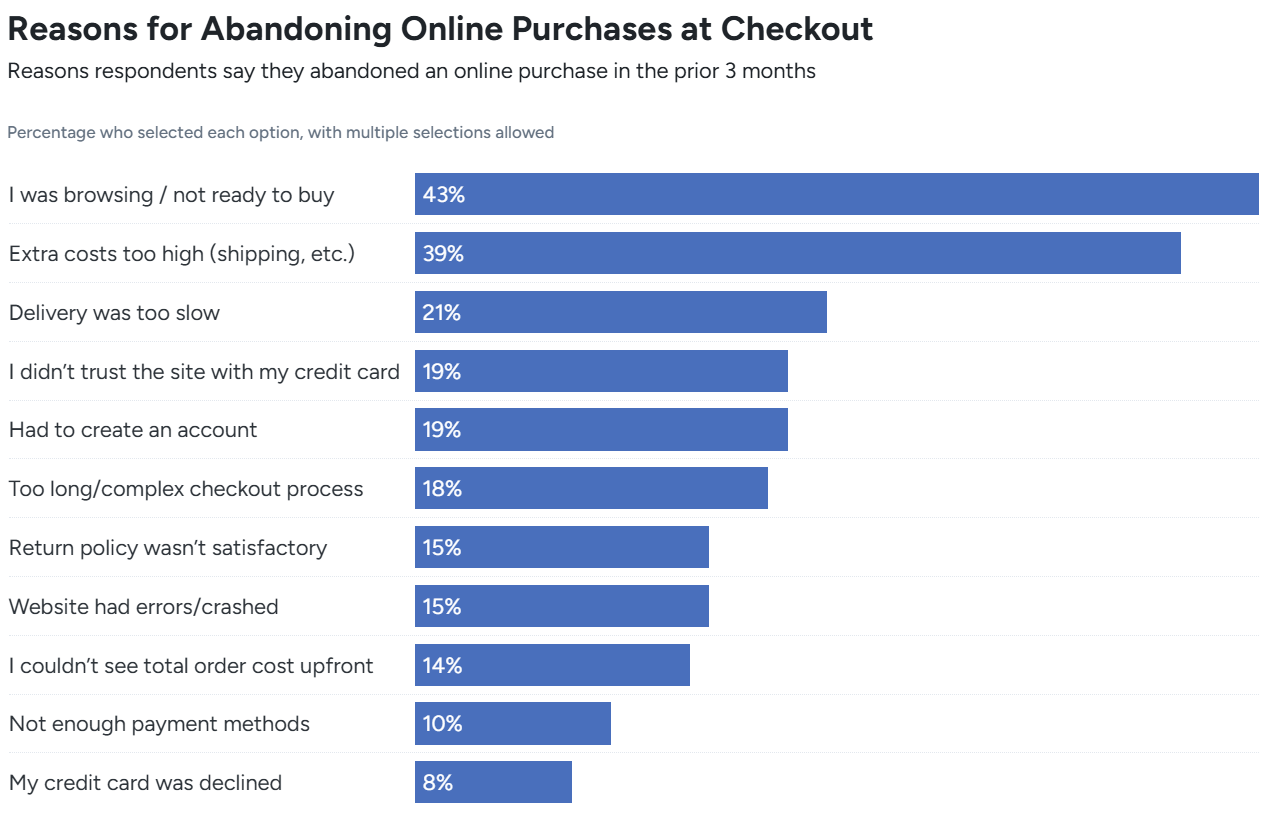
The goal here is not to force a sale, but to remain top-of-mind so they return when they are ready to commit. Use “Save for Later” buttons or “Wishlist” features so they can easily find their items when they are ready to buy. You can also use retargeting ads to gently remind them of the products they liked.
2.3. Unsure of product fit
This is the “Confidence Gap” when a shopper feels uncertain because they cannot physically interact with a product. For online stores, physical interaction is missing, creating a ‘gap’ between what the customer sees and what they believe they will receive.
This gap is most prominent in industries where fit, touch, or technical compatibility are vital, such as Apparel, Home Furniture, and Electronics. If a shopper isn’t 100% sure the item will work for them, they will abandon their cart rather than risk the time and effort of a future return.
2.4. Unresponsive customer support
According to research shared by HubSpot, approximately 90% of consumers rate an “immediate” response as important or very important when they have a customer service question. In this context, “immediate” is defined as 10 minutes or less. Human teams often struggle to meet this window.
The best way to deal with this issue is using a chatbot or AI agent. They are available 24/7, and can answer common questions about shipping and stock instantly. By simply providing instant clarity, you keep the momentum of the sale moving forward.
You may want to read: How to Add Live Chat To Your Shopify Store
2.5. No transparency on total costs before checkout
This happens when taxes or shipping fees are hidden until the final checkout screen. Users feel misled and discouraged when the price they saw on the product page significantly jumps at the last second.
This is unavoidable, as shipping fees and taxes can vary depending on the customer’s address. You can set early expectations by showing shipping estimates and taxes, ideally right on the product page or within the initial cart summary. When you are honest about the total cost from the start, you build the transparency needed to close the sale.
3. Practical ways to reduce cart abandonment
Now that you know the top reasons for shopping cart abandonment, it’s time to take some actions. Here are some effective fixes that you can implement right away to improve conversion rate:
3.1. Using an AI sales agent
The modern shopper expects immediacy. While traditional live chat requires a human team to be online, an AI agent will support your customers anytime they need.
By integrating an AI agent, you can handle repetitive queries about sizing, shipping or refund policies in real time and let customers know that they have an available tool to address their problems.
Beyond just answering questions, these agents act as proactive sales assistants that can recognize when a user is “on the fence.” By monitoring site behavior — such as how many times they view a specific item — the AI can offer a targeted recommendation for a complementary product or provide a quick clarification on shipping times that nudges the user to complete the transaction. This level of personalized interaction makes the shopping experience feel guided and supported rather than isolated.
Relevant reading: Best Shopify Live Chat Apps
3.2. Streamline the checkout process
If your system forces users to navigate through multiple pages, fill out endless forms, and review their order three different times, they will get frustrated and close the tab.
To fix this, keep your checkout form as short as possible. Only ask for necessary information required to process and ship the order. If you do not absolutely need a customer’s phone number or gender to mail their package, do not include those fields.
Another highly effective strategy is to use a single-page checkout or a visual progress bar. A progress bar shows the shopper exactly how many steps are left, such as “Shipping,” “Payment,” and “Confirm.” Managing their expectations this way reduces buying anxiety and keeps the momentum moving forward until the sale is closed.
Tips: Review your store’s checkout flow on a mobile device. Eliminate any non-essential form fields and ensure that buttons like “Continue to Shipping” are large, clear, and easy to press with a thumb.
3.3. Put more time into website design
A great website design is about more than just looking “pretty.” While a modern, clean look builds immediate trust, the functionality of the design is just as important.
Your site must be easy to navigate and include clear links to your shipping policies, return rules, and contact information. If you have a physical shop, including your address helps customers see you as a real, accountable business. When a site is organized and transparent, shoppers feel safe enough to complete their purchase.
If you use Shopify, there are many apps designed specifically for reducing cart abandonment. You should also choose fast and responsive Shopify themes, prioritizing user experience.
3.4. Retargeting ads
Sometimes, shoppers just need a quick reminder to complete their purchases. Retargeting ads allow you to show the specific products they were looking at on other websites or social media platforms. Think of this as a gentle visual reminder. By keeping your products in front of the customer as they browse the web, you increase the chances that they will click back to your store to finish what they started.
3.5. Send cart recovery emails
If a customer provides their email address but doesn’t finish the sale, don’t let the lead go cold. Send a series of friendly abandoned cart emails to remind them of the items in their cart.
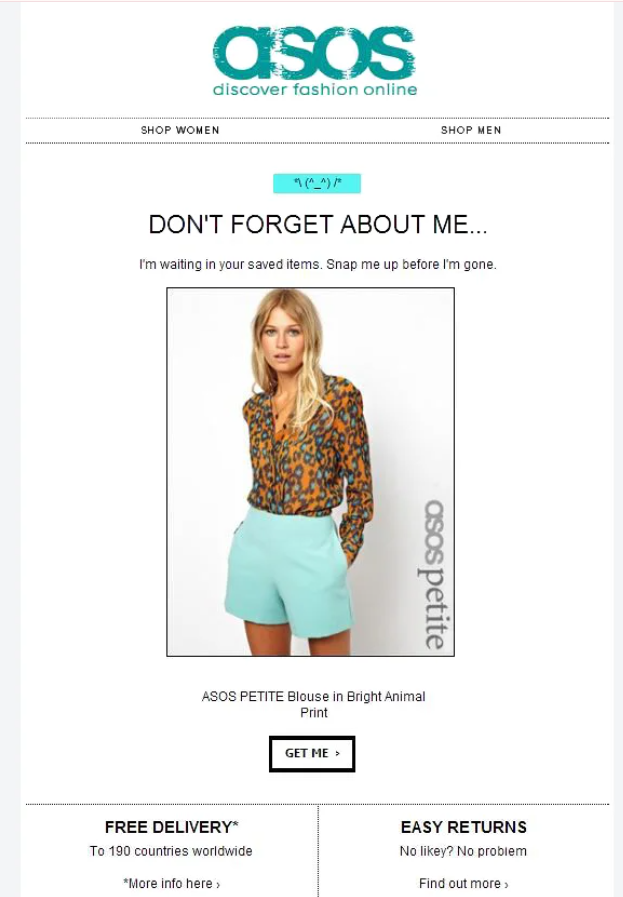
Start with a simple reminder an hour after they leave. If they still haven’t purchased a day later, you can send a second email. This direct line of communication is one of the most effective ways to recover lost revenue.
3.6. Provide free shipping
Since Amazon provides free shipping costs many years ago, it has become a competitive advantage for many businesses. When everyone offers free shipping, it’s actually a deal breaker if your store charges $10 to $15 shipping fees.
You can set the minimum purchase threshold to encourage customers to add more items to their carts. In fact, a UPS study conducted that 52% of American customers have added more items to their cart to get free shipping, so you can’t really escape this practice. Another tip is to add shipping cost directly into the product price, then offers free shipping.
3.7. Implementing exit-intent offers
The moment a customer moves their mouse to the close button, you can use a pop-up banner to re-engage. It is your “last chance” to keep them. Instead of letting them walk away, you can offer a small discount or free shipping if they complete their order right now.
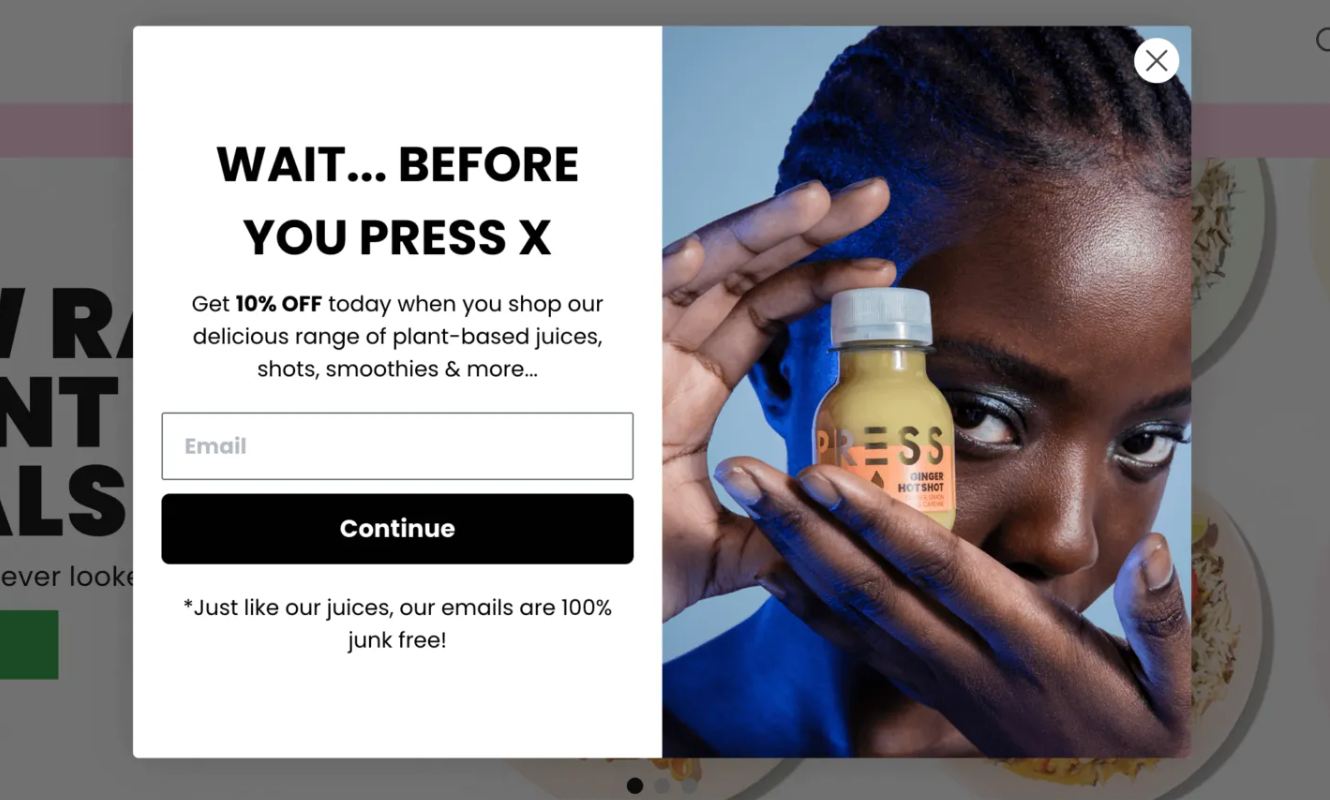
You can also just try to get an email, then move on to send a series of abandoned cart emails. This simple nudge gives the shopper a reason to stay and gives you a lead instead of completely empty-handed.
FAQs about Cart Abandonment
The average documented online shopping cart abandonment rate is approximately 70.19 percent, according to Baymard Institute.
Yes. Multiple studies suggest that shipping costs are the single most cited reason for abandonment. If you cannot offer free shipping, try to incorporate the cost into the product price to offer “Free Shipping” at the checkout.
Here are some practical strategies to prevent and recover abandoned cart:
– Use an AI agent
– Set up retargeting ads
– Send abandoned cart emails
– Offer free shipping
– Implement exit-intent offers
Using an AI-powered chatbot is the most effective way to engage with customers who are still browsing your website. You can also use triggered pop-ups to keep the customer engaged.




 Facebook Advertising