







Getting results with Facebook ads today is tough if you are relying on standard, corporate-style ads.
People simply do not trust branded ads the way they used to. They skip past polished product shots because they know they are being sold to.
But here is the good news: people still trust other people.
In short, people are more likely to trust the recommendations from their favorite content creators instead of a business account. That’s why influencer marketing is vital across all platforms, including Facebook.
To help you get the best possible return on your investment, I have put together 9 practical ways to run influencer marketing campaigns on Facebook. We will look at how each strategy works, real-world examples and how you can measure influencer marketing ROI with a Facebook ads analysis tool.
💡 Key Takeaways
- Consumers trust creator recommendations far more than corporate ads.
- Facebook’s algorithm prioritizes short-form video, meaning engaging Reels and live streams can reach massive new audiences organically.
- The most effective creative angles combine engagement with frictionless buying, particularly Partnership Ads (boosting creator posts via Ads Manager), Interactive Reels, and Facebook Shop Product Tagging.
- Micro-influencers and niche group leaders often deliver better ROI than macro-celebrities because their audiences exhibit higher trust and active interaction.
How Influencer Marketing on Facebook Works
The Basics
Facebook influencer marketing is essentially word-of-mouth advertising running on social media platforms.
The creator can share that content directly with their own followers, or grant you media permissions so you can make it an ad to a broader audience.
Think of it this way: if your brand posts an ad saying “our product is amazing,” shoppers naturally take it with a grain of salt. However, if a creator they have followed for months demonstrates that same product in a natural setting, the message feels far more like a friendly recommendation than a sales pitch.
There are some common types of influencer, measuring by audience size:
- Nano-influencers (<10,000 followers): High engagement and local trust; ideal for niche testing, hyper-local marketing, or UGC creation on tight budgets.
- Micro-influencers (<100,000 followers): Sweet spot for ROI; offers a strong balance of high engagement rates and meaningful reach for sales and product launches.
- Macro-influencers (>500,000 followers): High-profile personalities; ideal for broad brand awareness and large-scale campaigns.
- Mega / Celebrity influencers (>1,000,000 followers): Household names and digital stars; best for massive reach, global brand visibility, and driving major cultural moments.
What Changed on Facebook Recently
If you tried creator marketing on Facebook a few years ago, the feed works very differently now.
Facebook is no longer just a wall of updates from friends and pages you follow. Meta built the feed around an AI recommendation engine that heavily pushes short-form videos like Facebook Reels.
The algorithm actively tests engaging videos against broader interest groups. This means a strong creator video can reach thousands of potential buyers organically before you even spend a single dollar on ad amplification.
How to Plan Your Facebook Influencer Marketing Strategy
Find the Right Creator for Your Brand
Choosing a creator is like choosing a business partner. If your brand values and target demographics do not match up cleanly, the campaign will struggle to drive results.
Instead of focusing solely on vanity metrics like total follower counts, take a closer look at audience context and active engagement. You can use native management tools like the Meta Creator Marketplace to evaluate a creator’s audience location, age range, and historic content performance.
There many platforms that help you connect with the right influencer, such as Modash, Upfluence, and Influencity.
If you run a Shopify store, you don’t necessarily need to leave your dashboard to find and collaborate with creators. A variety of Shopify apps for Facebook ads connect directly to your store, letting you recruit creators, manage affiliate links, send product gifts, and track Facebook sales attribution seamlessly.
Match Your Offer to Your Audience
Even the most popular creator cannot sell an offer that feels misaligned with their audience’s expectations. For example, if a creator’s community relies on them for budget-friendly meal ideas, asking them to promote a high-end luxury kitchen tool may confuse their viewers.
Here are the key factors you should consider before choosing a partner:
- True engagement rate: Look beyond follower counts to ensure active, genuine comments rather than automated spam or ghost followers.
- Audience demographics: Verify that the creator’s follower location, age, and gender align with your actual target buyers.
- Branded content history: Check how their audience reacts to sponsored posts compared to organic content to avoid Facebook ad fatigue.
- Brand safety and values: Review past posts and tone to ensure their public image aligns naturally with your brand’s reputation.
- Content quality and reliability: Assess their ability to follow briefs, meet deadlines, and produce reusable assets for your marketing. Read reviews from previous bookings if possible.
Establish Clear Terms and Draft a Brief
Once you identify potential creators, set clear expectations before any content production begins.
Drafting a comprehensive creative brief ensures both parties align on goals, Facebook ad sizes and specs, and brand standards while minimizing back-and-forth edits later in the process.
While providing an outline is essential, avoid micromanaging the creative process. Creators know what resonates with their audience, so give them room to present your product in their natural voice.
Finally, you should secure content usage rights directly in your agreement. Specify how long you can use their assets and on which channels. This gives you high-converting Facebook ad creative to extend the ROI of the collaboration.
9 Creative Ways to Do Influencer Marketing on Facebook
1. Have Influencers Post Facebook Reels with Interactive Polls
Watching a video passively is fine, but getting a viewer to interact with the screen is much better for recall and engagement. When an influencer posts a Facebook Reel featuring an interactive poll sticker, it prompts the viewer to pause and tap an option.
In this scenario, the poll acts as a simple visual icebreaker. It gets the viewer involved in the conversation before the creator transitions into sharing your product message.
2. Co-Host Facebook Live Shopping Streams
Live video gives viewers an unedited, authentic look at how your product works in real time.
This format feels very similar to an interactive in-store demonstration. Because viewers can see the product from multiple angles and get immediate answers to their doubts, their confidence to buy increases significantly.
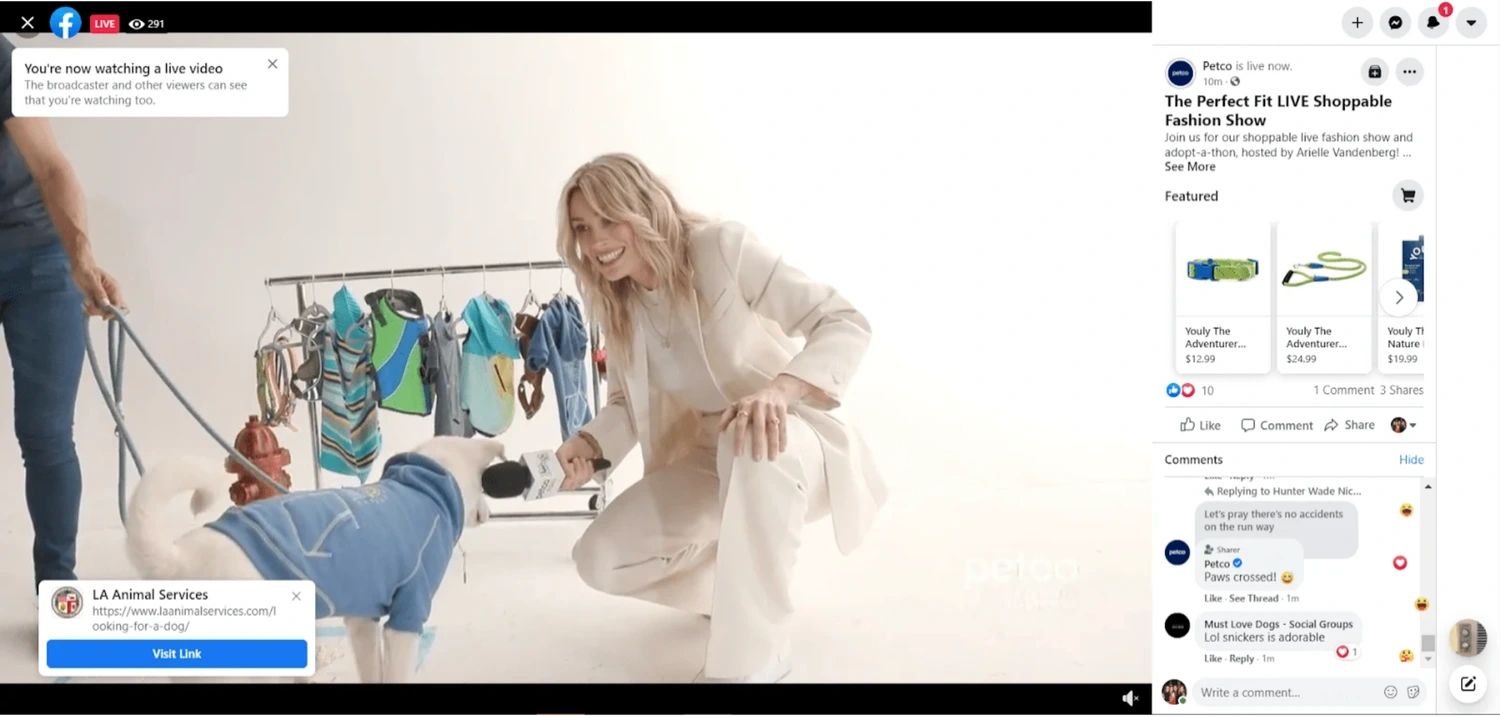
Take a look at how Petco handled this approach. They hosted a shoppable Facebook Live broadcast co-hosted by influencer Arielle Vandenberg. During the stream, rescue dogs walked out wearing various pet apparel items, and viewers could tap direct product links right inside the live interface to purchase those exact items.
3. Story Takeovers
A story takeover occurs when a creator produces exclusive, behind-the-scenes content directly for your brand’s Facebook Stories over a set period, such as 24 hours.
This strategy creates a pleasant sense of urgency for your existing followers while encouraging the creator’s audience to pop over to your Facebook page to check out the exclusive footage. Because the content lives on your brand page, you get a direct boost in page engagement.
4. Put Ad Spend Behind Creator Posts Using Partnership Ads
Partnership Ads allow you to run paid Facebook ads that display the creator’s handle at the top of the post, while using your own Facebook Ads Manager budget and targeting parameters behind the scenes.
In practice, this strategy combines the higher trust and click-through rates of creator content with the precise retargeting and audience segmentation tools of Ads Manager.
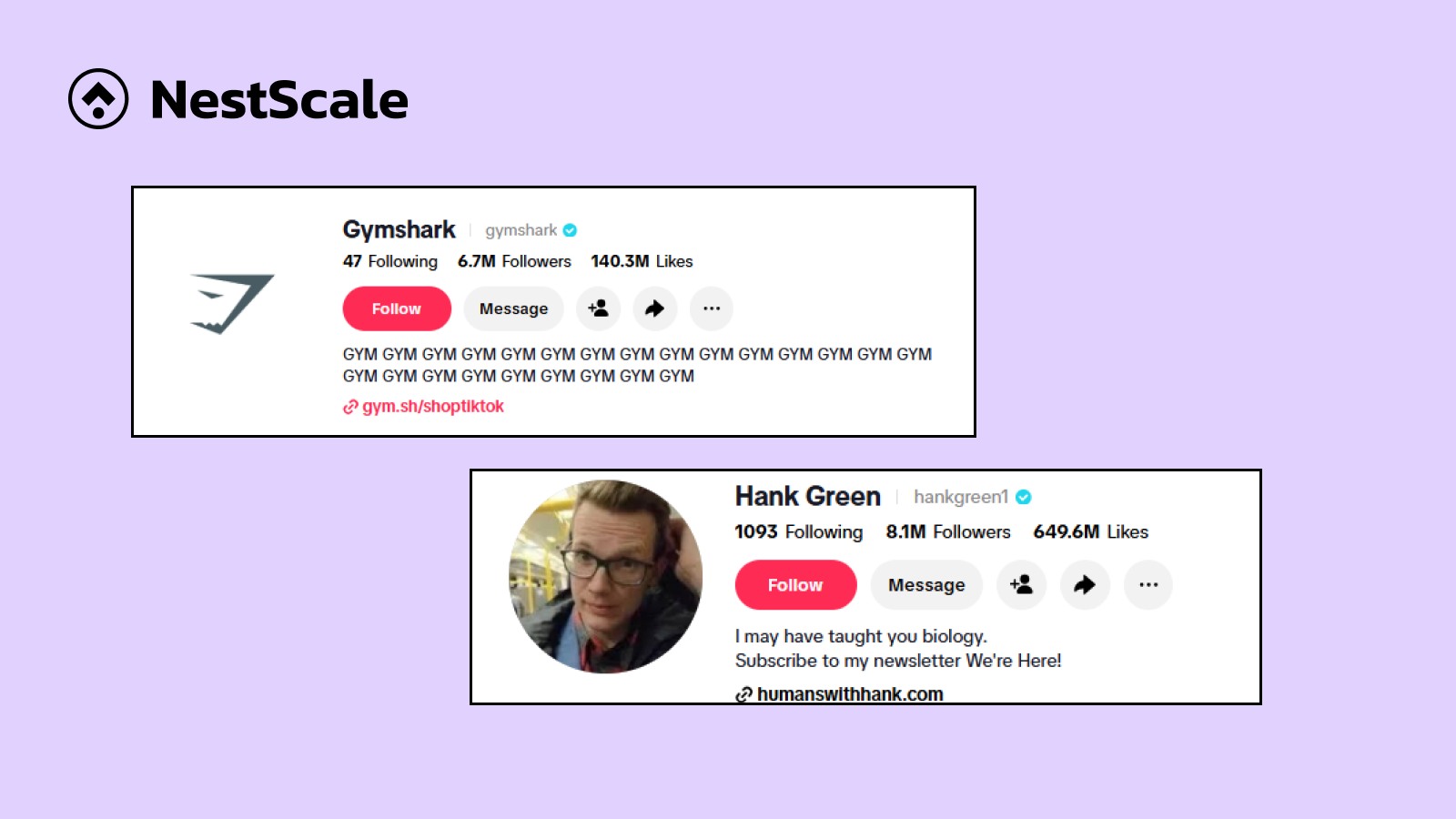
For instance, Gymshark relies heavily on Partnership Ads on Facebook. They take authentic workout clips filmed by fitness creators and run them as targeted ads to specific interest groups, driving high conversion rates at a lower cost per acquisition than standard brand ads.
5. Partner with Micro-Influencers in Niche Facebook Groups
Facebook Groups remain some of the most active communities on the internet today. When an active group member shares an honest review or a helpful tutorial showcasing your product, the rest of the group views it as a helpful suggestion from a peer.
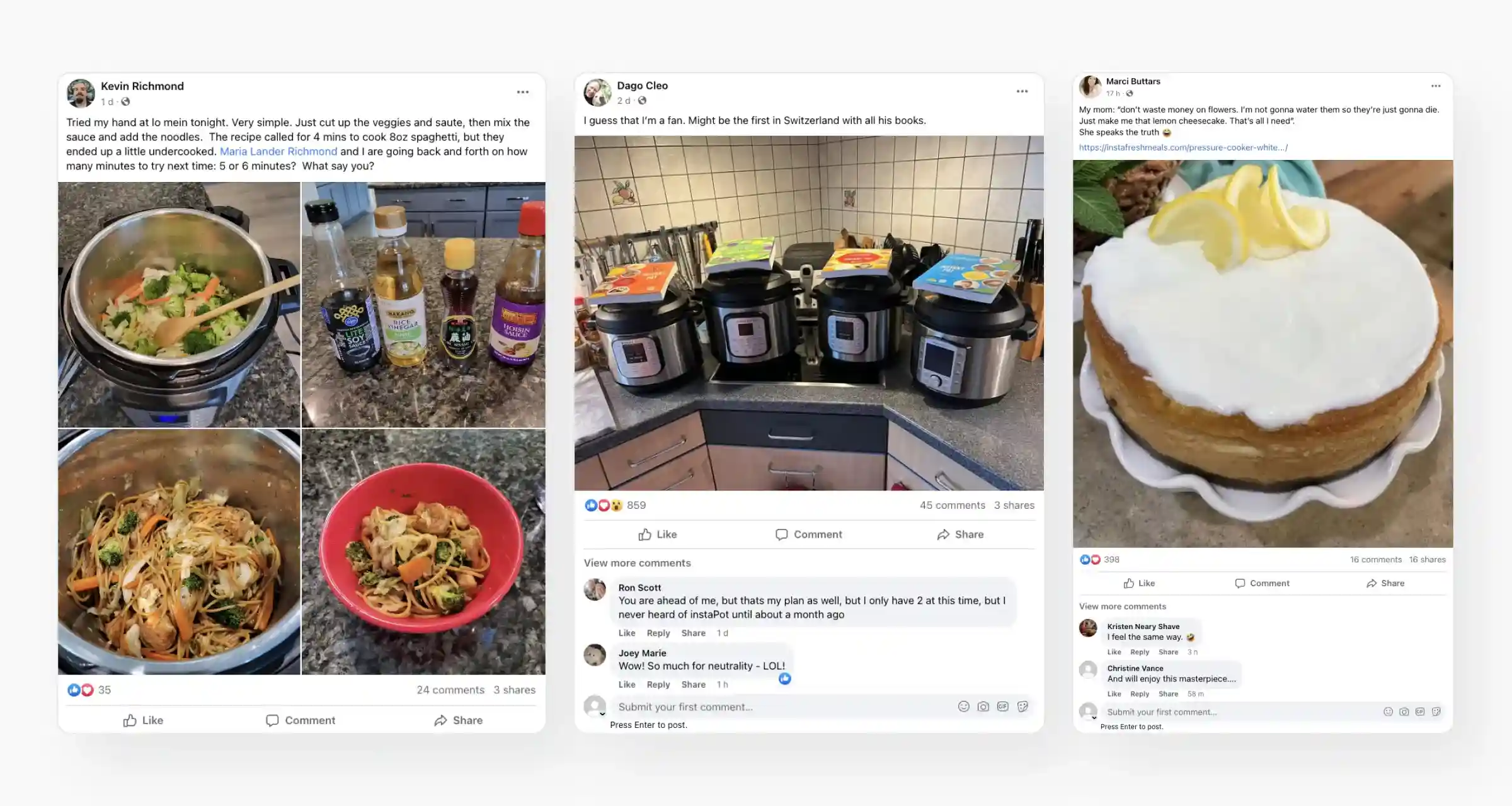
A good example of this strategy in action is Instant Pot. In their early growth phase, they provided units to passionate home cooks who were active in Facebook cooking groups. These micro-influencers naturally shared custom recipes and troubleshooting advice, building a massive community of advocate users.
6. Co-Create Branded AR Filters for Creators to Share
Augmented Reality (AR) camera filters give creators a fun visual element to feature in their videos, while giving their followers something interactive to play with.
You can work with a creator to design a simple filter, such as a virtual product try-on or an interactive quiz. When the creator posts a Reel using the filter, viewers can tap a button on their screen to try the exact same filter on their own mobile devices, generating user-created content for your campaign.
Ray-Ban used this tactic effectively by collaborating with fashion creators on Facebook to launch virtual frame try-on filters. Followers could watch a creator style a pair of sunglasses, tap the screen, and immediately see how those same frames looked on their own face using their smartphone camera.
7. Publish Short Episodic Video Series with Storytellers
Rather than asking a creator for a single, standalone product review, you can sponsor a multi-part video series that unfolds across three or four episodes.
Episodic content gives the creator the space to tell a compelling story. Viewers who enjoy the first video naturally tune back in for the next episodes, creating multiple exposure points for your brand message.
A strong precedent for this is GoPro. They partner with outdoor adventurers to publish multi-episode travel series on Facebook. Each episode focuses on an exciting journey, showing real-world footage captured entirely on GoPro cameras without feeling like an overly structured commercial.
8. Tag Creator Products Directly in Facebook Shops
Reducing friction in the buying process is one of the most effective ways to boost ecommerce conversion rates. By setting up product tagging permissions, you allow creators to tag items from your Facebook Shop directly within their photos and video Reels.
When a user sees an outfit or home item they like in an influencer’s post, they can tap the product tag to view pricing, available sizes, and product details right inside the Facebook app. This eliminates the extra step of leaving the app to search for a product on an external website.
9. Run Co-Branded Giveaways with Simple Lead Forms
Co-branded giveaways are a dependable way to build excitement and capture new prospective customer leads, provided you keep the entry process as frictionless as possible.
Instead of directing users away from Facebook to a complex landing page form, pair the creator’s promotional post with an embedded Facebook Lead Form. When a user taps to enter the giveaway, Facebook automatically fills in their contact details from their profile, allowing them to submit their entry with just a couple of taps.
Measuring Influencer Marketing ROI with NestAds
Influencer marketing often suffers from unclear measurement. When tracking relies strictly on manual discount codes, standard link shorteners, or browser pixels, conversions are easily lost — making it difficult to determine which creators are actually generating profit.
NestAds gives you clear visibility into the revenue generated by your influencer partnerships and whitelisted creator ads.
Complete Tracking for Influencer Traffic: Capture every conversion driven by creator campaigns. Server-side tracking feature routes purchase events directly from your store to Meta, ensuring that sales from mobile browsers, in-app web views, and ad-blocker users are fully recorded.
Creative Analysis: Compare creator-generated videos and images side-by-side in one centralized dashboard. Evaluate which visual hooks, formats, and messaging angles deliver the highest conversion rates to guide future content requests.
Long-Term Value Beyond the First Purchase: Use cohort analysis to track the buying behavior of customers acquired through specific influencer campaigns over 30, 60, or 90+ days. Identify which creators bring in high-LTV, repeat customers versus one-time buyers to optimize your influencer budget.
Get started with NestAds for free or book a demo to see NestAds in action.
Frequently Asked Questions
A practical benchmark for ecommerce stores is allocating 10% to 20% of your total Facebook ad budget toward creator partnerships and ad usage rights. If you are starting fresh, testing 2 to 3 micro-influencers with a monthly budget of $1,000 to $2,500 gives you enough data to measure ROI.
Organic creator posts only reach the influencer’s existing followers through organic algorithms. Partnership Ads let your brand put ad spend behind that post inside Meta Ads Manager to target specific audiences. This allows you to combine the trust of a creator with precise pixel targeting and measurable scale.
You can track ROI by giving creators unique UTM links for Google Analytics and offering exclusive promo codes to attribute delayed sales. Setting up Meta’s Conversions API also ensures accurate server-side tracking despite browser privacy limits.
Nano-influencers often accept free products in exchange for an unboxing or review if your item has strong appeal. Micro and macro-influencers almost always require a flat rate plus additional licensing fees if you plan to use their content for paid ads.
Facebook Reels work best for reaching new customers because Meta’s algorithm actively pushes video to non-followers. Traditional image posts and carousels are better for retargeting warm audiences who need specific product details before buying.
The main drawbacks include losing full control over how your brand is presented, unpredictable content quality, and potential reputation risk if a creator faces public backlash. Additionally, managing contracts, content approvals, and tracking codes across multiple creators requires ongoing manual effort.