







 Shopify Development
Shopify makes it easy to build a nice online store, yet many merchants find themselves struggling to get sales.
Getting sales isn’t about one single “growth hack.” Instead, it is about building a foundation of trust, reaching the right people, and then using automation to scale your success.
In this guide, we will provide 14 proven strategies on how to increase sales on Shopify for new and growing ecommerce stores.
How to boost sales on Shopify: 14 strategies
If you are completely new, you should focus on building trust. Once your store has steady traffic and regular sales, your goal shifts to optimizing conversion rate. Choose the right strategies for your store:
- Focus on one USP (unique selling point)
- Join niche communities
- Give products to small influencers
- Build basic trust signals
- Improve SEO
- Offer a welcome discount
- Offer small gifts for each order
- Accept different payment methods
- Set up abandoned cart emails
- Use an AI sales agent
- Implement cross-selling
- Start a loyalty program
- Offer superior customer service
- Build your social media
1. Focus on one unique selling point
In a crowded market, trying to appeal to everyone usually results in appealing to no one. Your Unique Selling Point (USP) is the specific benefit that makes your business stand out.
Think of your USP as the “north star” of your brand. Why should customers choose your brand over competitors? Even if you are selling regular products or services, try to be creative with your value proposition, like this:

A clear USP helps small businesses compete with even the big guys. The ecommerce market is already tough, so don’t let your brand drown in cliche copy and unoriginal content.
2. Join niche communities
You do not always need a massive advertising budget to find customers. Sometimes, you just need to go where customers are. Platforms like Reddit, Facebook Groups, and specialized Discord servers are gold mines for new merchants.
The key is to be helpful rather than forcing a sale. If you sell gardening tools, join a community for organic gardeners. Answer questions about soil quality or pest control. When someone asks for a recommendation for a specific tool, that is your opening to mention your store. This builds a reputation for expertise and naturally wins over customers.
3. Give products to small influencers
Many new merchants make the mistake of reaching out to celebrities with millions of followers. These influencers are expensive and their audiences are often too broad. Instead, focus on “micro-influencers” who have between 1,000 and 5,000 followers.
These creators often have a very tight-knit relationship with their audience. Sending a free product to a micro-influencer in exchange for an honest review can provide your store with social proof that feels authentic and trustworthy.
4. Build basic trust signals
A major hurdle for new Shopify stores is the “stranger danger” factor. If a customer has never heard of you, they want to know that you won’t disappear with their money. You can fix this by adding basic trust signals to your site.
Here is a breakdown of those tips into actionable steps:
- Create a clear “Contact Us” page: Include a real email address and, if possible, a physical business address
- Establish a transparent refund policy: Make the policy easy to locate and simple to understand; customers need to know their purchase is risk-free.
- Humanize your brand: Use real photos of the people behind the scenes.
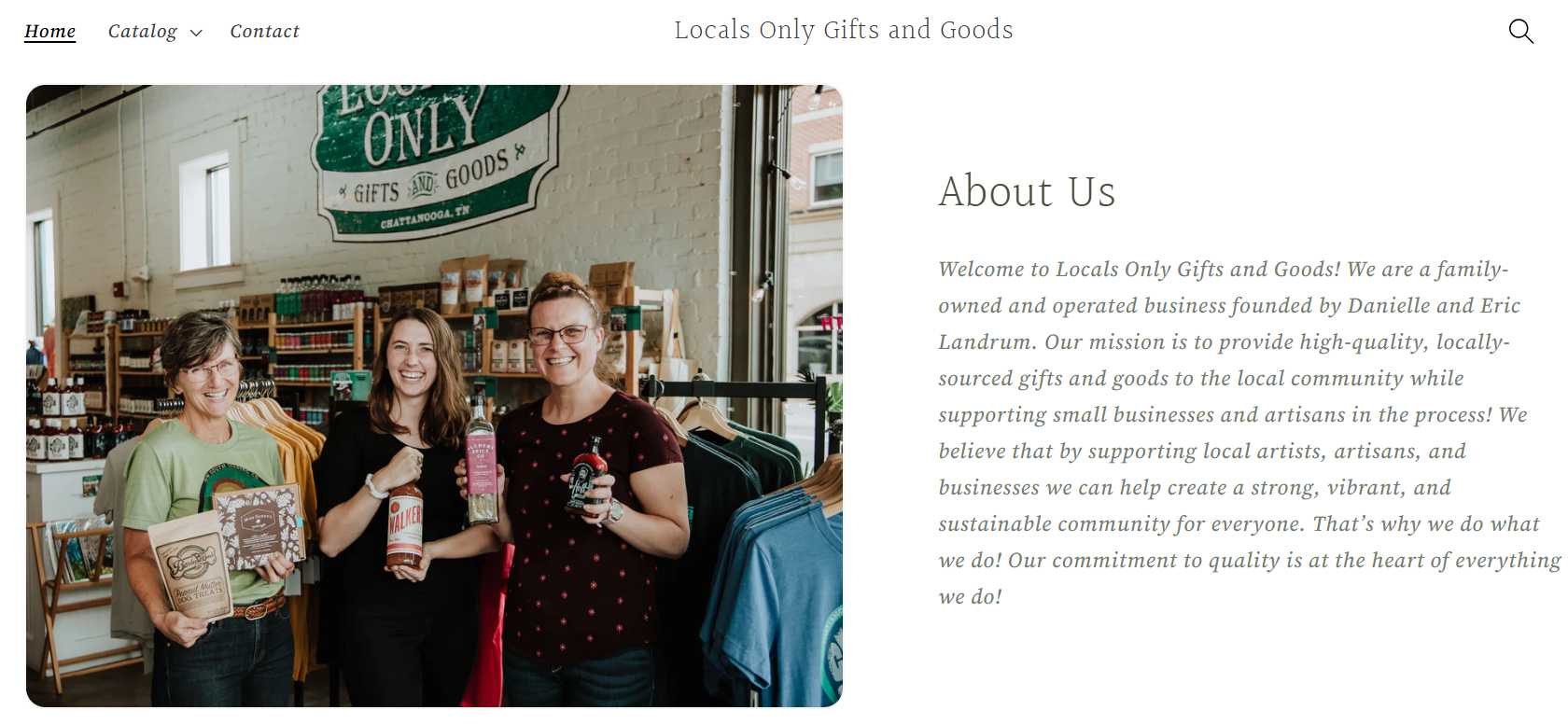
Remember that people are significantly more comfortable sharing sensitive information, like credit card details, when they feel the business is run by real, reachable humans
5. Improve SEO with relevant content
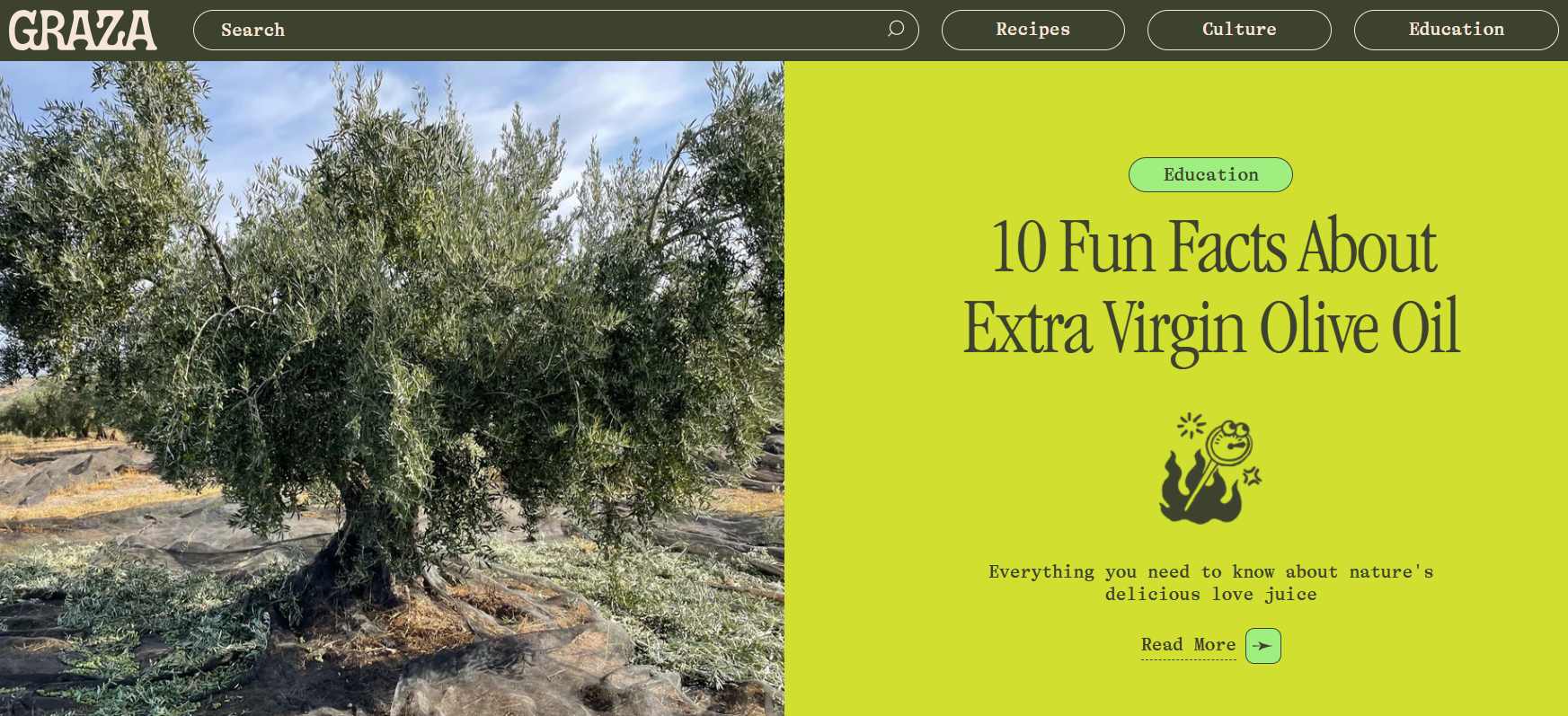
Search Engine Optimization (SEO) sounds complicated, but for a new store, it simply means helping Google understand what you sell. One of the best ways to do this is by creating content that answers customer questions.
When potential customers search for that question on Google, they find your helpful guide and get interested in your products or services. This is known as “Inbound Marketing.” It brings customers to you for free by providing value first, then converting traffic into sales.
6. Offer a welcome discount
The first purchase is always the hardest to secure. Most visitors are “window shoppers” who are just looking. A welcome discount acts as a gentle nudge to turn a looker into a buyer.
According to data from Valassis, 60% of consumers agree that discounts and coupons lead them to try new products. A common strategy is to offer 10% or 15% off in exchange for their email address. This achieves two things:
- It increases the chance of a sale right at the moment.
- Even if they don’t buy immediately, you now have their email so you can market to them later.
This is a foundational step in building an email list, which is one of the most valuable assets an ecommerce business can own.
7. Offer small gifts for each order
In the early days, you have the time to go the extra mile. Including small, unexpected gifts in your packages can lead to massive dividends in customer loyalty. It could be a handwritten thank you note, a branded sticker, or a small sample of another product.
This creates a positive “unboxing experience.” When a customer feels like they got more than they paid for, they are much more likely to share their purchase on social media and tell their friends. This organic word-of-mouth marketing is free and incredibly effective for scaling a new brand.
8. Accept different payment methods
Nothing kills a sale faster than a customer reaching the checkout only to find they cannot use their preferred payment method.
Modern shoppers expect flexibility. Beyond standard credit cards, ensure your Shopify store accepts PayPal, Apple Pay, and Google Pay. These options allow for “one-click” buying, which accelerates checkout and can increase conversion rates by up to 50% compared to standard checkouts.
If you are selling to local communities, you can offer them a COD (cash-on-delivery) shipment. This reduces the risk for customers, as they can check the product before paying.
9. Set up abandoned cart emails
Did you know that nearly 70% of online shopping carts are abandoned? This represents a massive amount of “lost” revenue sitting on the table.
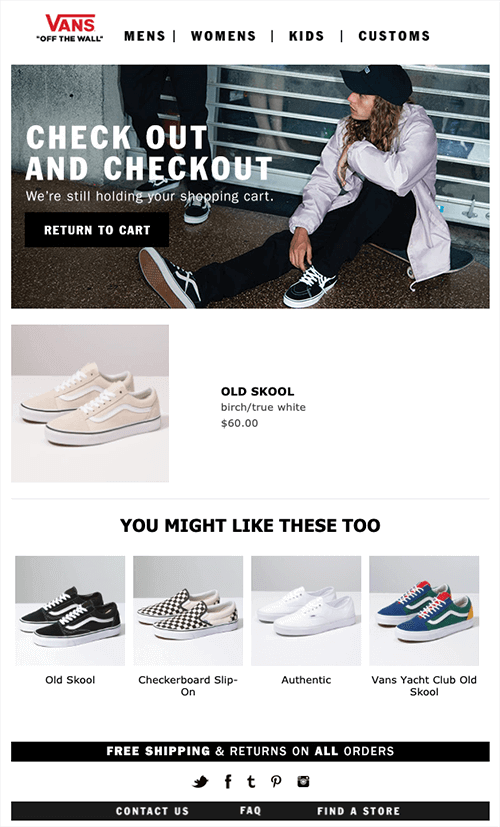
An abandoned cart email is an automated message sent to shoppers who added items to their cart but left before paying.
Abandoned cart emails should be helpful, not pushy. Remind them of the items in their cart and any available discounts. This is one of the highest ROI (Return on Investment) activities you can set up on Shopify.
Relevant reading: How to Avoid Shopping Cart Abandonment
10. Use an AI sales agent
As your store grows, you will receive the same questions over and over again. “Where is my order?” and “What is your return policy?” are common queries that can eat up your time. An AI chatbot can handle these for you.
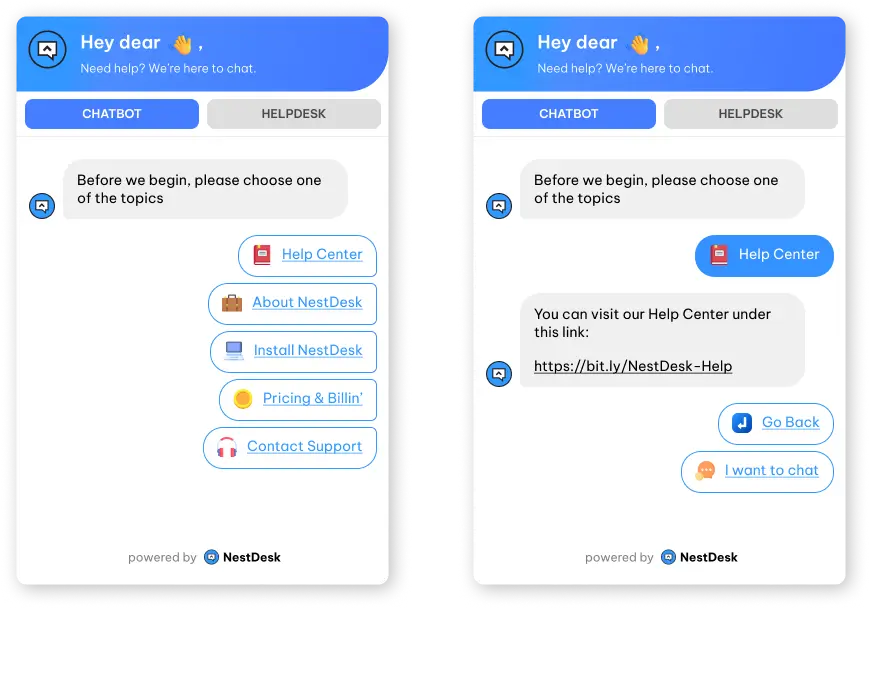
AI can scan your store data to give customers instant answers, and fast support is directly tied to higher conversion rates.
Furthermore, modern AI sales agent can provide proactive customer support in real-time, capturing browsing customers and increase conversion rate through personalized product recommendations.
11. Implement cross-selling
The easiest way to increase your revenue is to get the customers you already have to spend more. This is done through cross-selling.
Cross-selling is about suggesting complementary products to the item customers are interested in. For example, if a customer is buying a pair of shoes, you might cross-sell them a pack of specialized socks or a cleaning kit. This increases your Average Order Value (AOV). It is much more cost-effective to sell more to an existing customer than it is to find a brand-new one.
12. Start a loyalty program
Repeat customers are the lifeblood of a healthy e-commerce business. A loyalty program rewards people for coming back. You can give customers points for every dollar spent, for referring a friend, or for following your brand on social media.
These points can then be traded for discounts or exclusive products. This creates a “gamified” experience that makes shopping with you more fun. It is 6 to 7 times more expensive to acquire a new customer than it is to keep a current one. A loyalty program is a long-term investment in your brand’s stability.
13. Offer superior customer service
In the world of online shopping, things will occasionally go wrong. A package might get lost, or a product might arrive damaged. How you handle these moments defines your brand.
Superior customer service means being fast, empathetic, and fair. If a customer has a problem and you solve it quickly and generously, they often become more loyal than they were before the problem occurred. This is known as the “Service Recovery Paradox.” A happy customer who had a problem solved is a powerful advocate for your store.
Relevant reading: Top 7 eCommerce Customer Service Best Practices
14. Engage with customers on social media
Social media should be a two-way street. Growing stores should move beyond just posting ads and start having conversations. Respond to every comment on your Instagram posts. Reply to tweets. Share photos that your customers have taken of your products.
This builds a community around your brand. When people feel like they are part of a community, they are less likely to shop around for the lowest price. They stick with you because they like your brand identity.
Use tools like Shopify Markets to make sure that as your community grows globally, they can see prices and checkout in their own currency. This removes the final barrier to international growth.
FAQs: Boost Shopify sales
To boost Shopify sales without ads, you should:
– Focus on website optimization
– High-quality content marketing
– Engage with customers on social media
– Build an email list to nurture repeat customers
A “good” Shopify conversion rate typically falls between 2% and 5%, though this varies by industry.
For small businesses, the best strategies include optimizing for mobile, simplifying the checkout process, and leveraging user-generated content (like reviews) to build trust and social proof.