







 Ecommerce News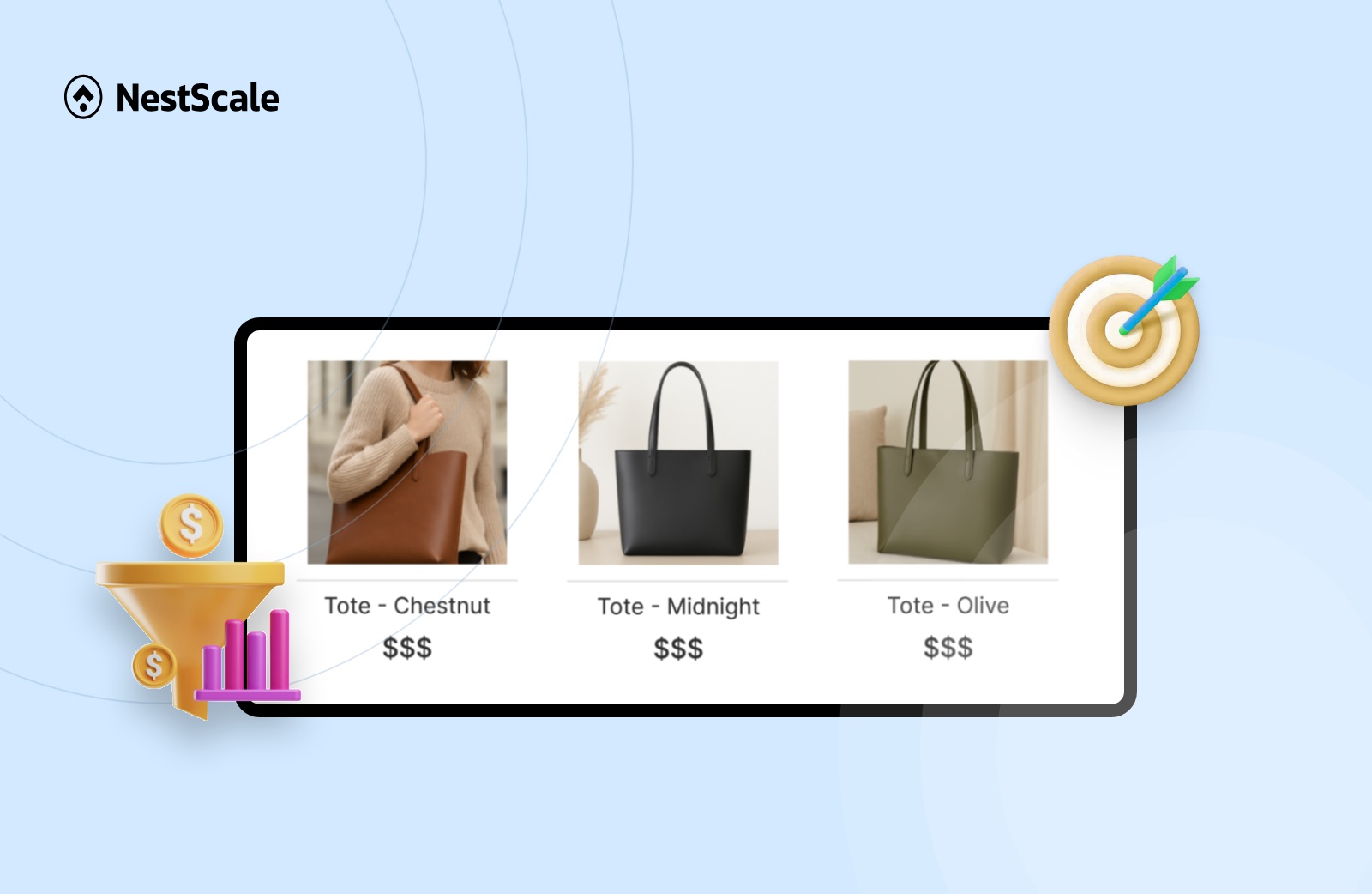
Personalizing product recommendations can feel like a daunting task for most business owners.
You might think it requires a massive team of data scientists or a budget the size of Amazon’s. However, it could be easier than you think.
In this guide, we will break down exactly how to personalize product recommendations to help your customers find what they like faster and increase your store’s performance.
1. Why online merchants personalize product recommendations
The primary goal of any ecommerce merchant is to reduce friction. Every second a customer spends searching for a product is a second they might decide to leave.
Instead of making the user dig through a massive inventory, you bring the most relevant items directly to them with personalization. According to research shared by McKinsey & Company, 71% of consumers expect companies to deliver personalized interactions. Perhaps more importantly, 76% get frustrated when this does not happen.
With personalized product recommendations for online stores, you see a direct impact on three key metrics:
- Increase average order value (AOV): By suggesting items that complement what is already in the cart.
- Increase conversion rate: By showing the right product to the right person at the right time.
- Increase repeat purchase rate: By making the shopping experience so easy that customers want to return.
2. Common types of product recommendations
Product recommendations work best when they help shoppers discover relevant products before they leave your store.
You do not need complex personalization to see results. Most stores can improve conversion rates with a few common recommendation types:
- Home-page and collection-page recommendations: Use bestseller sections and trending products to help shoppers discover relevant products faster. The goal is to reduce browsing friction and guide customers toward products with higher purchase intent.
- Product-page recommendations: Product pages often have the highest conversion rate. Show related products, frequently bought together items and compatible accessories to help customers compare options and build confidence before checkout.
- Cart-page recommendations: The cart page is ideal for low-friction add-ons that naturally fit the customer’s existing purchase. This can include accessories or bundle discounts that increase AOV without distracting shoppers from checkout.
- Abandoned-cart recommendations: When shoppers leave without completing checkout, reminder emails or returning-visitor prompts can recover abandoned cart by resurfacing products they already showed interest in.
3. Practical strategies to personalize product recommendations
Here are seven effective ways to start personalizing your product recommendations.
3.1. Utilize AI-powered sales agents
One of the most powerful ways to personalize today is through AI sales agents.
Instead of waiting for users to search for products, a chatbot can start a conversation and directly ask what they need. AI chatbot can immediately display and recommend products within chat. It is available 24/7 and can support browsing customers in real time.
Many businesses are starting to adopt AI-powered chatbots to give personalized product recommendations.
3.2. Implement “frequently bought together” upsells
This is a classic strategy because it works.
If hundreds of customers bought a specific headphone and almost all of them also bought a specific cable, your store should automatically suggest that cable to the next person who views the headphone.
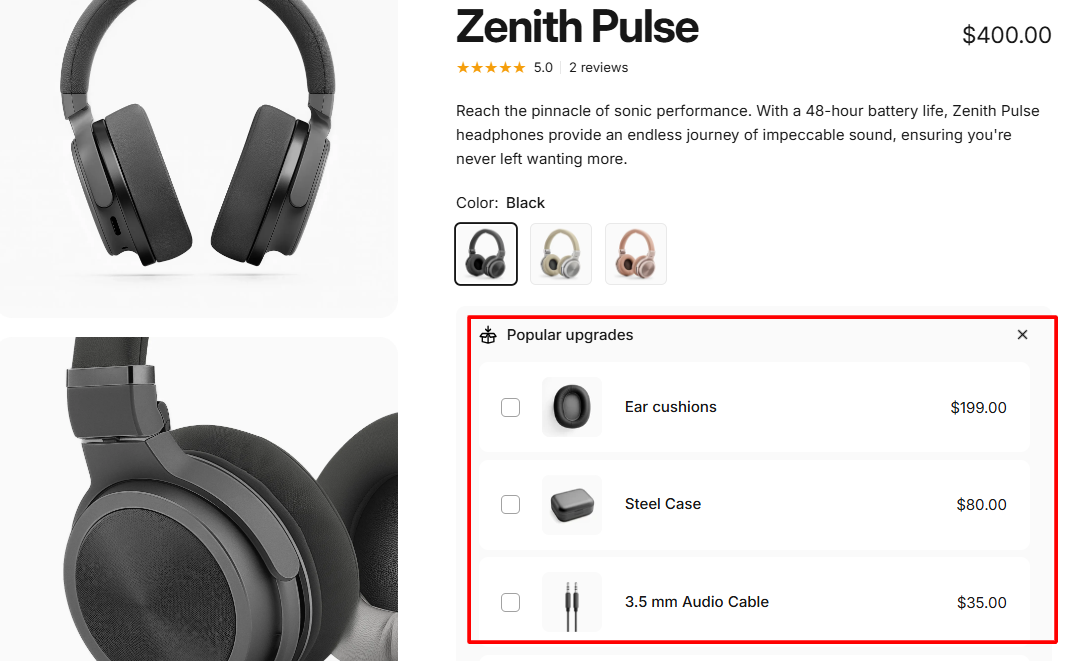
This method is called collaborative filtering. Users with similar preferences will be most likely to like the same items.
3.3. Show “recently viewed” items
Online shoppers are often distracted. They might browse your store during a lunch break and get interrupted. When they return, you should make it incredibly easy for them to find what they were looking at.
Adding a “Recently Viewed” section at the bottom of your homepage or on product pages acts as a gentle reminder.
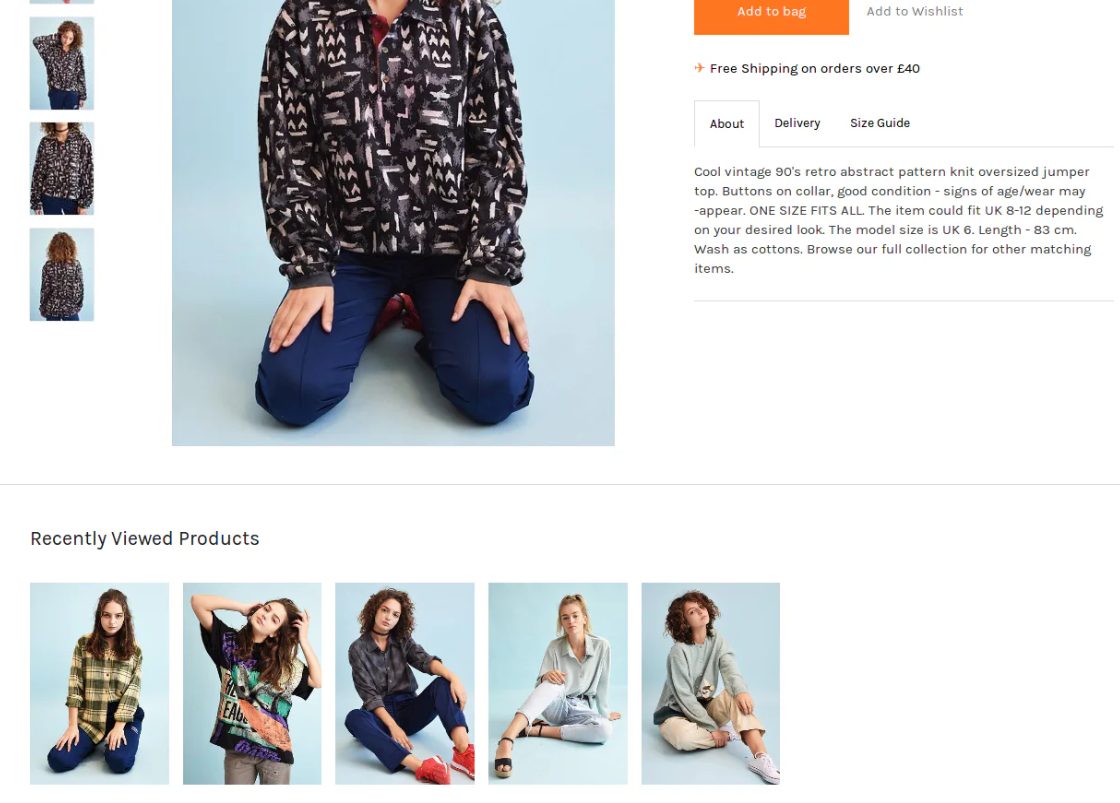
It reduces the cognitive load on the customer, meaning they do not have to remember the exact name of the item they liked twenty minutes ago.
3.4. Personalize by referral source or campaign
The journey a customer takes to reach your store provides valuable clues about their intent.
If a user clicks an ad for a specific product, you should direct them to the product page or at least, your homepage should display that product at the top.
You can use UTM parameters to ensure that the recommendations on the landing page align with the ad creative.
You may be interested: How to Convert Traffic Into Sales (& Examples)
3.5. Automated “You Might Also Like” based on similar items
Looking at the features of each item, such as color, material, or style. If the customers are interested in that item, high chance they would also like other items with similar attributes.
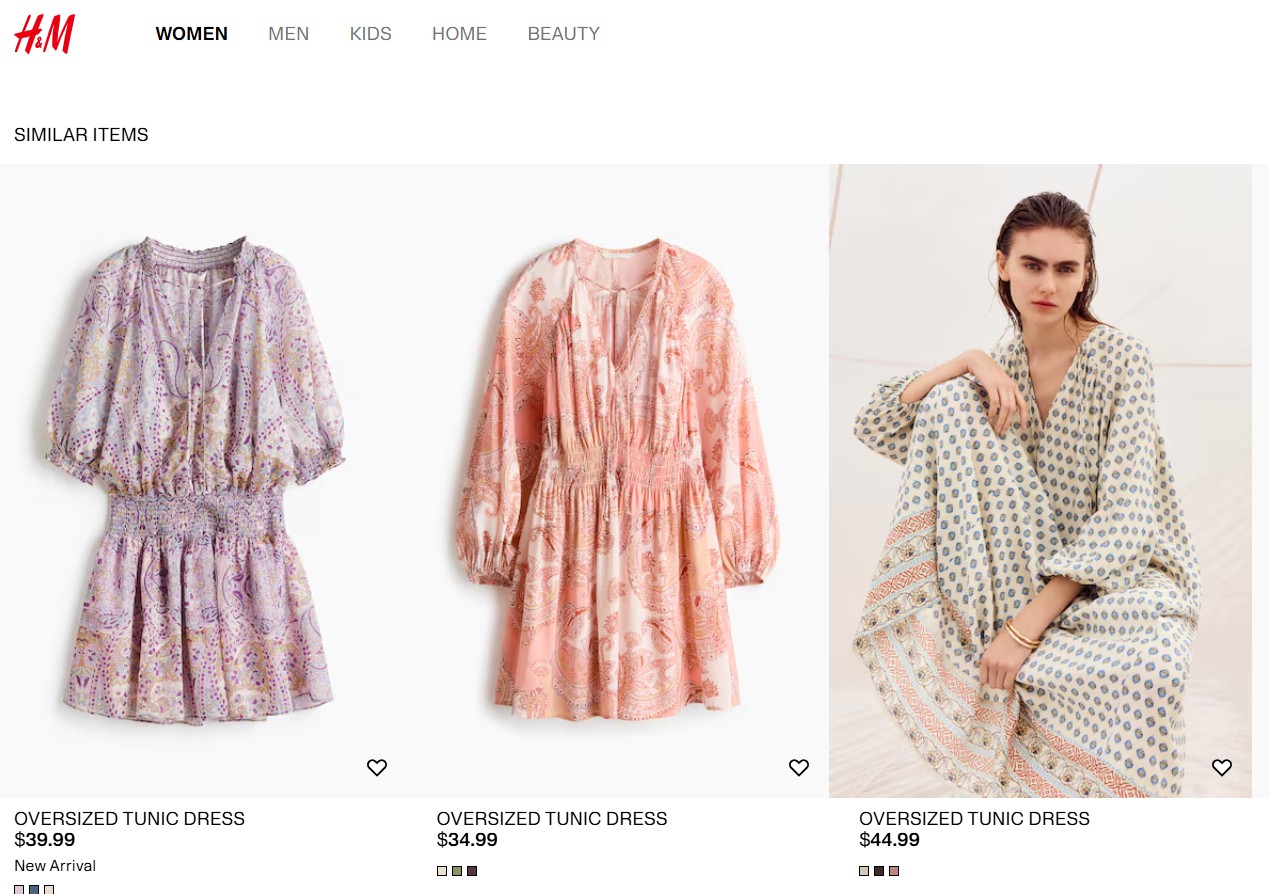
This is known as content-based filtering — you are recommending products with the same affinity. The shopping experience can feel personalized and curated, even for someone visiting your store for the first time.
For a small business, this is a powerful way to move inventory that might otherwise be hidden. Instead of only showing your top sellers, you can surface unique items that match a customer’s specific taste.
3.6. Categorize best-sellers for new visitors
Personalizing for people you have zero data on is the “Cold Start” problem. Without a history of their past purchases, you have to rely on broader data.
You should not show a general list of best sellers from across the entire store. Instead of, show the best sellers within each specific category.
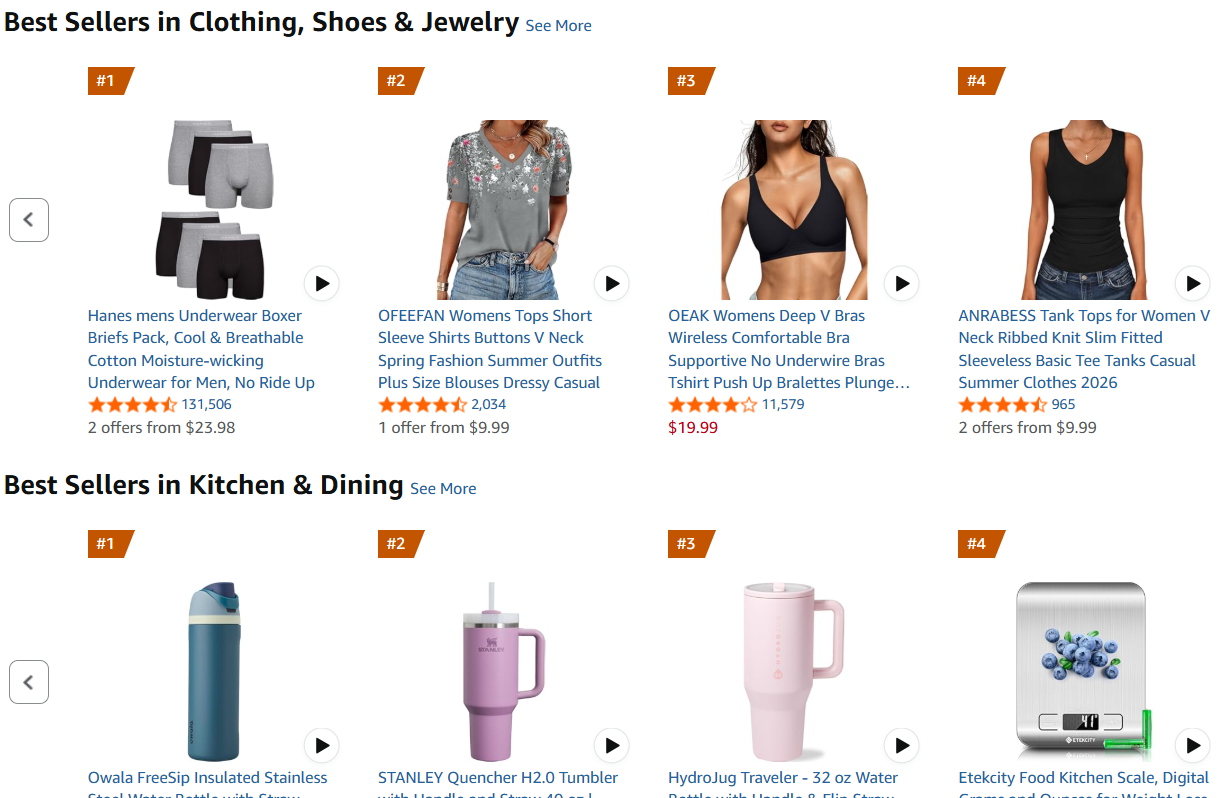
By doing so, you provide immediate suggestions based on the shopper’s current interest. It removes the confusion of a large inventory and guides new visitors toward a purchase by showing them what other people in that specific category loved most.
3.7. Post-purchase “refill” or “complementary” reminders
Personalization should not stop at the checkout button. Use the data from a completed purchase to fuel future recommendations. If a customer buys a 30 day supply of vitamins, a personalized email or an account dashboard notification on day 25 is highly effective.
Similarly, if someone buys a high end skincare serum, you can recommend a sunscreen that works perfectly with that specific formula. This shows the customer that you understand their routine and are looking out for their best results.
FAQs about Personalized Product Recommendations
AI-powered sales agents revolutionize ecommerce by providing instant, 24/7 personalized answers. By resolving doubts instantly and handling complex queries, they can reduce cart abandonment and increase conversion rates.
Yes. Even without a purchase history, you can initiate by displaying top sellers for each category in the homepage. This shortens the product discovery process for new visitors.
This is a valid concern if your store has a large catalog. You should start with simplifying product search & filter, then using a conversational AI chatbot to handle product recommendations.




 Facebook Advertising