







 Ecommerce News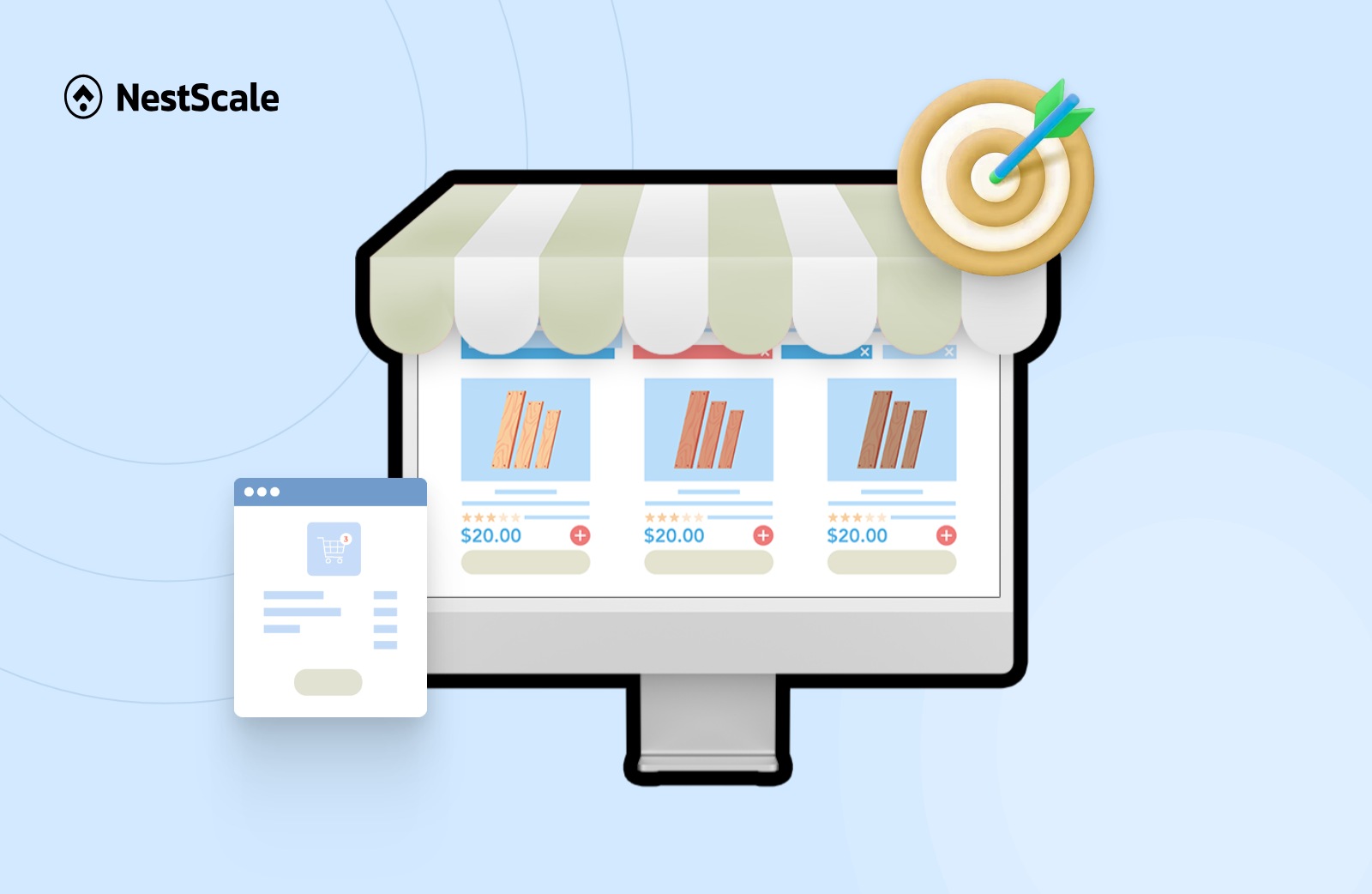
So you are getting a solid amount of traffic, the only problem is no one actually buys your product.
A healthy ecommerce conversion rate typically falls between 1 to 3%. If you are significantly below this mark, there is something (or a lot of things) to work on.
But thankfully, this is a common problem for ecommerce businesses and we have seen it all. You are just at the beginning of your journey, let’s see what is causing low conversion and how to convert website traffic into sales.
1. Lack of trust in store credibility
Trust is the most important thing for online businesses. According to the Baymard Institute, nearly 18% of shoppers abandon their carts because they did not trust the site with their credit card information.
Before focusing on the products, take a look at your website.
New online merchants often make the mistake of writing a dry About us page, or only talking about the products they sell. What you should do is talk about yourself: who are you, why are you doing this, and how do people contact you?
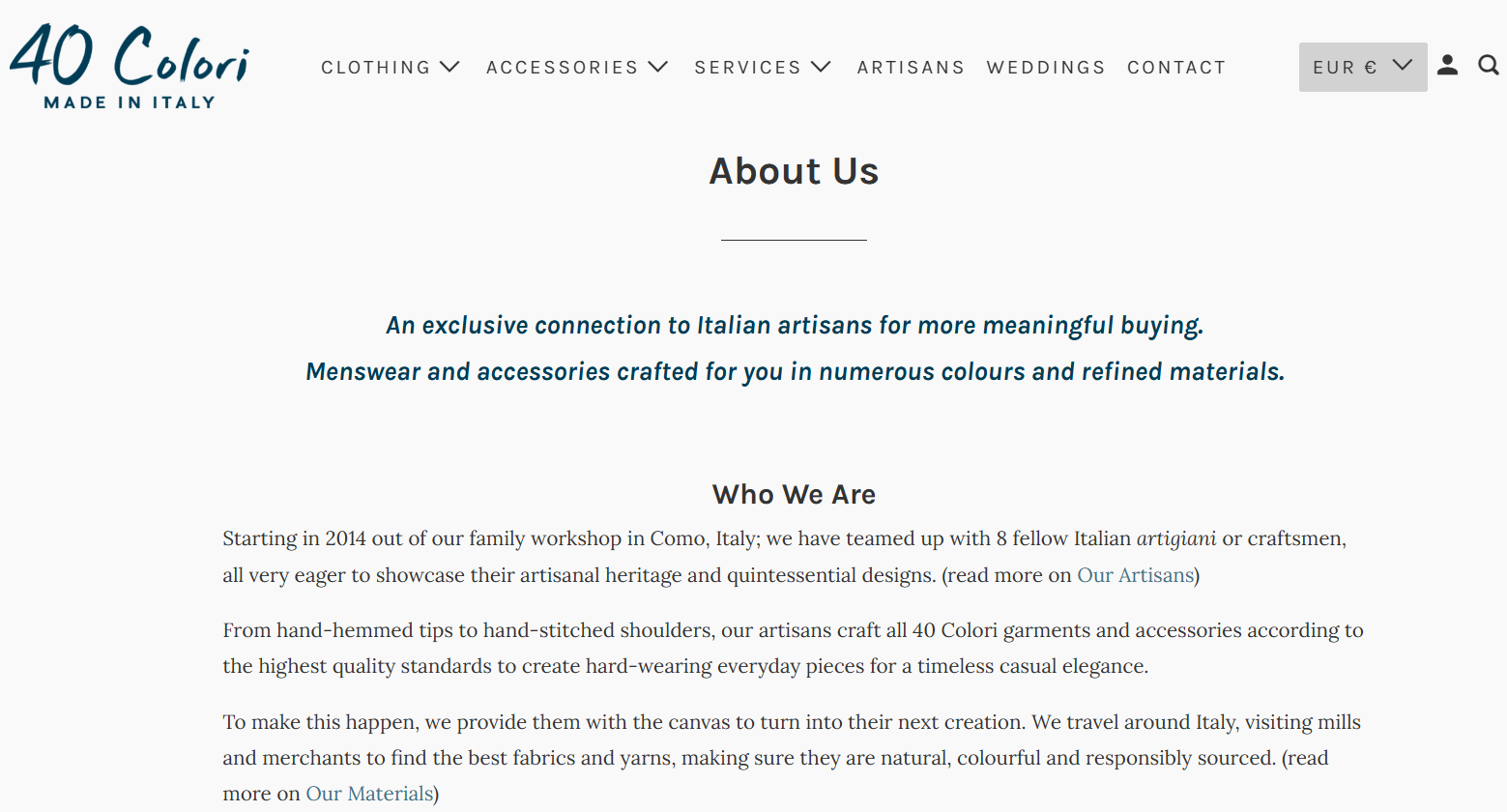
A clear brand identity helps SMBs compete by establishing a direct connection that larger, more anonymous corporations often lack.
2. No available customer support
When a customer is on the fence about a purchase, they are often questioning about shipping times, a return policy, or a specific product feature. If they cannot find a way to get an immediate answer, they will simply go to other sites.
You should treat your customer support as a pre-sales tool rather than just a post-purchase necessity.
In this case, adding a live chat feature is one of the fastest ways to increase conversions. It provides the instant gratification that modern shoppers crave. Since you cannot be available 24/7, use an AI agent to handle any question customers may have.
For more information: Live Chat Customer Service: Guide for Businesses
What’s great about this is you can track real-time customer data. Even if you cannot get a sale, you at least know what is delaying the customer’s decision.
You should also add a FAQs section. It serves as a self-service support center. If you notice the same questions popping up in your inbox, add them to the FAQ. This reduces the friction of the buying process and shows that you understand their concerns and have already prepared the answers.
3. Simplify product search & filter
When 95% of traffic comes from mobile users, you have to make your site navigation smooth and clean.
Many stores suffer from an overwhelming number of buttons and sections. When you give a user too many choices without a clear way to narrow them down, the result is they will not choose anything at all.
Look at these stores:
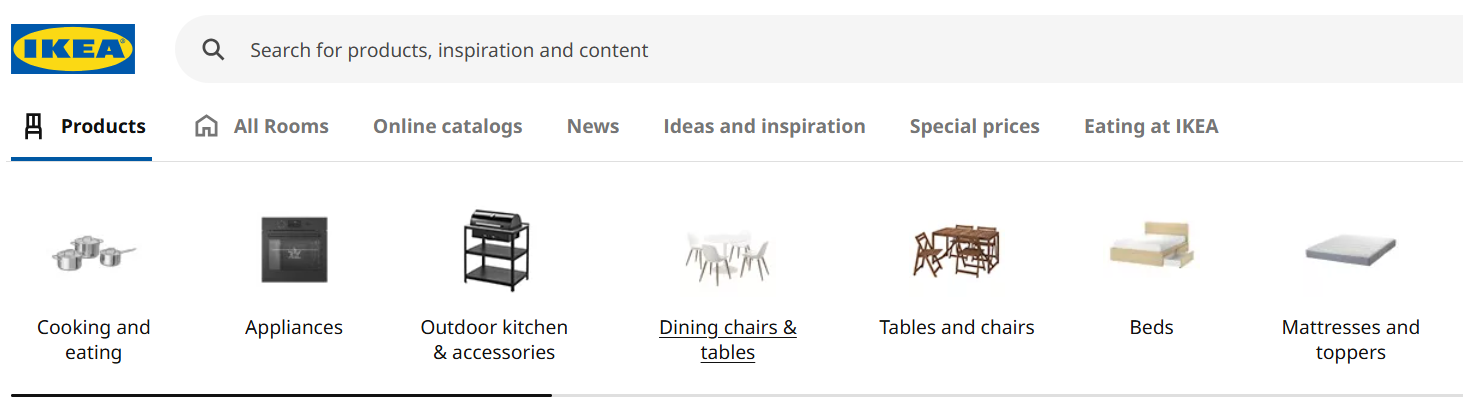
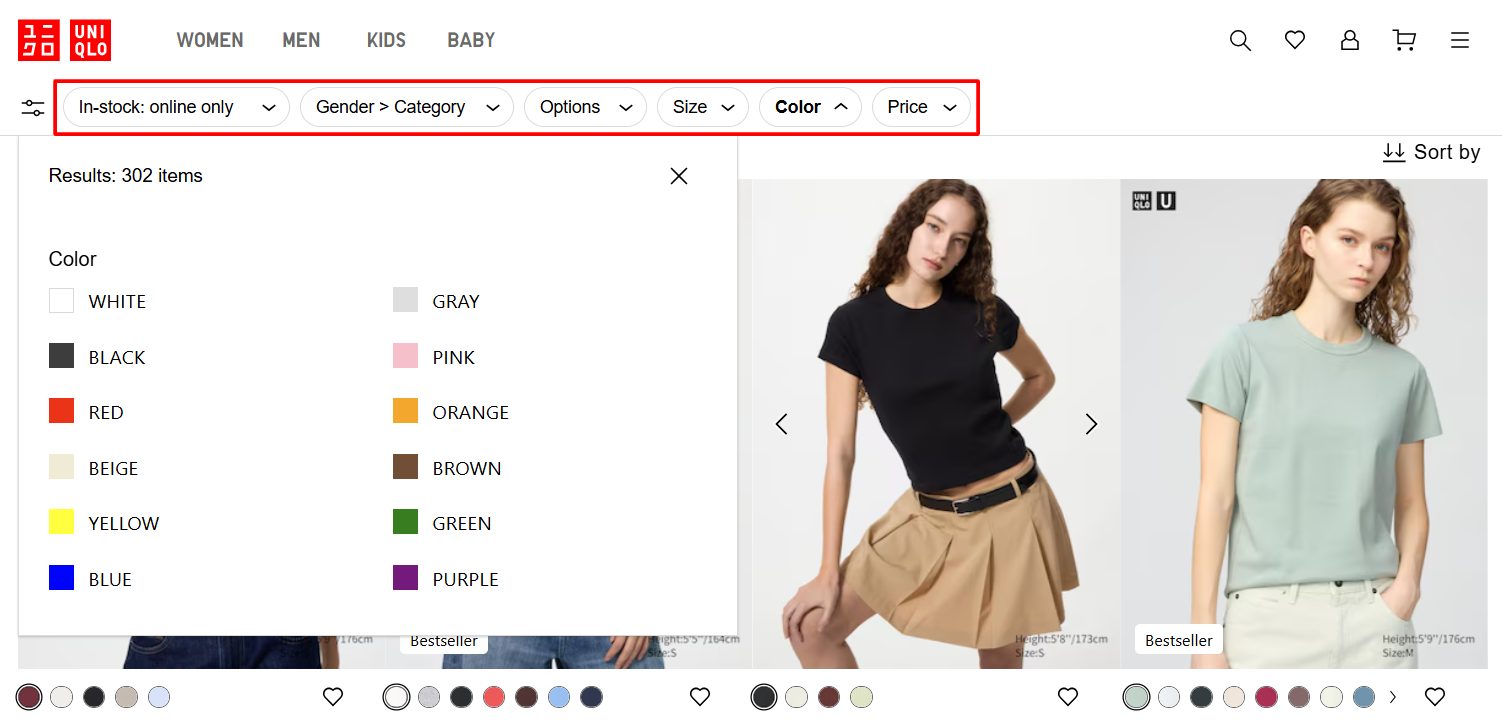
They categorize their products, then let you search and filter within the category itself. This significantly shortens the customer journey and encourages customers to keep exploring your products.
A clean navigation can make the customers feel supported even without real intervention.
Tips: Reduce your product lineup to top sellers for mobile users. You may see people buying faster when there are less choices.
4. Deliver what your ads promised
I assume you run ads? If it is your main source of traffic, maybe you should examine your ads copy.
Imagine seeing a cool Facebook ad for a pair of blue leather boots at 40% off. You click the ad, but instead of seeing the boots, you are taken to the store’s homepage.
Now the customer has two choices: find that product themselves or leave. You can imagine how many people leave.
Every click on an ad represents an interest. If your ad says “Free Shipping,” that offer should be the first thing they see on the landing page. If you are running an ad for a specific product, the ad must lead directly to that product page.
5. Optimize product page for conversion
Your product page is the ultimate decision point before checkout. If your traffic is reaching your product pages but not clicking “Add to Cart,” the page is likely failing to persuade.
The product description may be too generic, or too focused on shiny features instead of explaining how they actually solve any problems.
There are many ways to improve product page conversion rate. Visuals are your only way to replace the physical experience of a store. Since the customer cannot touch the item, you must show it from every angle. Include high-resolution images and lifestyle photos showing the product in use.
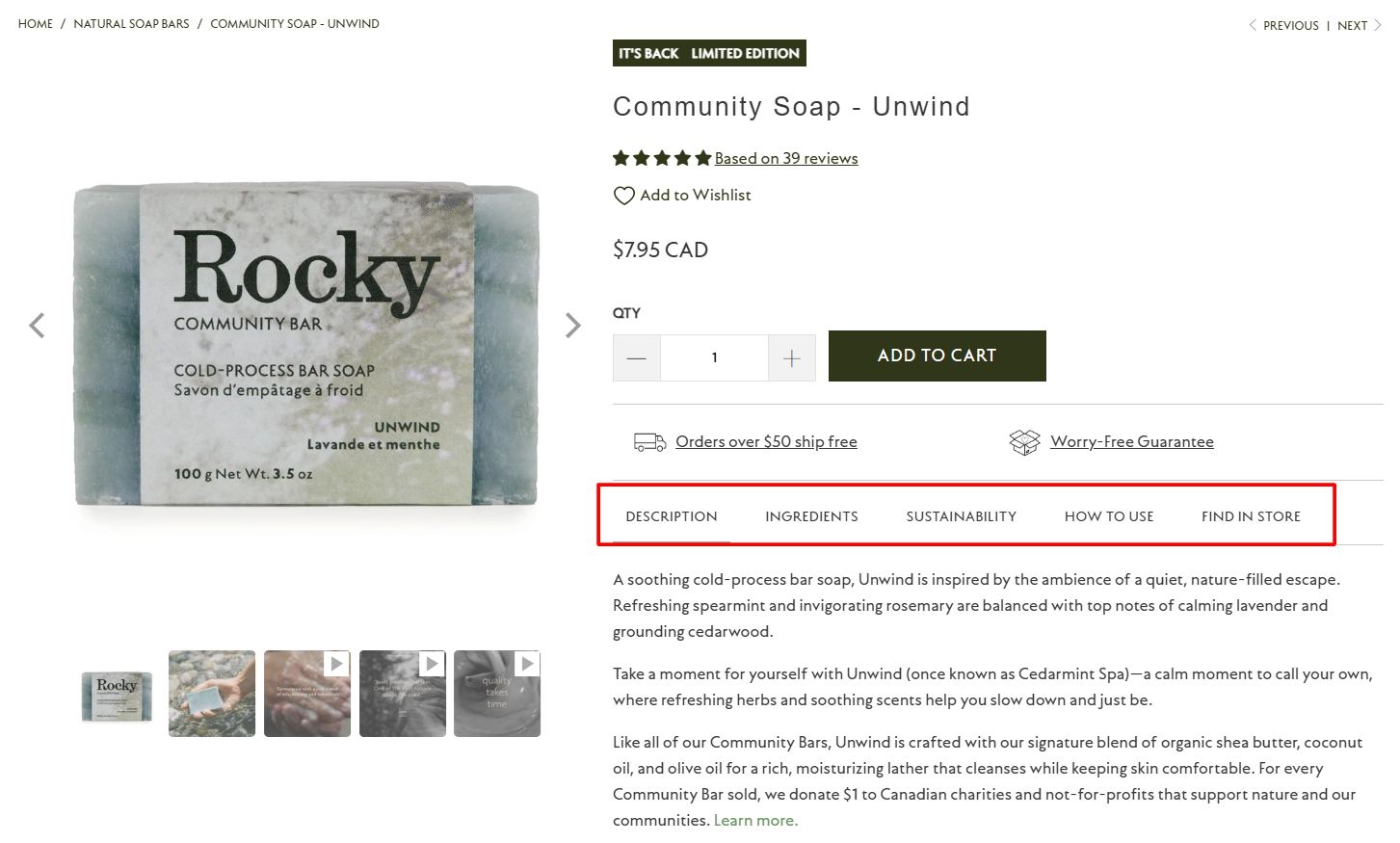
Finally, look at your Call to Action (CTA). Your “Add to Cart” or “Buy Now” button should be the most prominent element on the page. Use a high-contrast color that stands out from the rest of your site design. Avoid clever or vague text. “Add to Bag” or “Complete Purchase” works much better than “I’m Interested.”
6. More than one way to show product proof
Customer reviews are powerful, everyone knows, but what if you are new to the market?
Many online merchants believe that social proof is limited to customer reviews and star ratings. While these are important, they are not the only way to prove your product works.
If you are a new store with zero sales, you cannot wait for customers to provide the evidence for you. You must create the proof yourself.
You can record or take a picture of yourself using the product, or ask friends & families for even more materials.

Another overlooked form of proof are certifications. This might include safety ratings from the International Organization for Standardization (ISO) or materials certifications for organic or recycled fabrics. This data provides an objective layer of trust, which is particularly important for items related to health, safety, or expensive electronics.
FAQ: Getting Traffic but No Sales
The global average for e-commerce is roughly 2.5 percent. Some high-end luxury brands may see lower rates around 1 percent, while essential goods might see higher rates.
Not necessarily. If you run a blog, a high bounce rate is normal because people find the information they need and then exit. However, if your landing page or product pages has high bounce rate, it usually means the page is not optimized.
When you get more traffic, focus on improving conversion rate by:
– Designing a modern-looking landing page
– Including trust signals
– Adding an AI sales agent or live chat
– Simplifying product search & filter
– Optimizing product description and media




 Facebook Advertising