







 Customer Service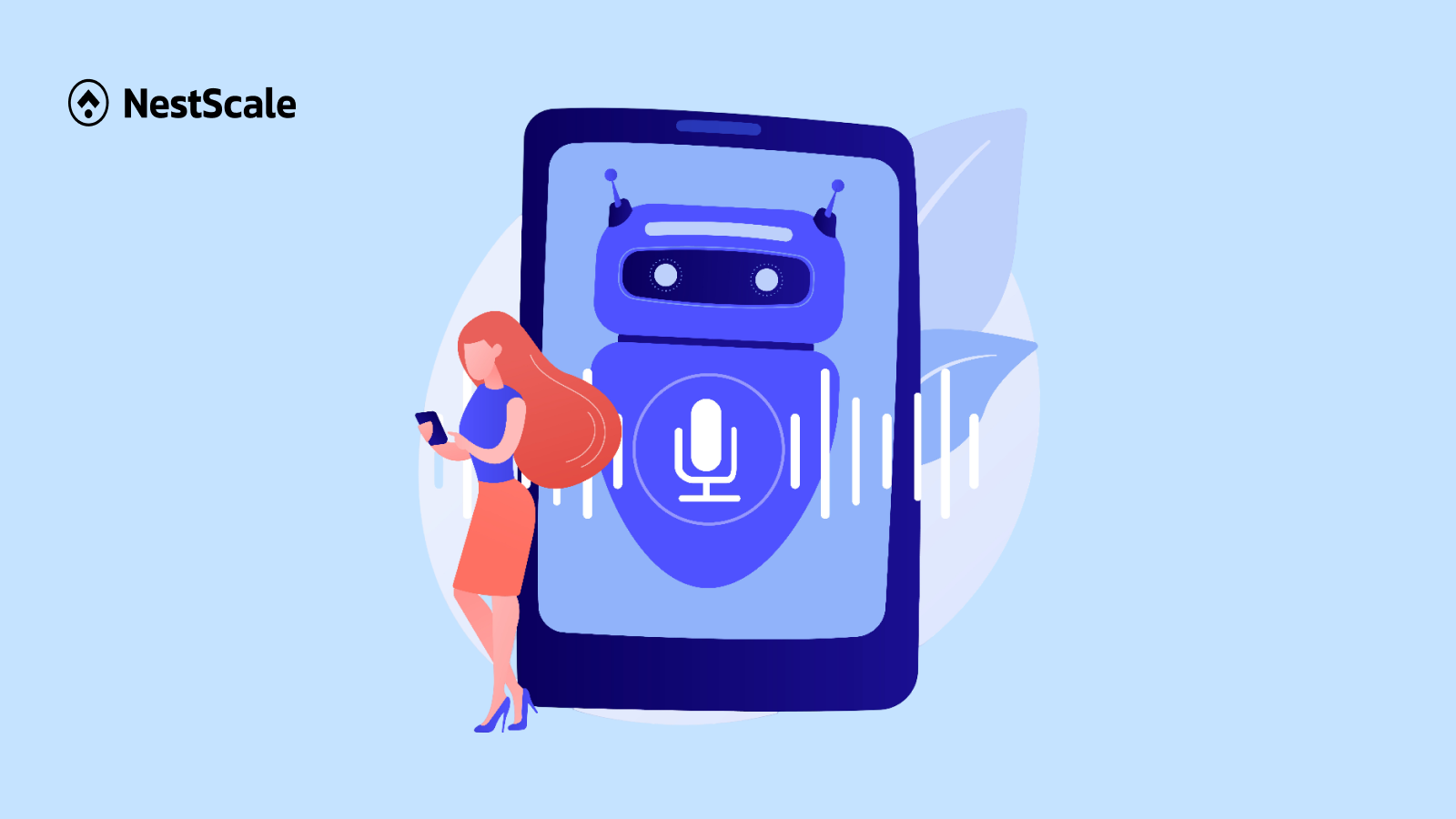
It is getting more and more challenging to win customers.
But at the end of the day, your long-term success relies on one thing: ensuring great customer experience.
This is why online merchants adopted automated tools like chatbots, and also why they are moving past basic automated scripts to something more personalized.
I want to show you exactly what is an AI concierge works and how it works in the ecommerce context.
TL;DR
- What it is: An AI concierge is an advanced virtual assistant built into your website. Unlike old chatbots that rely on rigid buttons and scripts, it uses natural language processing to hold real, fluid conversations with your shoppers in real time.
- Key benefits:
- No wait times
- Higher sales (AOV) with personalized recommendations
- Open conversations in real time
- Ecommerce use cases:
- Personal shopping assistant, handle FAQs and complex product-related questions
- Instant order tracking & returns
- Real-time cart abandonment prevention
1. What is an AI concierge?
An AI concierge is an advanced shopping assistant built directly into your website. It uses natural language processing to talk to your customers like a real human agent.
It does not just send pre-written links or basic template responses. Instead, it understands customer’s specific needs, searches your live store inventory, and helps them buy the right product immediately.
It’s like ChatGPT, but specific to your online store.
These advanced virtual customer assistants are built to autonomously resolve complex user requests across digital interfaces. Instead of making users click through multiple drop-down menus, it gives them direct, conversational answers.
2. Key features of an AI concierge
To understand why this technology is transforming digital retail, you need to look at what it can actually do.
An AI concierge relies on three core capabilities to deliver smooth support:
- Natural Language Understanding: The tool does not look for exact keyword matches. Shoppers can ask an AI concierge the way they ask a friend, and the virtual assistant can still provide relevant answers.
- Context Retention: The assistant remembers previous lines of the conversation. Shoppers won’t need to repeat themselves to be understood.
- Multi-Channel Availability: The service syncs perfectly across your website, mobile app, and social media channels like WhatsApp or Instagram, giving buyers a uniform experience wherever they choose to interact with your brand.
3. AI Concierge vs Traditional Chatbot
Many store owners have been using chatbots. They are really helpful with answering common questions based on scripts.
But the difference is vast between that and an AI concierge.
Here is how they stack up side by side:
| Feature | Traditional Chatbot | AI Concierge |
| User Interaction | Rigid button clicks and static keyword commands | Fluid, natural human conversation |
| Contextual Memory | Resets after every question or session | Retains historical context across the entire journey |
| Problem Solving | Limited to fixed, pre-written FAQ paths | Dynamically pulls from product data and live internal resources |
| Tone & Style | Noticeably robotic and repetitive | Adaptable, on-brand, and genuinely conversational |
The takeaway is clear. Traditional chatbots protect your support team from tickets, but they often frustrate your users due to inability to understand context. An AI concierge, on the other hand, operates with fluid intelligence and can adapt to customer needs.
You may concern: AI Agent vs Chatbot: Key Differences You Need to Know
4. How an AI Concierge Improves Customer Experience
Improving your customer experience is no longer just a nice goal for your business. It is a direct requirement for growth.
It goes without saying that the majority of customers want immediate service when they reach out to a company.
Furthermore, companies that prioritize a better customer experience see major, measurable lifts in overall business earnings.
An AI concierge helps you meet these expectations directly. It eliminates the typical friction points of online shopping.
4.1. 24/7 availability and zero waiting times
The most immediate benefit your shoppers experience is speed.
When a customer has a question about shipping times or return policies at 11:00 PM on a Sunday, they do not want to fill out a contact form. They definitely do not want to wait 48 hours for an email reply.
An AI concierge resolves inquiries instantly.
By removing human bottlenecks, you prevent customers from abandoning carts out of frustration.
4.2. Real-time interaction with browsing customers
Most traditional customer support is reactive. You have to wait for a customer to type out a message. By the time they do that, they are already experiencing friction.
An AI concierge provides proactive customer support in real time. It can detect customer behavior and proactive open conversations.
If a shopper spends several minutes staring at a checkout page, or jumps back and forth between two different products, the AI can send contextual messages offering help.
This real-time interaction captures the buyer’s attention at the exact moment they are hesitating. It keeps them engaged on your website and guides them past their doubts before they decide to leave your store.
4.3. Maximize AOV with personalized recommendations
Research by McKinsey & Company shows that businesses utilizing intelligent AI personalization strategies see a massive 40% increase in revenue compared to slower-moving competitors.
When you want to increase sales, throwing random pop-ups at your customers during checkout often backfires. It annoys them.
An AI concierge solves this by personalize product recommendations.
By pulling data from customer’s browsing history, past purchases, and live chat inputs, it avoids generic recommendations.
Instead of showing random popular items, it suggests products tailored to that specific buyer’s style, preferences, and size. This makes the shopper feel understood, which builds long-term brand loyalty.
FAQs: AI concierge
An AI concierge is an advanced, virtual assistant powered by generative AI and natural language processing. Unlike basic chatbots that rely on rigid scripts, an AI concierge understands complex customer intent, learns preferences and provides personalized recommendations.
For speed and convenience, preferences are shifting: over half of consumers prefer an AI concierge for immediate answers to simple, routine inquiries. However, for nuanced, high-stakes, or emotionally complex issues, customers heavily favor human agents. The ideal model combines both.
No. Utilizing modern, no-code AI platforms allows businesses to deploy an AI concierge within days by simply let it connects with store data and any external knowledge base you want.
Yes. To ensure safety, businesses must select AI vendors that actively comply with strict privacy regulations such as GDPR or CCPA. Crucially, the system should be configured so that customer interactions are never used to train public, open-source AI models.