







 Marketing Attribution
The best tools to evaluate creative performance that we recommend are NestAds, Motion, and VidMob — each built with different approaches to analyzing your creative campaigns.
Real evaluation means knowing exactly why an ad converts. This means a great tool shows you the real customer behavior and give you actionable insights, not just metrics you already see in Meta Ads Manager or Google Ads.
This guide breaks down the 7 best creative analysis tools for Meta, TikTok, and Google — covering their strengths, limitations, and who can benefit from them.
💡 Key Takeaways
-
If you want a quick answer without reviewing every platform, here are the three most recommended tools to evaluate creative performance:
- NestAds: Best for DTC merchants and agencies using multiple ad channels that want to track ad spend and ROAS.
- Motion: Best for marketing & content teams, allows clean bar charts to spot viewer drop-off points.
- VidMob: Best for enterprises, using advanced computer vision to analyze videos and link specific elements to large-scale performance metrics.
How you should evaluate creative analysis tools
Finding the right tool depends entirely on your specific business setup, channels, and budget. I recommend evaluating your options using these four main strategic pillars to ensure you get the absolute best fit for your marketing team:
Monthly Ad Spend
- Under $5,000 per month: Your priority is keeping operational overhead low. Look for simple, low-cost options or, in my opinion, you may not need a creative analysis tool yet.
- $5,000 to $50,000 per month: You have crossed the startup threshold and need scalable dashboards. Look for mid-tier subscription tools that provide consistent metrics, with server-side tracking and cohort analysis.
- Over $50,000 per month: Your ad creatives will experience rapid creative fatigue due to heavy delivery. You require dedicated platforms that can process hundred of creatives simultaneously, track visual asset components, and issue automated performance alerts.
Business Structure
- Direct-to-Consumer (DTC) Brands: Your primary concern is the bottom line. You need single-store software interfaces that link your creative-level ROAS directly to shop revenue and purchase frequencies.
- Advertising Agencies: You are managing multiple client ad portfolios at once. Your team requires a robust multi-account architecture that provides master views, customizable client permission levels, and fast, active web links to share interactive dashboards.
Ad Platform Compatibility
- Paid Social (Meta & TikTok Ad Creative): If your media buying is centered around vertical videos, your analytics tool must specialize in short-form video metrics. You require granular features like visual drop-off graphs and historical hook-rate data.
- Multi-Channel & Search (Google & YouTube): If you are running heavy Google Performance Max or YouTube campaigns, your tool needs to look past short videos. Choose a platform that can evaluate static display banners, text asset groups, and long-form video content.
Attribution Windows and Data Sources
- API / Native Ad Manager Sync: These tools pull data straight from the native advertising dashboards. They are incredibly quick to install and easy to set up, but they leave your team vulnerable to standard tracking gaps and data discrepancies.
- First-Party Server-Side Pixel Tracking: These advanced platforms deploy their own independent, first-party tracking pixels to capture data directly from your server. While they require a more technical installation process, they provide highly accurate, long-term multi-touch attribution.
Quick Overview: Top 7 Tools to Evaluate Creative Performance
Here is a quick look at how these seven tools stack up against each other across different business tiers, platforms, and price ranges.
| Tool Name | Core Platforms | Best Used For | Pricing |
| NestAds | Meta, TikTok, Google | First-party data tracking and revenue attribution | $129.99/month (flat rate) |
| Motion | Meta, TikTok | Visual performance charts for design teams | From $250/month |
| Foreplay.co | Meta, TikTok | Competitor research and permanent swipe files | From $175/month |
| Pencil AI | Meta, TikTok, Google | Predictive scoring and AI asset generation | From $14/month |
| Madgicx | Meta, Google | Automated account optimization and fatigue alerts | From $129/month (scale with monthly ad spend) |
| AdCreative.ai | Meta, Google, TikTok | Rapid banner production and pre-launch scoring | From $39/month (scale with credits) |
| VidMob | Meta, TikTok, Google, Amazon | Frame-by-frame computer vision and brand safety | Custom; AI model scale with impression |
Now, let us take a closer look at how each platform works, what makes them special, and where they fall short.
1. NestAds
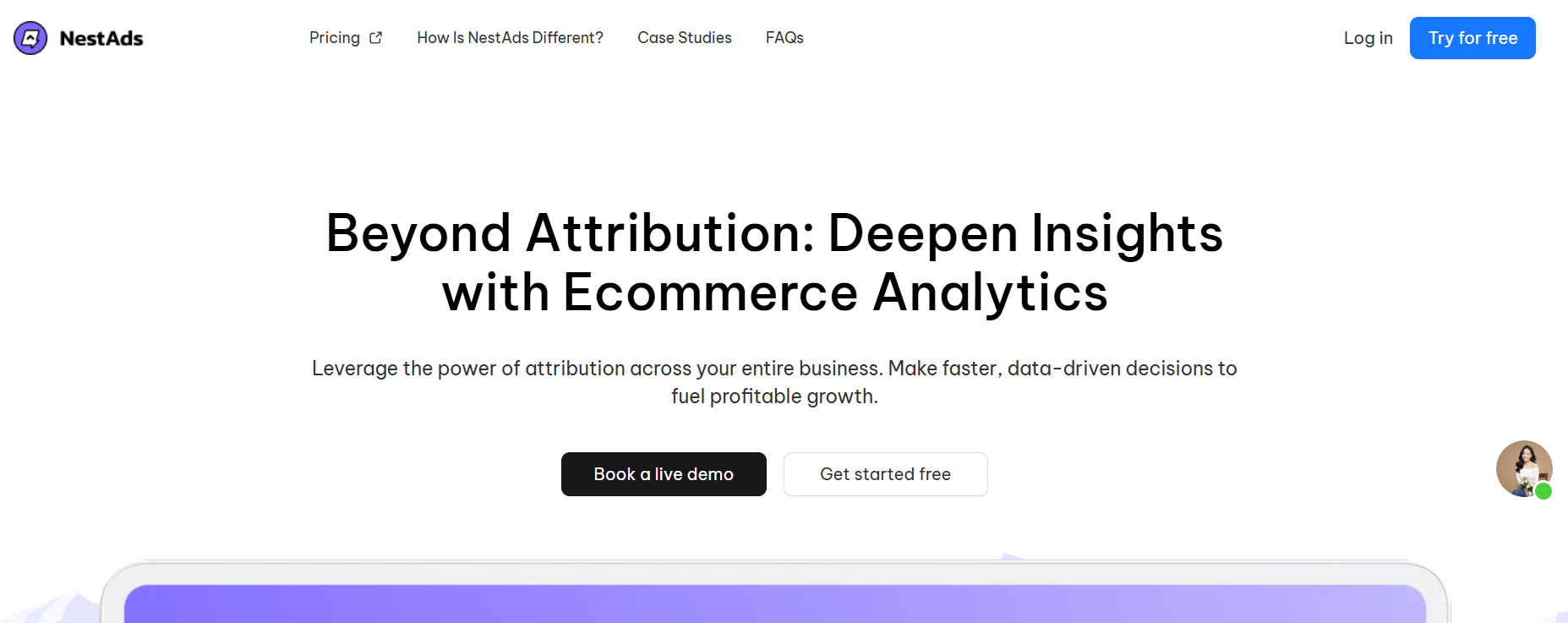
NestAds is a brilliant, all-in-one hub built specifically for e-commerce store owners who want to track multiple ad channels in one spot. It brings your data from Meta, TikTok, and Google Ads into a single dashboard.
NestAds approaches creative analysis from a backend revenue perspective. Most platforms tell you which ad got the most clicks, but NestAds wants to show you which specific visual asset actually triggered purchases. By deploying its own server-side tracking pixel, it maps out the entire customer journey across Meta, TikTok, and Google, giving you a better picture of what converts.
Key Strength
- Multi-touch attribution: Tracks full customer journeys across Meta, Google, TikTok, YouTube, and email, assigning proper conversion credit to specific creatives.
- Creative-to-revenue mapping: Uses multi-touch attribution to track a user from their first interaction with an ad to the final checkout, proving exactly which video hooks or design styles bring in first-time buyers vs. returning customers.
- Angle validation via cohort tracking: Tracks your creative assets over long windows to discover which specific marketing messages and visual formats attract high customer lifetime value (LTV).

Limitations
No asset generation tools: Functions strictly as an analytical data and tracking hub, meaning it will not generate new visual layouts or help you edit ad files.
Best For
Perfect for Shopify DTC brands and advertising agencies who need accurate multi-channel tracking without paying scaled monthly fees.
2. Motion (Motionapp)
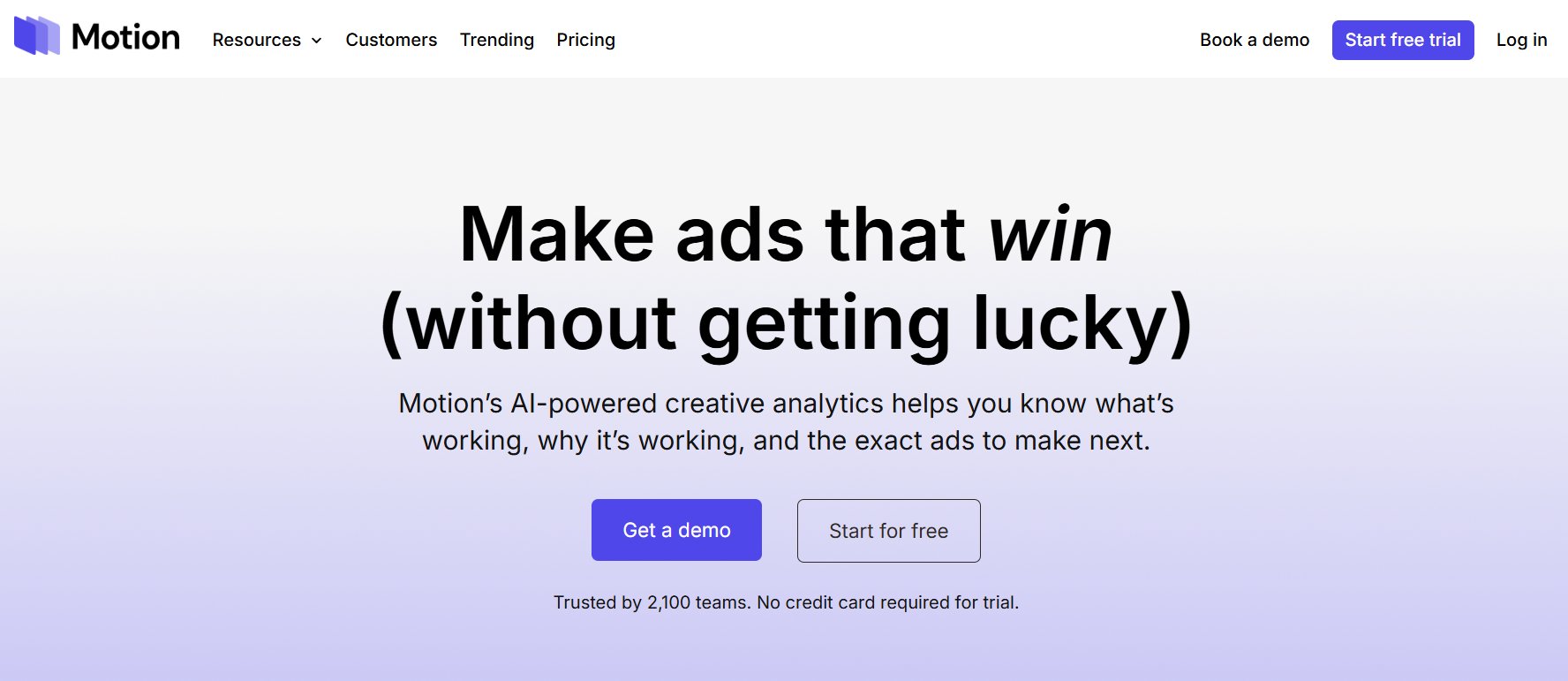
Motion is an amazing platform if you want to turn ugly spreadsheets into beautiful, clear charts. I love how it builds a bridge between media buyers and designers. Instead of forcing your creative team to decipher rows of numbers, Motion displays your ad performance using clean bar graphs and visual timelines that anyone can understand.
Key Strength
- Visual metric mapping: Organizes video performance data by thumb-stop metrics, which is the exact percentage of people who watch the first three seconds of a video instead of scrolling away.
- Watch-time drop-off charts: Pinpoints the precise moment viewers lose interest and stop watching, making it incredibly simple to see where your video pacing slows down.
- Fast report sharing: Generates active web links that you can send directly to your external video editors so they can see performance insights without logging into your main ad account.
Limitations
Native data dependency: Does not feature a proprietary tracking pixel or server-side attribution engine, meaning its data matches your native ad managers exactly and is subject to the same tracking gaps.
Best For
Ideal for e-commerce brands and creative agencies running a high volume of video tests on Meta and TikTok who need to deliver fast, clear design feedback.
3. Foreplay.co
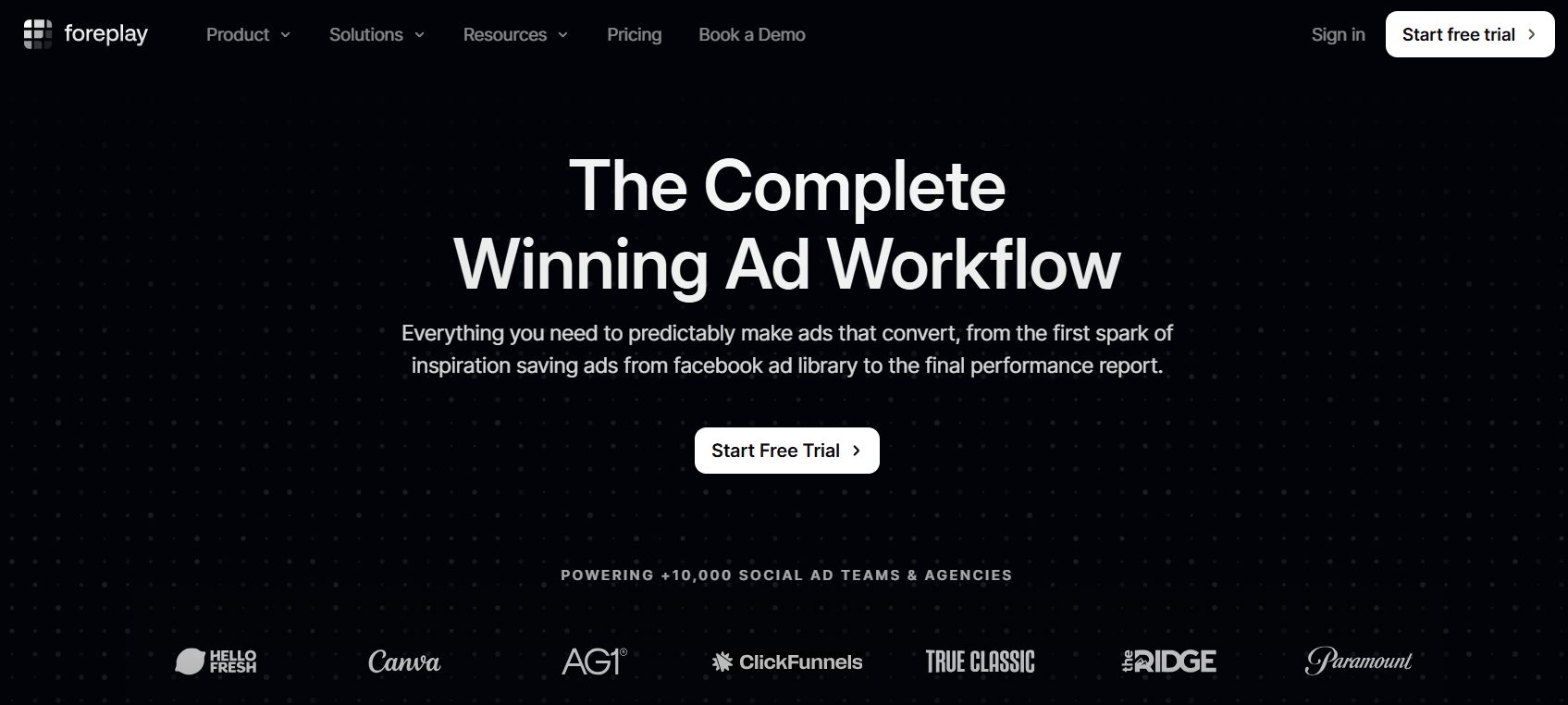
Foreplay is a great creative analysis tool for creative directors and solo media buyers who need inspiration before they start designing. It changes the way you research your competition by letting you save live video ads permanently from public ad libraries before your competitors take them down.
Foreplay mainly supports Meta, including Instagram & Facebook creative optimization.
Key strength
- Permanent digital swipe files: Saves active competitor ads directly to your personal cloud library so you can view them even if the competitor pauses the campaign.
- AI hook transcription: Automatically transcribes text and spoken copy from video hooks, saving your team hours of manual typing when analyzing competitor messaging.
- Built-in storyboard builders: Allows your creative strategists to arrange saved clips and build comprehensive visual briefs for content creators inside the application.
Limitations
No quantitative backend tracking: Does not link directly to your live ad accounts, meaning it cannot measure actual conversion costs, clicks, or revenue performance.
Best For
Creative strategists and agencies: Built specifically for production teams and agencies that prioritize deep competitor research and need a clean system to organize visual references.
4. Pencil (Pencil AI)
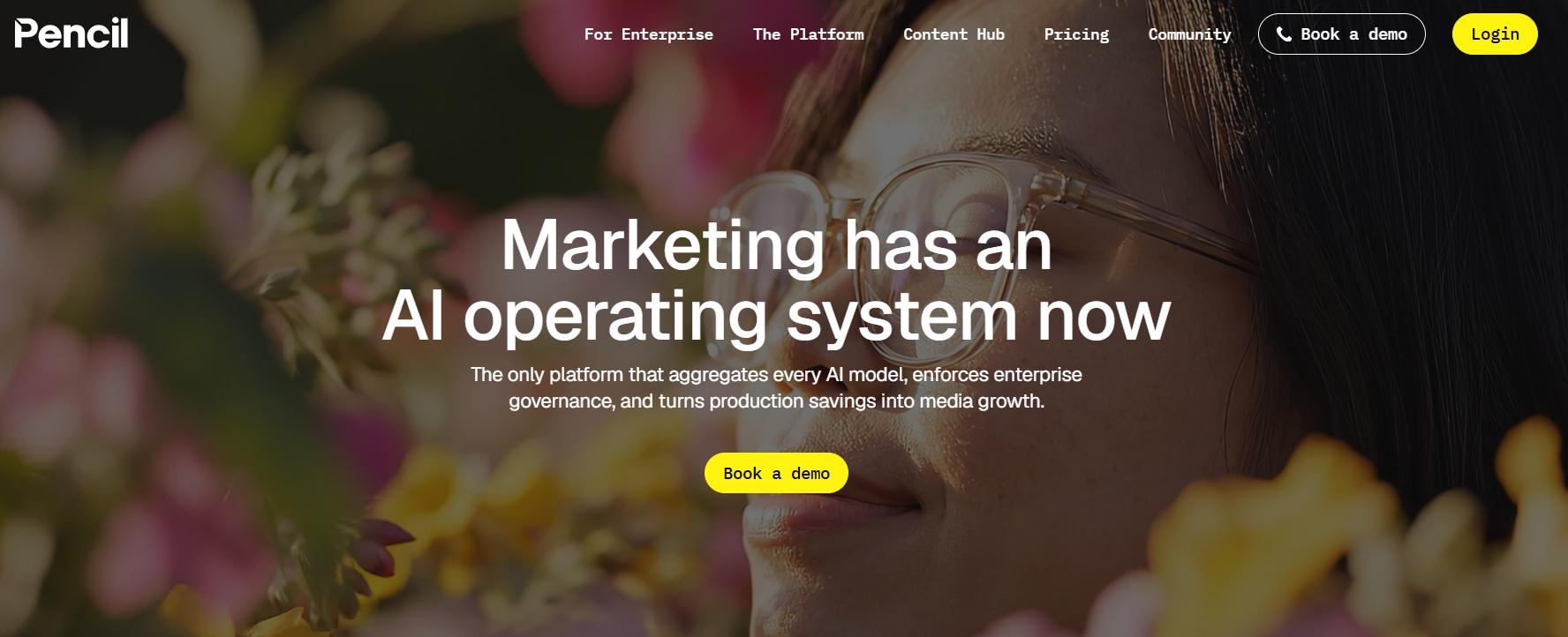
Pencil uses machine learning to look at your historical ad data and predict how well a new ad will perform before you launch it. It serves high-volume growth teams across Meta, TikTok, and Google, and it stands out because it combines performance data with generative tools to build copy and layout options automatically.
Key Strength
- Predictive performance scoring: Employs trained data sets to score your new video arrangements against sector ad spend histories before you deploy your budget.
- Automated asset assembly: Generates batch video variations and ad copy options instantly using your uploaded raw clips and brand elements.
- Ad fatigue warnings: Monitors your live creative delivery and alerts you the exact moment an asset begins to lose efficiency so you can replace it.
Limitations
Formulaic layout aesthetics: Automated video generations can sometimes look a bit generic, requiring your design team to manually refine them to maintain specific brand styling.
Best For
High-volume testing operations: Perfect for fast-paced growth teams that need to generate and pre-vet dozens of creative variations every single week.
5. Madgicx
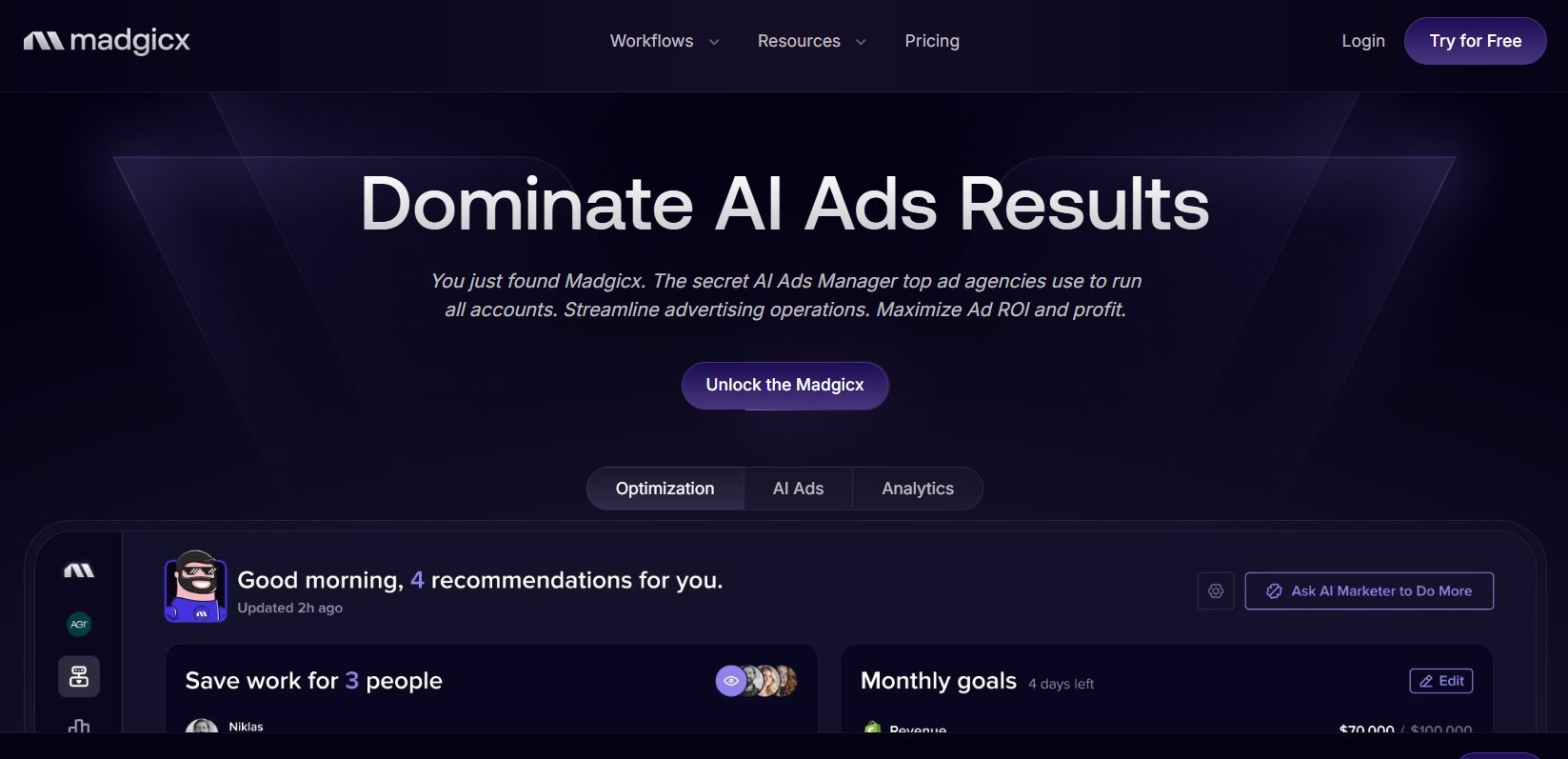
Madgicx is a powerful automation ecosystem built for media buyers who manage large budgets and multiple ad channels. It goes way beyond simple reporting dashboards by embedding its creative analysis directly into automated account bidding and scaling features.
Key Strength
- Computer vision tag analysis: Automatically scans your visual assets to track how elements like text placement, background colors, and human imagery impact performance.
- Autonomous budget triggers: Links creative data straight to automated media buying rules, pausing Google & Facebook fatigued ads or scaling winning ads instantly based on performance.
- Smart lookalike audience engines: Builds targeted custom audiences directly within the platform based on the performance of your historical creative winners.
Limitations
Dense interface layout: The system includes a high density of features and optimization tools, which creates a steep learning curve for solo founders or small business teams.
Best For
Experienced media buyers and agencies: Designed for established account managers with substantial monthly ad spend who want to automate account execution alongside asset tracking.
6. AdCreative.ai
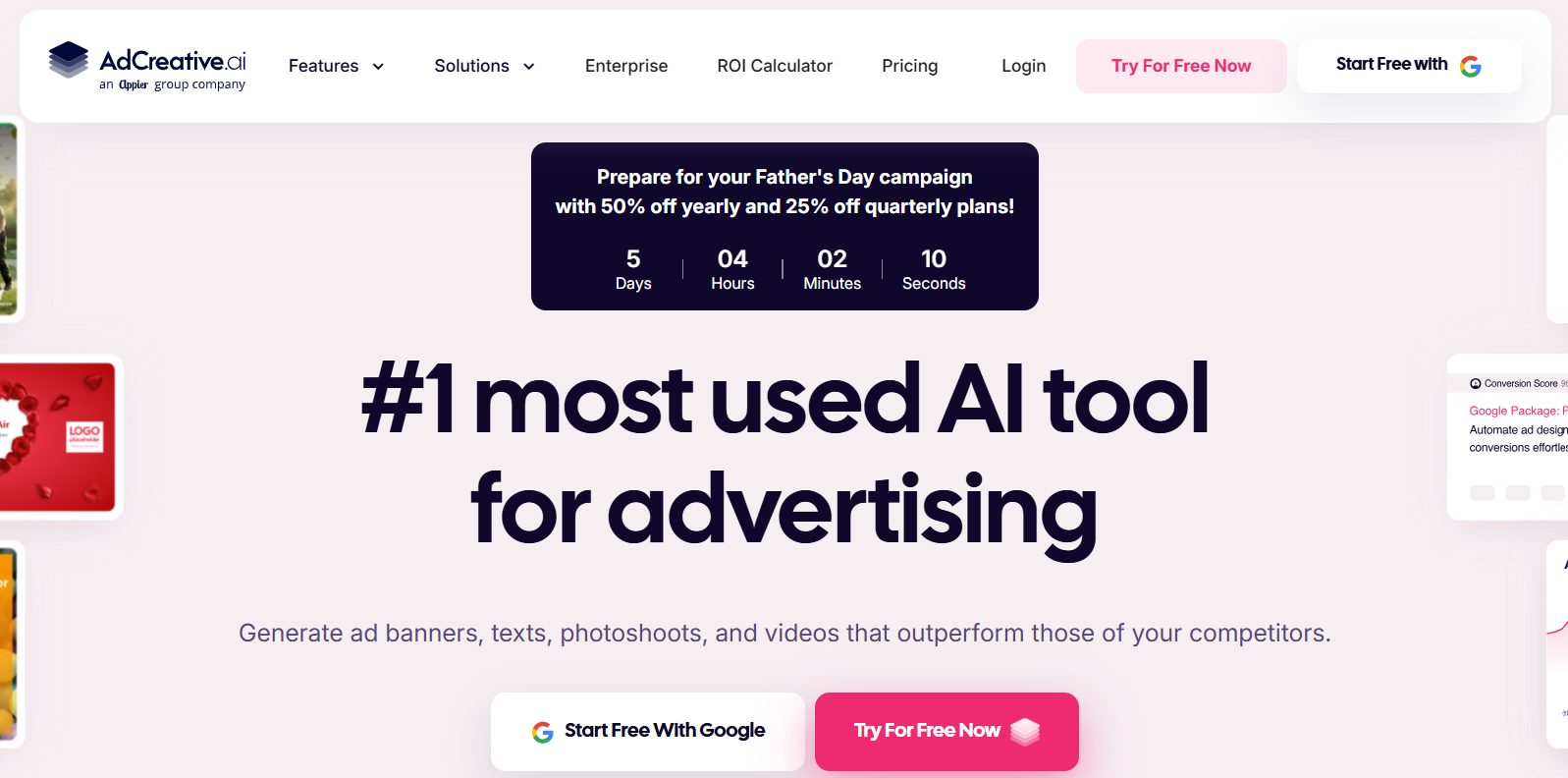
AdCreative.ai is an incredibly user-friendly, AI-driven platform tailored for startups and lean marketing teams who need to move fast. It focuses on producing conversion-optimized static assets and quick video variants across Meta, Google, and TikTok while keeping costs very low.
Key Strength
- Batch banner production: Generates hundreds of conversion-focused static image options in seconds, tailored to the unique dimensions of Meta, Google, and TikTok.
- Pre-launch AI grading: Evaluates layout balances and text positions using a data-backed algorithm to give each generated asset a conversion score.
- Direct campaign publishing: Lets you push freshly created assets straight into your active Meta or Google campaign groups with one click.
Limitations
Social video limitations: The platform is incredibly strong for static banners and text layouts but offers fewer options for deep, second-by-second short-form video retention tracking.
Best For
Startups and solo founders: Ideal for small teams that need to test a wide variety of static designs quickly without paying massive creative agency fees.
7. VidMob
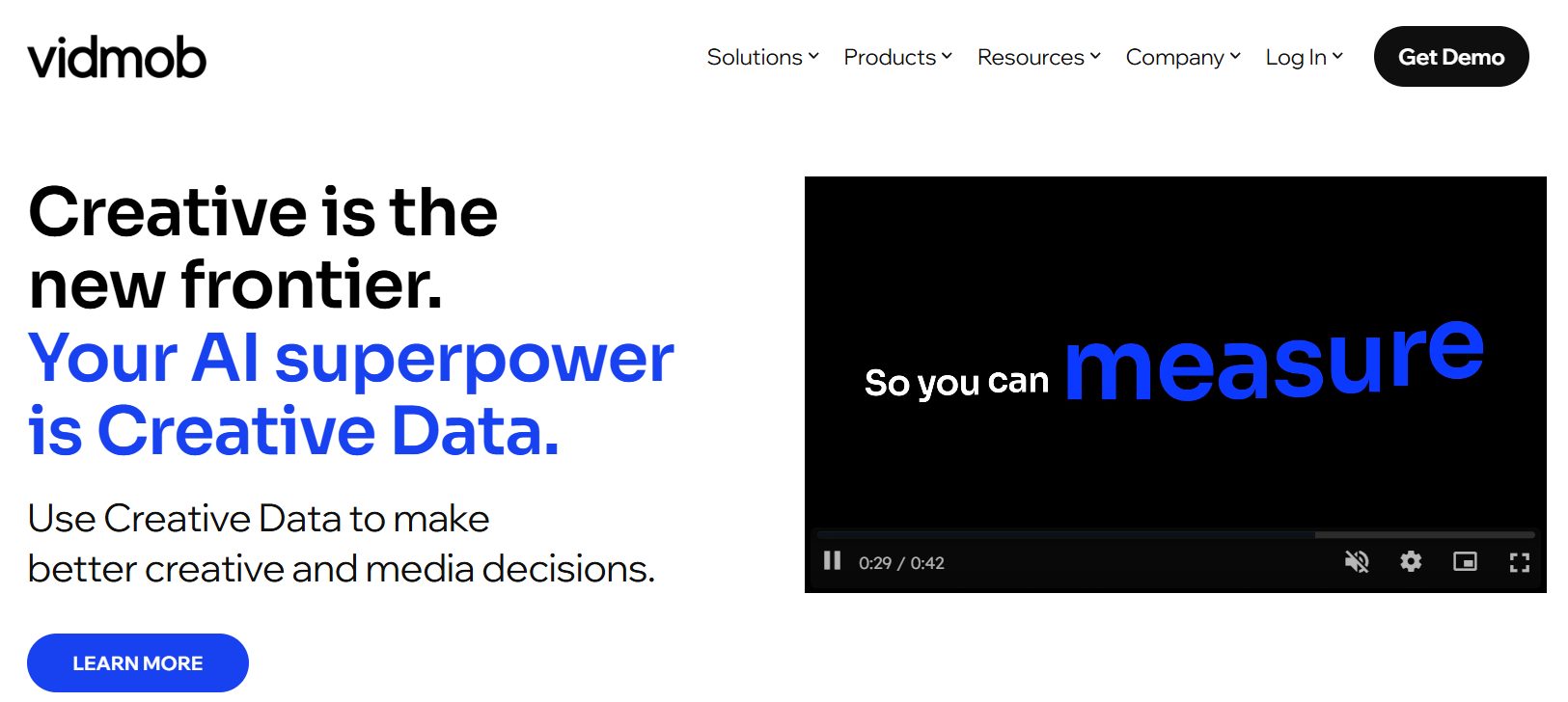
VidMob is an enterprise-level platform built for major global brands and multi-national enterprises. It tracks creative data across every major network, including Meta, TikTok, Google, and Amazon, using highly advanced computer vision to tie specific design elements directly to your business goals.
Key Strength
- Frame-by-frame visual tracking: Utilizes advanced machine learning to isolate and measure the precise impact of tiny visual variables like logo placement, facial expressions, and lighting.
- Enterprise brand governance: Provides automatic compliance filters to guarantee that every single ad running across global regions stays aligned with strict brand guidelines.
- Direct corporate data pipelines: Feeds your asset performance insights cleanly into external business intelligence suites like Tableau or Looker.
Limitations
High enterprise cost entry: The software features a restrictive enterprise price point and requires enormous data baselines, making it impractical for small-to-medium brands.
Best For
Enterprises and global agencies: Designed for massive operations that need to unify brand safety, asset compliance, and data-driven design rules across international teams.
Moving From Raw Creative Data to Actionable Insights
Getting an analytics tool is a great first step, but the real magic happens when you turn those visual charts into practical updates for your campaigns. Think of your creative data as a clear medical diagnosis. The software points out exactly where your ad is hurting, but your design team still has to apply the treatment. If your dashboard shows that your overall return on ad spend is down, you need to look directly at your video retention graphs to find the exact moment people are dropping off.
I always use a simple rule of thumb to fix underperforming ads. If your tool shows that your three-second hook rate is below average, your audience is scrolling past without giving your product a chance. To fix this, you do not need to rewrite your entire script. You just need to replace the first three seconds with brighter colors, faster movement, or a more direct question. If your data shows that your hook rate is high but people leave right in the middle, your pacing is too slow or your presentation is losing focus. Making these specific, structured adjustments is the fastest way to turn a failing ad back into a profitable asset.
FAQs: Tools to Evaluate Creative Performance
Yes, but only for inspiration, not analysis. Free libraries like TikTok Creative Center show you what your competitors are running, but they do not reveal performance data, budget size, or whether those ads are actually making money. Paid creative tools connect directly to your data streams to show the financial results behind the visuals.
No. Think of creative analytics tools as a medical diagnosis. The software will pinpoint the exact spot where your ad is hurting (like identifying a sharp viewer drop-off at second 4), but your human design team still has to apply the treatment by editing the asset.
Creative fatigue happens when your target audience has seen your ad too many times, causing them to tune out and stop clicking. Analysis platforms spot this early by monitoring your data for a sudden, sharp decline in your creative-level ROAS combined with rising customer acquisition costs.
The balance between your Hook Rate (the percentage of people who watch the first 3 seconds) and your Hold Rate (the percentage who stay for 15 seconds). Monitoring this relationship tells you exactly where a video is failing: a high Hook Rate with a low Hold Rate means your opening is great, but your main message is losing people.
They deeply integrate with both. While many creative tools started out focusing heavily on Meta and TikTok, platforms like NestAds, Pencil, and VidMob connect directly to Google. They track assets inside Performance Max groups, measure YouTube viewing patterns, and evaluate display banners alongside your social media ads.