








Getting views on Facebook videos does not always lead to sales. Viewers watch a Reel, like it, and keep scrolling.
Facebook shoppable videos help solve this drop-off. They let viewers tap products directly in the video and purchase without leaving the app. This guide breaks down how shoppable videos work, simple ways to create them, and real examples working in 2026.
What is a Facebook shoppable video?
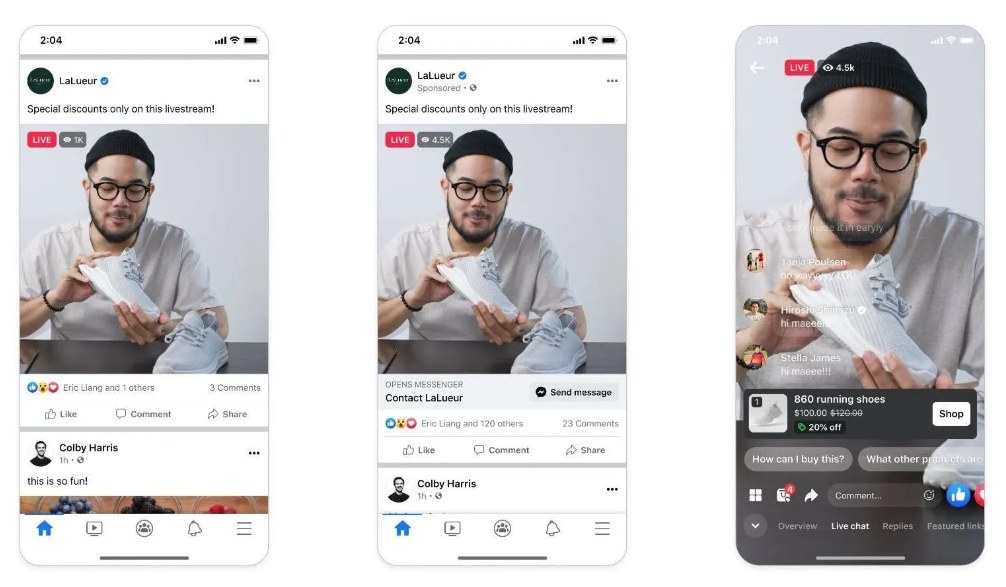
A Facebook shoppable video is a Reel or feed post with interactive product tags embedded into the video.
When viewers watch the video, they see small tags over the items shown on screen. Tapping a tag brings up a product details card with pricing, descriptions, and a purchase button.
Instead of asking people to open a browser and search your website, shoppable videos allow checkout directly inside Facebook. This keeps the buying process fast and direct for anyone watching your content.
Why you should focus on Facebook shoppable videos
Good shoppable content can generate impulse purchases by allowing buyers to tap directly on an item and purchase it within seconds. A lot of hesitation does not have time to set in when the interest is at peak and the buying process is so fast.
Industry findings show that 82% of consumers use social platforms to research products, and 46% complete purchases directly on Facebook. From the buyer’s perspective, setting up shoppable videos provide clear advantages:
- Simpler checkout process: Removing extra steps between finding a product and paying for it helps reduce abandoned carts.
- Capitalizing on visual interest: Viewers are more likely to buy when they see how a product works or looks in action.
- Strong consumer adoption: More and more people are using social media platforms like Facebook to search for products and services, which make shoppable videos convenient for both sides.
- Focused product sets: Meta allows you to group specific items into curated ad sets, making it easier to feature relevant products to the right audience.
Now, let’s see how you can create shoppable videos that actually bring sales on Facebook.
Best tips for creating high-performing Facebook shoppable videos
Here are five key approaches to structure your shoppable videos.
1. Set up a proper Facebook Shop
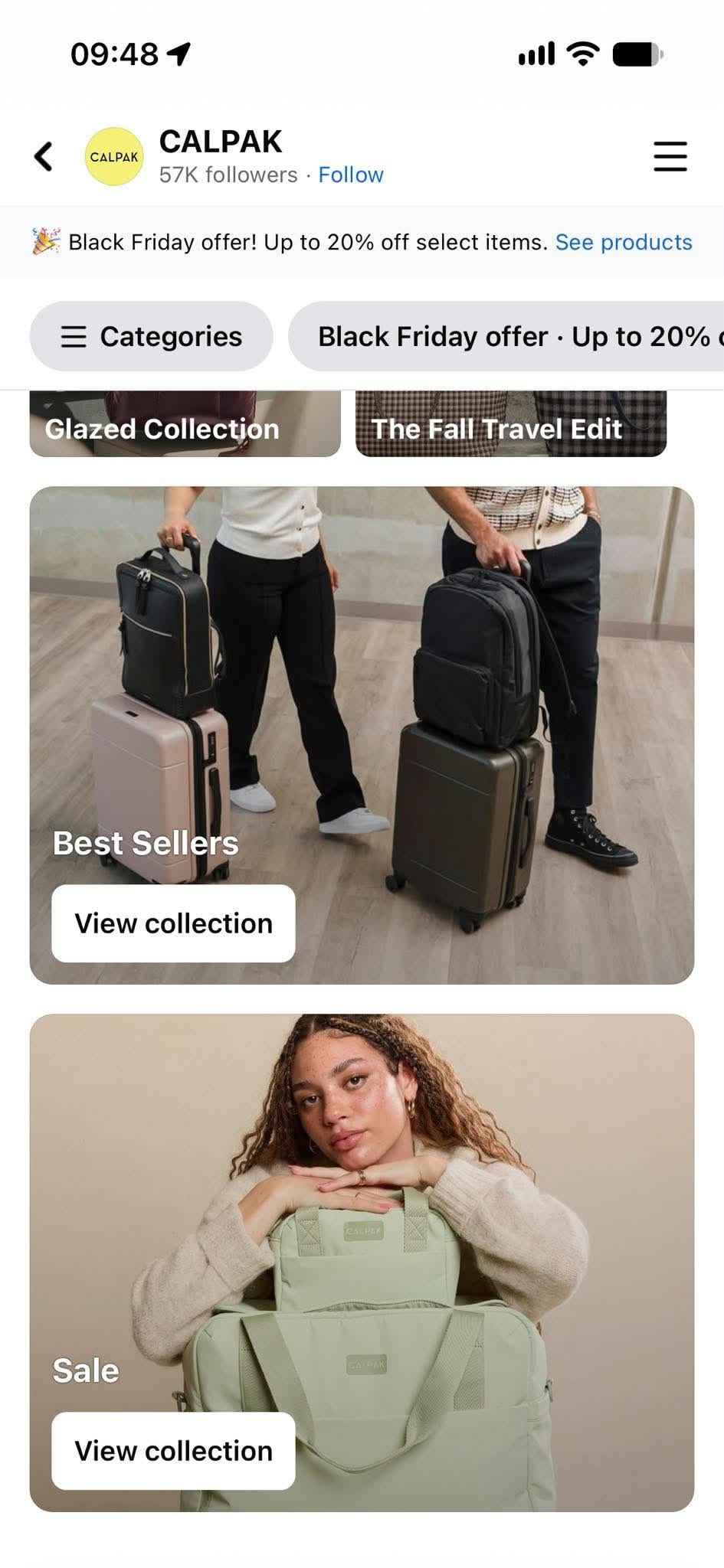
Before you start tagging items, your storefront needs to be ready for visitors. Your Facebook Shop acts as the landing experience whenever someone taps a product tag in your video, so a clean and organized setup makes a big difference.
Take time to connect your business page to Meta Commerce Manager, verify your commerce eligibility, and sync your product catalog accurately. Make sure every listing includes clear product titles, high-resolution photos, current pricing, and transparent shipping and return policies. Viewers who tap on your video get a smooth, reliable social commerce experience that encourages them to follow through with their purchase.
2. Showing the product solving a real problem
Focus on demonstrating how your product helps your customer in their everyday life rather than simply describing its features.
Show the common frustration or need first, and then present your product as the clear fix. When viewers visually connect your item to a practical solution, the product tag feels like a helpful recommendation rather than a sales pitch.
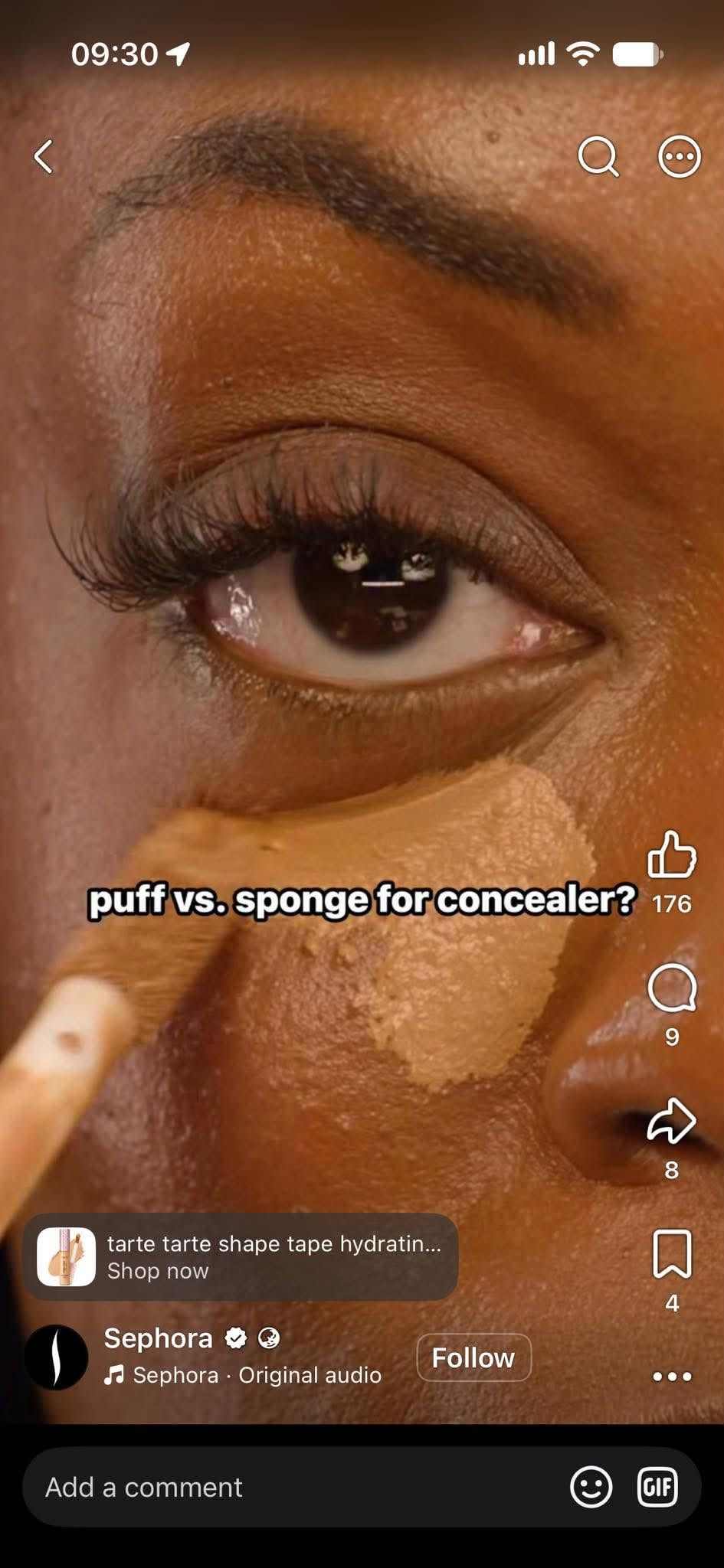
3. Be natural and diversify your content
Posting only direct promotional ads can make your feed feel repetitive, which may lead viewers to tune out.
Keep your audience engaged by mixing up your video styles. Alternate between quick tutorials, behind-the-scenes content, customer stories, and simple tips. When products appear naturally inside informative or entertaining videos, tagging them feels organic and non-intrusive.
Learn more: Content Strategy for Reels on Facebook: A Complete Guide
4. Make use of user-generated content
Content created by real customers carries a high level of credibility. Viewers often trust honest reactions from everyday shoppers more than branded messaging.
Without a doubt, customer reviews and real product photos heavily influence online buying decisions. Re-sharing customer unboxing clips, reviews, or casual demonstrations with tagged products helps build confidence for potential buyers (and also encourage other customers to create UGC). Of course, you should ask for the creator’s permission before using their videos for commercial purpose.
5. Encourage viewers to engage
Facebook’s discovery systems favor videos that generate active discussion, comments, and shares. This means your video should give the viewers any reason to engage beyond just watch and scroll.
You can ask a simple question or add call-to-actions in the caption. You might ask viewers to vote on their favorite color or share their thoughts in the comments. Higher interaction signals to the algorithm that your content is interesting, expanding its reach to new potential customers.

Common mistakes to avoid with Facebook shoppable videos
Even with a solid strategy, a few simple missteps can lower your conversion rate. Here are common mistakes to watch out for when creating shoppable content:
- Overcrowd your video with too many tags: Tagging too many items in a single short clip creates visual clutter on mobile screens. Stick to one or two featured products so viewers know where to focus.
- Viewers who watch on mute: Many Facebook users watch videos with the sound turned off. If your video relies entirely on voiceover without captions or clear visual cues, some viewers will miss your product benefits.
- Mismatched product tags: Many problems can occur from the product you tag, from unclear name, missing prices, or out-of-stock status. Make sure your catalog items are relevant, accurate, and easy to view on a mobile device.
FAQs about Facebook shoppable video
Yes. According to statistics from Hostinger, 46% of social buyers complete purchases on Facebook. Integrated payment tools make checking out in the app simple and secure.
No. Facebook distributes video content based on viewer interest and engagement levels rather than page follower count alone. A well-structured video with clear value can reach interested buyers even if your account is relatively new.
Yes. You can tag products in organic posts and Reels for free to engage your current audience. When you want to reach broader audiences, you can also run paid ad campaigns using the same tagged video formats.