







Social media has become one of the best places for small brands and creators to find new customers. Online shopping keeps growing steadily every year, with U.S. retail ecommerce sales reached $347.3 billion in the third quarter of 2026 alone.
Major platforms are also moving in different directions towards social commerce. At the same time, a broader set of buyer habits is shaping what works across every channel. Understanding both sides helps solopreneurs, small business owners, social media managers, and creators spend their time on tactics that actually bring in orders.
In this guide, we will look at major trends happening across all platforms and how you can put them to work in your own marketing plan.
How major platforms handle social commerce in 2027
Before you decide what kind of videos or posts to make, it helps to see how the biggest apps are handling checkout and advertisement:
TikTok leans into in-app checkout and affiliate sellers
TikTok has built an all-in-one shopping marketplace right inside its app. Through TikTok shoppable videos, someone can watch a product demonstration, read reviews from past buyers, tap the product tag on their screen, and pay without ever opening a web browser.
In its official expansion updates, TikTok highlights how quickly this discovery-driven shopping model has grown as hundreds of thousands of businesses join the platform. For your marketing, TikTok works best when your product is easy to understand in a quick video and priced low enough that someone feels comfortable buying it on the spot.
YouTube connects product shelves to creators and search
Rather than keeping buyers inside a closed in-app cart, YouTube places clickable product shelves directly beneath tutorials, reviews, and Shorts, sending viewers straight to a store’s website to check out.
In August 2026, Youtube expanded its Shopping Affiliate Program so eligible U.S. creators can tag Amazon products directly inside their videos and livestreams. People often visit YouTube when they are actively researching what to buy next, so pairing a helpful product walkthrough with a clear product shelf captures shoppers right when they are ready to make a decision.
Facebook and Instagram shift focus back to website checkout and ads
Meta took a very different path from TikTok. After previously testing mandatory in-app checkout for U.S. businesses, Meta moved Facebook and Instagram Shops back toward website checkout so merchants complete sales on their own online stores, a change outlined in merchant updates from BigCommerce.
Shoppers still discover your products through Instagram Reels, Facebook posts, and targeted ads, and then they tap through to a pre-filled cart on your mobile website. Finishing the order on your own site lets you offer product bundles, collect customer email addresses for future follow-ups, and keep full control over your branding.
5 major social commerce trends in 2027 across all platforms
Even though each platform handles checkout in its own way, customer behavior has some common, important shifts:
1. Short-form videos become the main way people discover products
Short-form videos on TikTok, Instagram Reels, and YouTube Shorts have become the main way shoppers stumble across new brands. Instead of browsing static catalog pages on a website, people scroll through short clips to see how products look, fit, and work in everyday life.
Viewing habits show just how massive this format has become, with YouTube Shorts averages 200 billion daily views. For a small brand or creator, short videos work because they take the guesswork out of online shopping. Showing someone wearing a jacket outdoors or cleaning a kitchen counter in 20 seconds answers practical questions about size, texture, and quality far better than any advertisment ever could.
2. Social platforms act as everyday product search engines
Shoppers now routinely open social apps before traditional search engines when they want to research an item. Typing a phrase like “best carry-on bag for weekend trips” or “easy weeknight air fryer recipes” into TikTok, YouTube, or Instagram brings up real people testing products on camera.
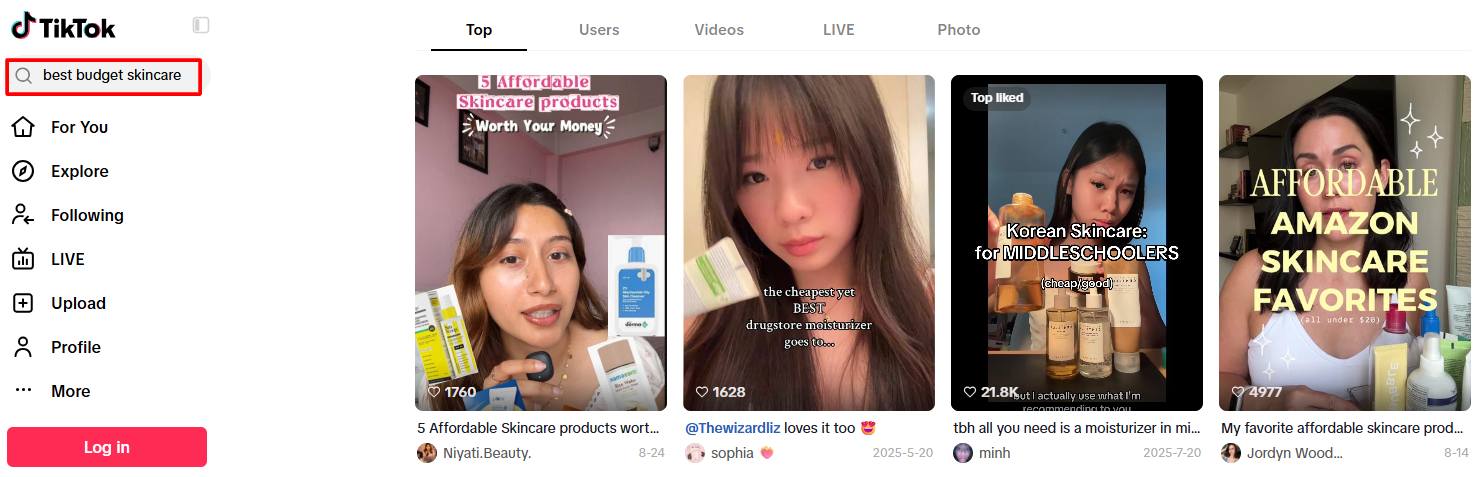
These social platforms often provide real reviews and shoppable content. Since Google search are dominated by big brands having the budget to optimize SEO, customers feel they are being given the obvious, boring answer. Social media, on the other hand, let them discover hundreds of brands and reviews simultaneously.
3. UGC content is a must
As we mentioned, the reason why social commerce becomes so popular is because people prefer relatable, entertaining content. Instead of being a passive searcher; users can engage with millions of creators and brands on their chosen platforms.
Encouraging UGC (user-generated content) is now a crucial marketing strategy for small businesses. Seeing an ordinary customer unbox a package, test a product at home, or share an honest pros-and-cons review removes doubt and makes a purchase feel safe.
For creators, this trend provide so many opportunities to partner with brands.
Major platforms have built tools to make this setup simple for smaller teams. Youtube introduced custom affiliate campaigns that allow brands to offer tailored commission rates and bonuses to creators, alongside automatic international links for global shoppers. TikTok Shop also have affiliate programs for both brands and creators. Now, influencer marketing and UGC is part of business evaluation, not a choice.

4. Visual search lets shoppers buy directly from photos and videos
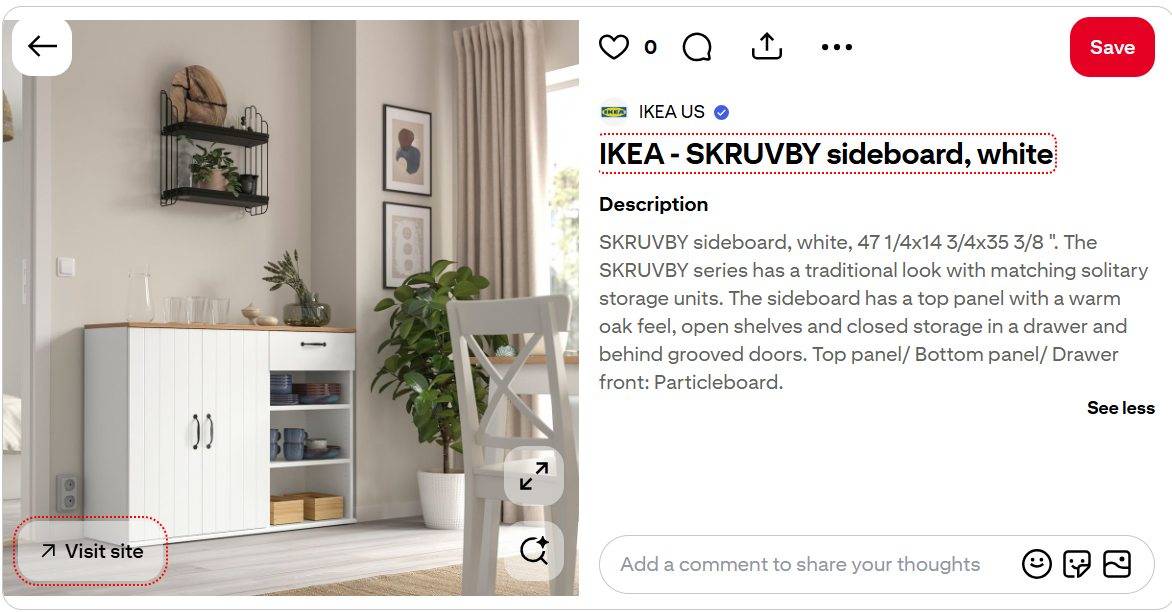
Shoppers often spot an item they love inside a photo or video without knowing the brand name or what words to type into a search bar. Visual search features solve that problem by letting people tap an object on their screen to find and buy matching items right away.
In September 2026, Pinterest launched Visual Search Ads, allowing brands to place shoppable product matches directly inside visual search results when someone taps an item in a Pin. TikTok and Instagram offer similar screen-tap product matching tools.
5. Broadcast channels and DMs drive repeat customer orders
Winning a first order from a new customer takes plenty of time and effort, so bringing past buyers back is what keeps a small business profitable. Because public social feeds are crowded with posts from accounts people do not even follow, marketers are moving repeat customer updates into direct messaging channels.
Tools like Instagram Broadcast Channels and WhatsApp Business updates let you send messages directly to followers who choose to join your list. Instead of hoping the main feed algorithm shows your post to past customers, you can send a quick restock alert, a short voice note explaining a new product, or an early-access link straight to their inbox.
Those messages feel personal and reach your warmest audience without extra ad spend.
How to stay ahead with social commerce in 2027
Keeping up with new platform features can feel overwhelming when you are already running a store or managing multiple accounts. The good news is that staying ahead in 2027 comes down to building a few repeatable habits rather than chasing every shiny update.
Master one main platform before expanding
Spreading your time across four or five social apps usually leaves every channel half-finished. Pick the single platform where your ideal buyers already spend time and match your setup to how that app sells best. Once your product tags, videos, and checkout flow bring in steady orders on one channel, you can easily repurpose your top clips for a second app.
Turn your best organic posts into small paid campaigns
Instead of guessing which product ad will work, let your organic audience test your ideas for free first. Post two or three short demonstration videos each week and watch which one gets the most saves, questions, and orders. Putting even a small daily ad budget behind a video that already converts naturally lowers your ad costs and brings in warmer buyers.
Connect social buyers to your own email and SMS lists
Social media algorithms change constantly, so relying on social platforms alone leaves your business exposed. Use your website checkout, post-purchase inserts, or a simple discount offer inside your direct messages to invite social shoppers onto your email or SMS list. Owning that direct line lets you bring repeat customers back whenever you launch a new item without paying for the same click twice.
Track real social commerce ROI
A video with 50,000 views means very little if nobody clicks your product tag or completes a purchase. Make a habit of checking your weekly store conversions, unique creator promo codes, and direct message inquiries alongside your social analytics. Focusing on the posts that actually move inventory keeps your marketing grounded and profitable all year long.
FAQs about social commerce trends
The biggest shifts include shoppers using social apps as product search engines and discovering items through short videos.
TikTok Shop works well if you sell affordable, easy-to-understand items under $50 and want built-in discovery without a large following. If you sell higher-priced products over $100 or already have an engaged audience, YouTube or Instagram will usually convert better for your business.
Yes, an online store remains essential because it serves as your central inventory hub that syncs product details to YouTube, Instagram, and Facebook. Your website also protects your brand and customer email list if a social platform changes its rules or algorithm overnight.
Instead of paying high flat fees for a single sponsored post, you can list your products in affiliate programs on TikTok Shop or YouTube Shopping. This setup lets creators earn a commission only when their videos bring in a verified sale.