







 Ecommerce News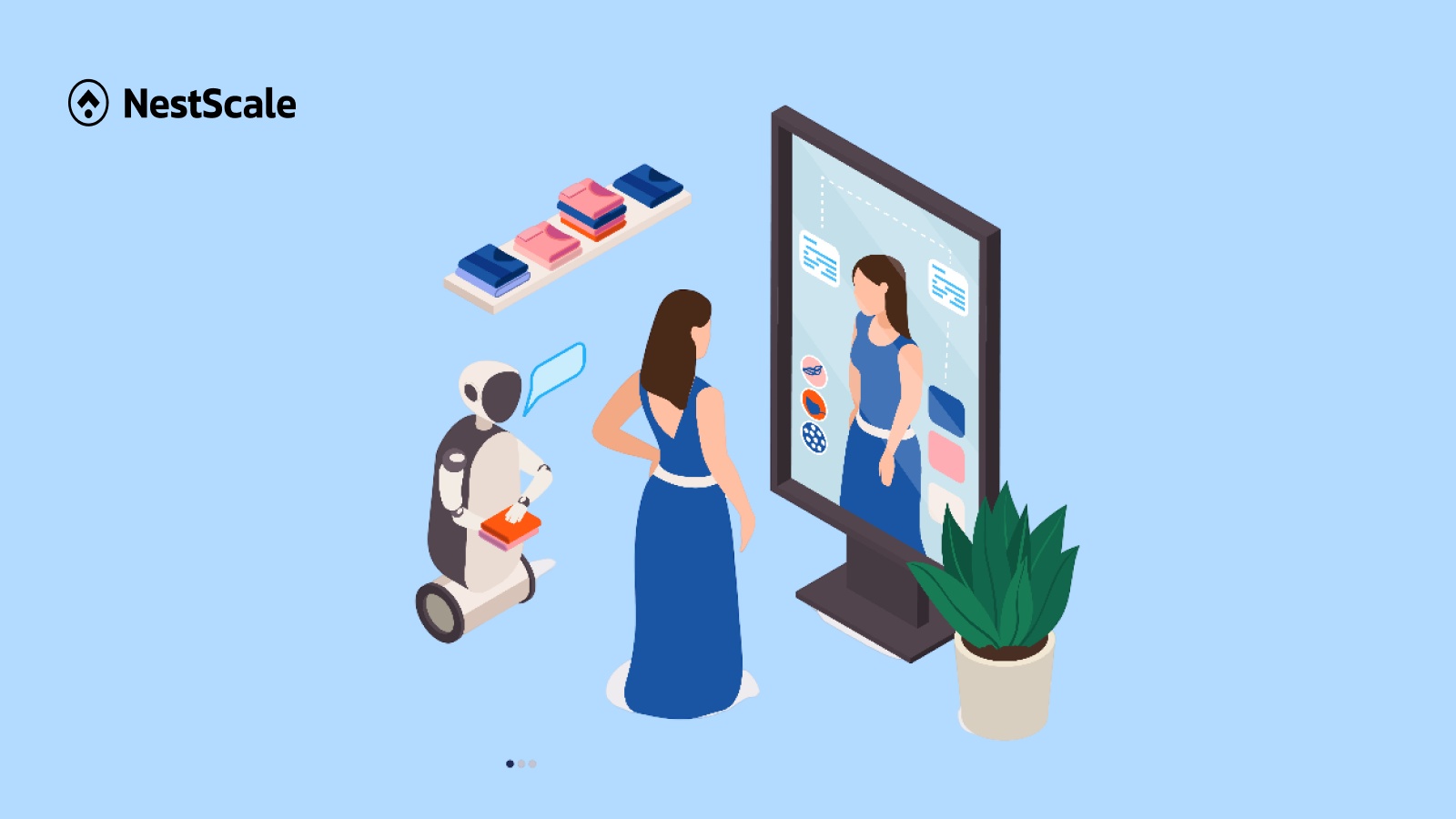
If you look at recent data, the numbers are clear. According to a landmark study by McKinsey & Company, 68% of US consumers report using at least one AI tool regularly. More importantly, nearly one in five shoppers use these tools specifically to discover or decide on brands and products.
I have analyzed the latest shifts in consumer behavior to show you exactly how everyday buyers use AI tools for shopping. By understanding these habits, you can optimize your store to stay visible and competitive.
1. What is AI shopping?
AI shopping means consumers use automated software to find, filter, and purchase products online without manually browsing multiple websites.
Instead of opening ten different tabs to compare prices or read descriptions, the buyer gives a specific request to an AI tool.
When I look at why consumers prefer this method, it comes down to three practical advantages.
- Time Saving: Shoppers can get product recommendations and make informed decisions in seconds.
- Smart Budgeting: Automated tools track price histories across different platforms to compare and find the most affordable price.
- Personalized Matches: Buyers receive exact product recommendations based on their specific constraints or preferences.
2. Core AI tools used for shopping
To keep your ecommerce store visible, you must understand the platforms your customers are actively using to gather information.
Buyers are moving away from traditional search engines and are using dedicated AI ecosystems instead.
2.1. ChatGPT & other AI search engines
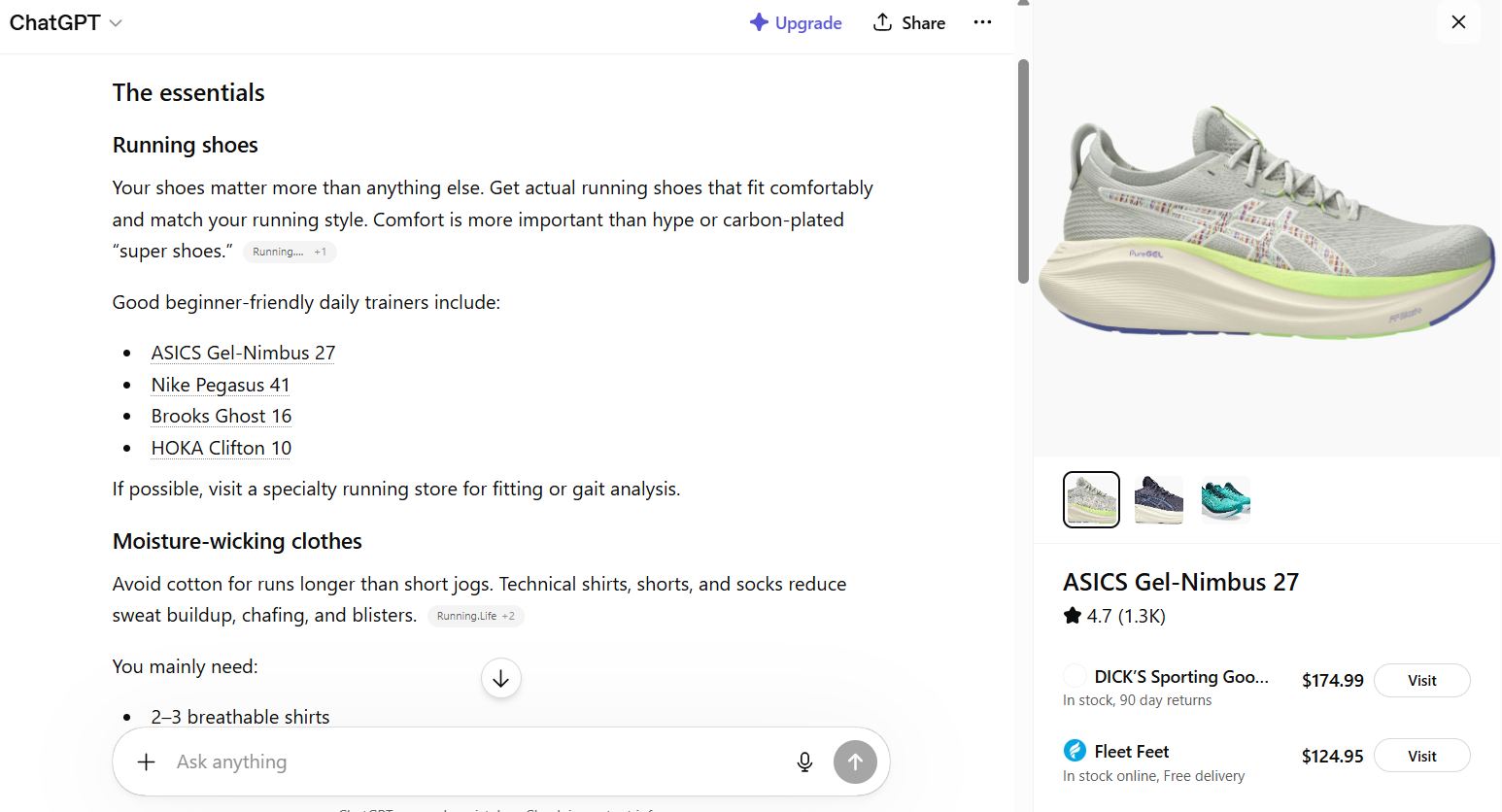
Many consumers now use ChatGPT as a primary research tool. OpenAI has updated its models to conduct deep web research, which means the AI actively scans product descriptions, user forums, and technical specifications simultaneously.
Data from Shopify shows that referral traffic from AI engines to online stores grew more than 8 times year over year. If your product pages lack clear, structured details, ChatGPT will simply skip your store when it generates options for a user.
2.2. Chatbots
A chatbot is an automated messaging program built directly into an ecommerce website or marketplace. It serves as an on-screen customer service tool by responding to user text inputs or button selections.
These tools help shoppers navigate a store by instantly answering basic inquiries. Buyers use them to check order statuses, look up return policies, and find direct answers to common product FAQs without waiting for a human representative.
Additionally, chatbots assist with basic on-site navigation by providing links to specific category pages or product listings based on what the user types.
The main limitation of chatbots is that they are reactive, isolated to a single website, and incapable of processing context or intent. They are great at handling common queries, but can be stiff when it comes to specific product-related questions.
Relevant reading: AI Agent vs Chatbot: Key Differences You Need to Know
2.3. AI Sales Agents
Shoppers are increasingly trusting specialized AI sales agents that operate across different apps and platforms. These agents do not rely on pre-written scripts. They are proactive AI systems that can understand consumer needs and provide contextual answers.
An AI sales agent can pull live pricing, tracking information, and product configurations from multiple independent merchant sites at the same time. This allows the shopper to manage their product discovery from a single interface, significantly reducing the amount of time they spend visiting individual store homepages.
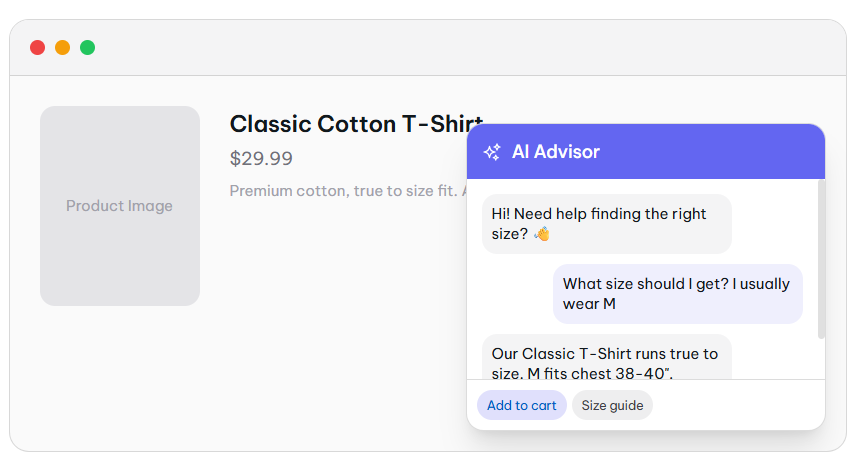
AI agents can significantly improve customer experience and drive more sales, thanks to real-time customer support.
3. How are people using AI for shopping?
Understanding the tools is helpful, but you also need to know the exact methods shoppers use to find and buy items.
Here is how modern online shopping actually operates.
3.1. Find and compare products
Instead of guessing which keywords will bring up the right search results, shoppers now explain their exact needs using long sentences.
They expect the AI to give them specific, personalized product recommendations.
Here are two examples of actual consumer queries used today:
“Find me a durable winter jacket under $120 that is good for heavy rain and has inside pockets.”
“Compare the top three cordless vacuums.”
As you can see, customers give AI their budget and preferences. This shows the main reason why shoppers are using AI: it solves their problems, not the general consumer’s problems.
3.2. Make a list of gift ideas
Gift shopping used to involve scrolling through generic holiday catalog pages. Now, consumers use AI to generate highly personalized recommendations based on detailed descriptions of a person’s specific hobbies, living situation, and personal style.
This behavioral shift helps users discover unique items from smaller, independent ecommerce brands that they would have never found through traditional keyword searches.
3.3. Track pricing and hunt for discounts
Shoppers have always been searching coupon blogs for active discount codes or refreshing a page to see if an item went on sale. Now, they rely on AI software to find good deals and save their money.
Buyers simply ask a shopping chatbot a direct question, such as “Are there any active promos or free shipping codes for this item right now?” The tool scans the store’s current promotions instantly and applies the best valid code to the cart without the user hunting for it.’
AI tools have made price comparison and discount hunting much more transparent. Not only that, I think it can directly affect their decision at checkout.
3.4. Visualizing products prior to purchase
Consumers are changing how they evaluate items that require a physical or spatial match. In the apparel sector, buyers use AI tools to view products on digital models that share their exact height, weight, and body type.
For home goods, buyers use their smartphone cameras to place three-dimensional product models directly into their actual living spaces. This behavior allows them to verify dimensions, color matching, and room layouts before placing an order, which significantly reduces return rates for online merchants.
4. The future of AI for shopping
The next phase of ecommerce is moving rapidly toward completely autonomous transactions, driven by heavy feature updates from the world’s largest AI engine providers.
For example, OpenAI has significantly expanded its autonomous capabilities through its AI Shopping Assistant.
At the same time, Google has allowed its Gemini chat box to appear as a sidebar. Buyers open Gemini as they browse on any online store, and Gemini will directly read the content from that store, giving customers advise on their decisions.
As a small or medium-sized merchant, this means your future marketing strategy must focus heavily on formatting. If your store data is structured cleanly using standardized schema layouts, these autonomous systems from OpenAI, Google, and Anthropic will easily find, read, and purchase your products.
5. FAQs: AI for shopping
AI shopping is the use of artificial intelligence tools to automate and customize the online buying process. It shifts the consumer experience from manual browsing to data-driven, tailored product discovery.
There isn’t a single “best” AI, as it depends on your needs. For general product research and comparison, ChatGPT or Google Gemini are great. For specific brands, you should use their in-store AI agents.
AI powers online shopping behind the scenes and at the storefront in several ways:
– Personalized Recommendations: Curating product feeds based on your browsing history.
– AI Chatbots: Providing 24/7 customer service and tracking orders.
– Visual Search: Allowing you to upload a photo to find identical or similar items.
– Dynamic Pricing: Shifting prices in real-time based on demand and competitor rates.
Generally, yes, but be careful which information you share. Sharing preferences and budgets is low-risk and necessary for tailored recommendations. However, currently, it isn’t safe to provide sensitive financial data like bank account details or social security numbers.